- Spice
- 山椒
Sansho
Numbs instead of burning.
Flavor profile
The strengths are editorial judgments on a scale within the family, not measurements. They can be compared across the spices and yakumi varieties, not directly against another family.
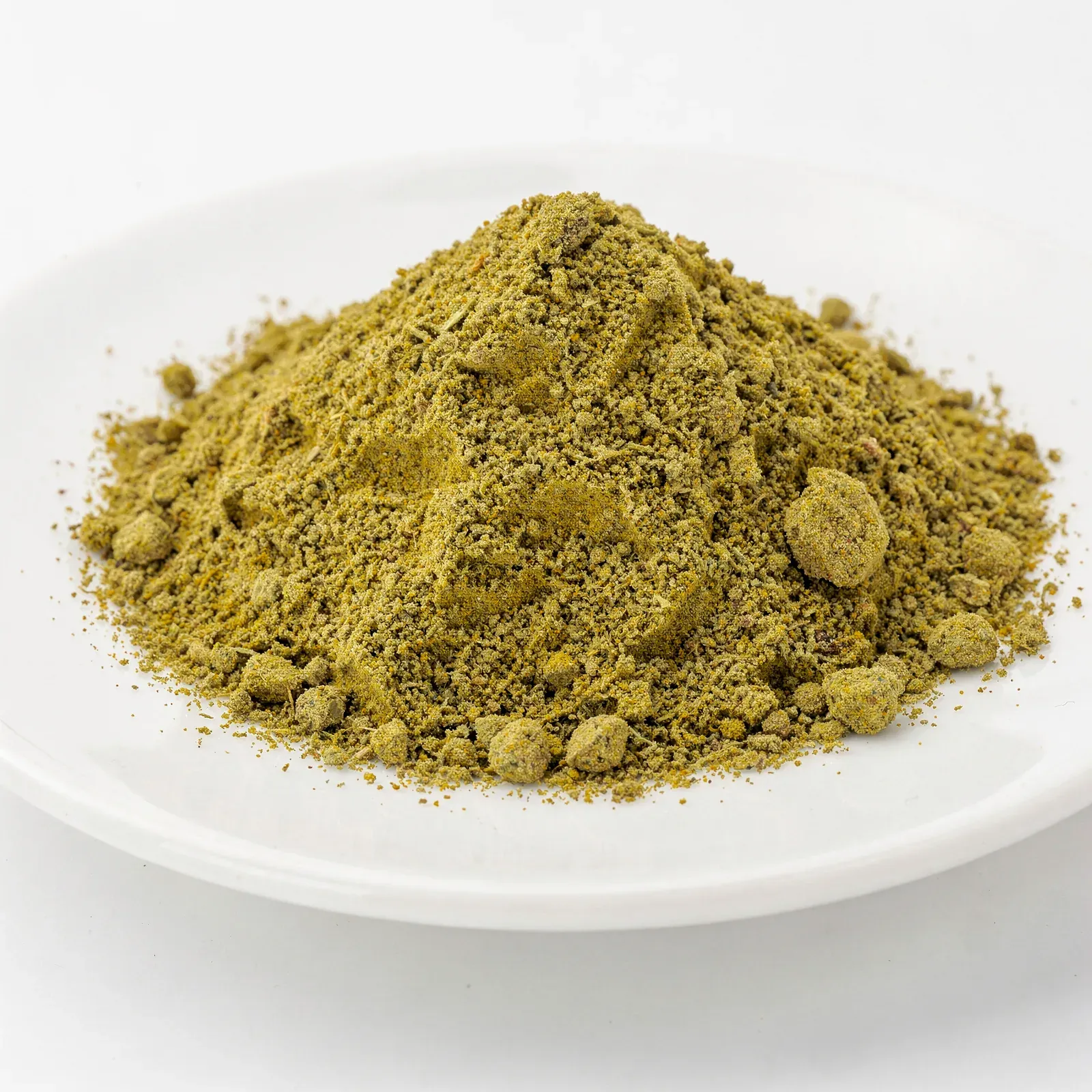
Sansho does not burn, it numbs. The compound is called sanshool and produces a tingling, almost electric sensation on the lips and tongue that is nothing like chili, and on top of that sits a clear citrus aroma. That is no accident: sansho belongs to the same plant family as the citrus fruits. The classic use is over grilled eel, where it cuts through the fat, and it is one of the seven spices in shichimi.
Sensory analysis
Pyramid and character
Aroma
from the jar
- citrus peel
- pine needles
- pepper
Taste
on the tongue
- tingle
- citrus
- faint heat
Finish
what lingers
- tingling
- long
- fresh
Character 0-100 per axis, set relative to the other entries in the same family. An editorial judgment of a typical serving, not measurements.
Background
Facts
- Kinship
- Zanthoxylum piperitum, in the family Rutaceae, the same family as citrus and rue; a relative of Chinese Sichuan pepper but a different species
- The compound
- sanshool, which gives a tingle that grows into numbness instead of heat; capsaicin in chili does the opposite
- Parts
- the ripe fruit husk is ground into kona-zansho; the young leaves are called kinome and are used whole as garnish; the unripe green berries are called ao-zansho
- Use
- kabayaki, that is grilled eel, is the classic pairing, and the spice often comes tucked into the package; it also goes into shichimi
- Cultivation
- Wakayama accounts for about 80 percent of Japanese production; the thornless variety asakura-zansho is the most common in cultivation
At the table
Use
- Dosage
- a pinch is enough, because the numbness builds quickly
- Timing
- sprinkled on finished food; it takes heat better than wasabi, but the citrus aroma fades in a simmering pot
- Note
- ground sansho loses both aroma and numbing power within months, so an old jar mostly tastes of wood
Keep exploring
Related in the Zukan
- Spices and yakumiFamily
- SudachiCitrus fruit
- Shichimi togarashiSpice
- Ichimi togarashiSpice
- WasabiSpice
Evidence
Sources
- Zanthoxylum piperitum (Wikipedia) (retrieved 2026-08-12)
- Shichimi (Wikipedia) (retrieved 2026-08-12)
Compiled by Basim Ali Yoshiguchi. . .