Zukan (図鑑), Nekko's encyclopedia
Ingredient Guide
Japanese cooking, one ingredient at a time.
A curated encyclopedia of Japanese food culture: the families, the varieties, the places and the concepts. Every entry shows its sources, with the uncertain spelled out rather than smoothed over. Flavor profiles and character charts are editorial judgments, not measurements.
Browse
Families
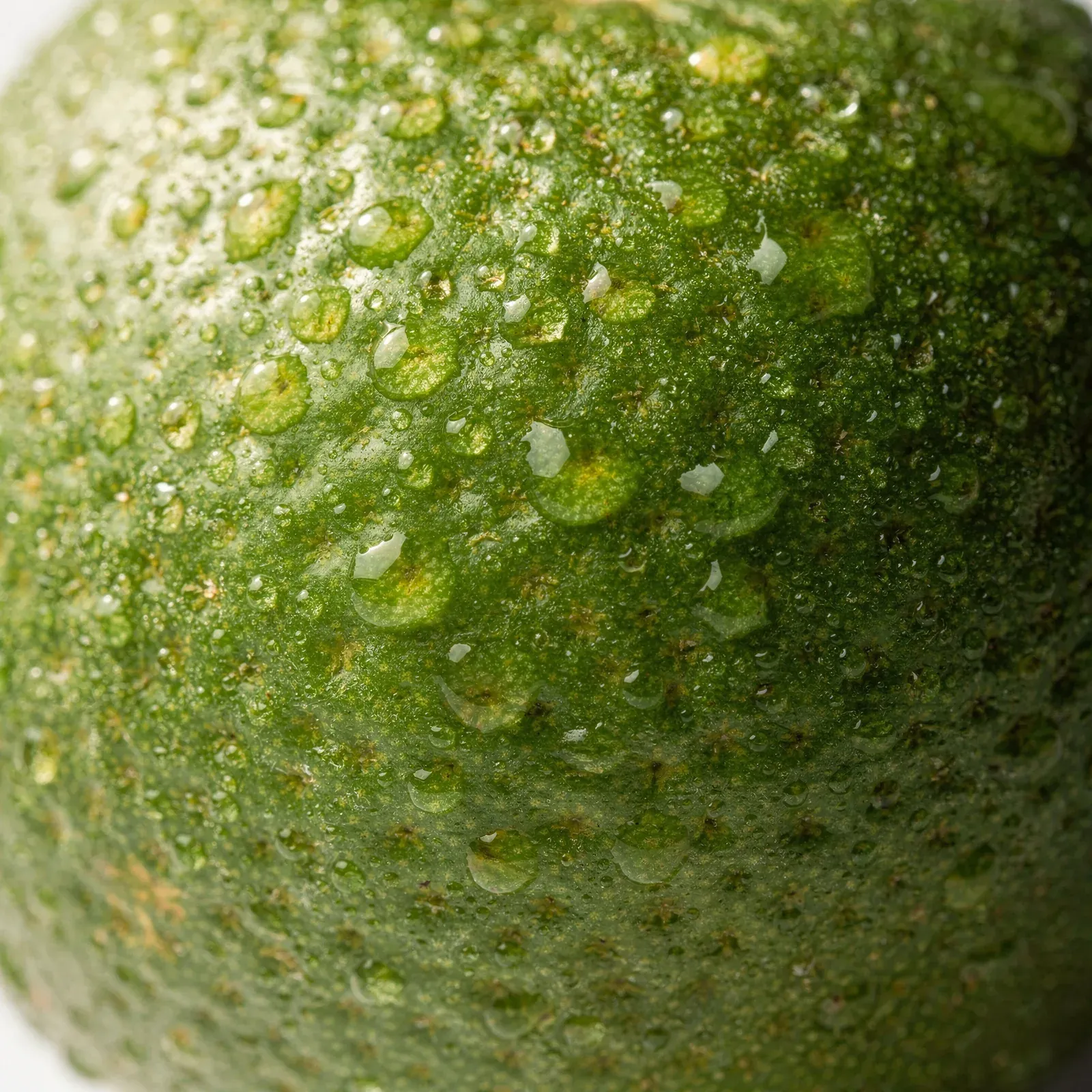 CitrusSqueezed over the food, never peeled and eaten.5 varieties
 Dashi ingredientsDried, and flavorful for exactly that reason.7 varieties
 FurikakeThe sprinkle that turns rice into a meal.7 varieties
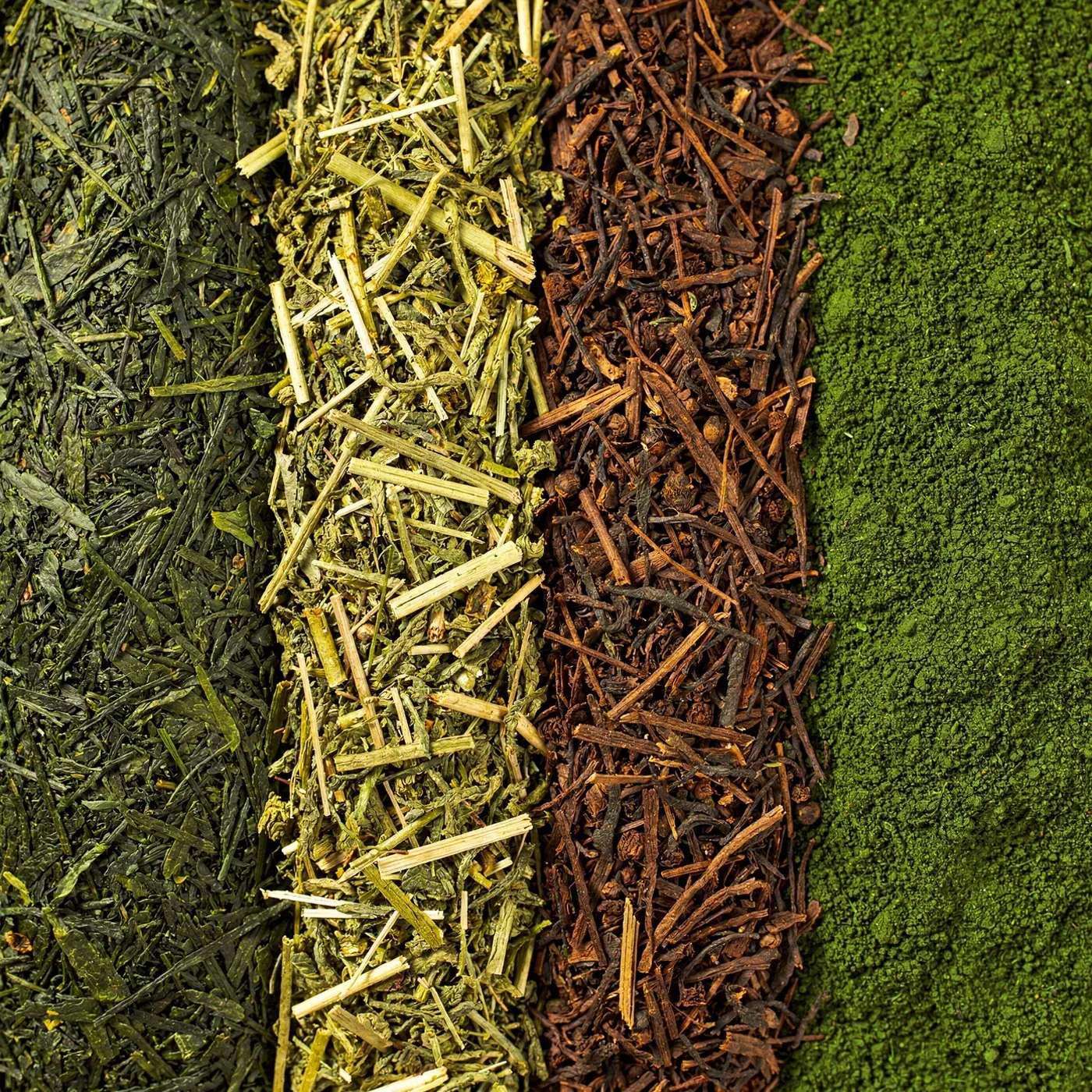 Green teaThe family where the leaf is never allowed to oxidize.11 varieties
 MisoSoybeans, salt and time.6 varieties
 Seaweed and kelpUmami grown in the sea.7 varieties
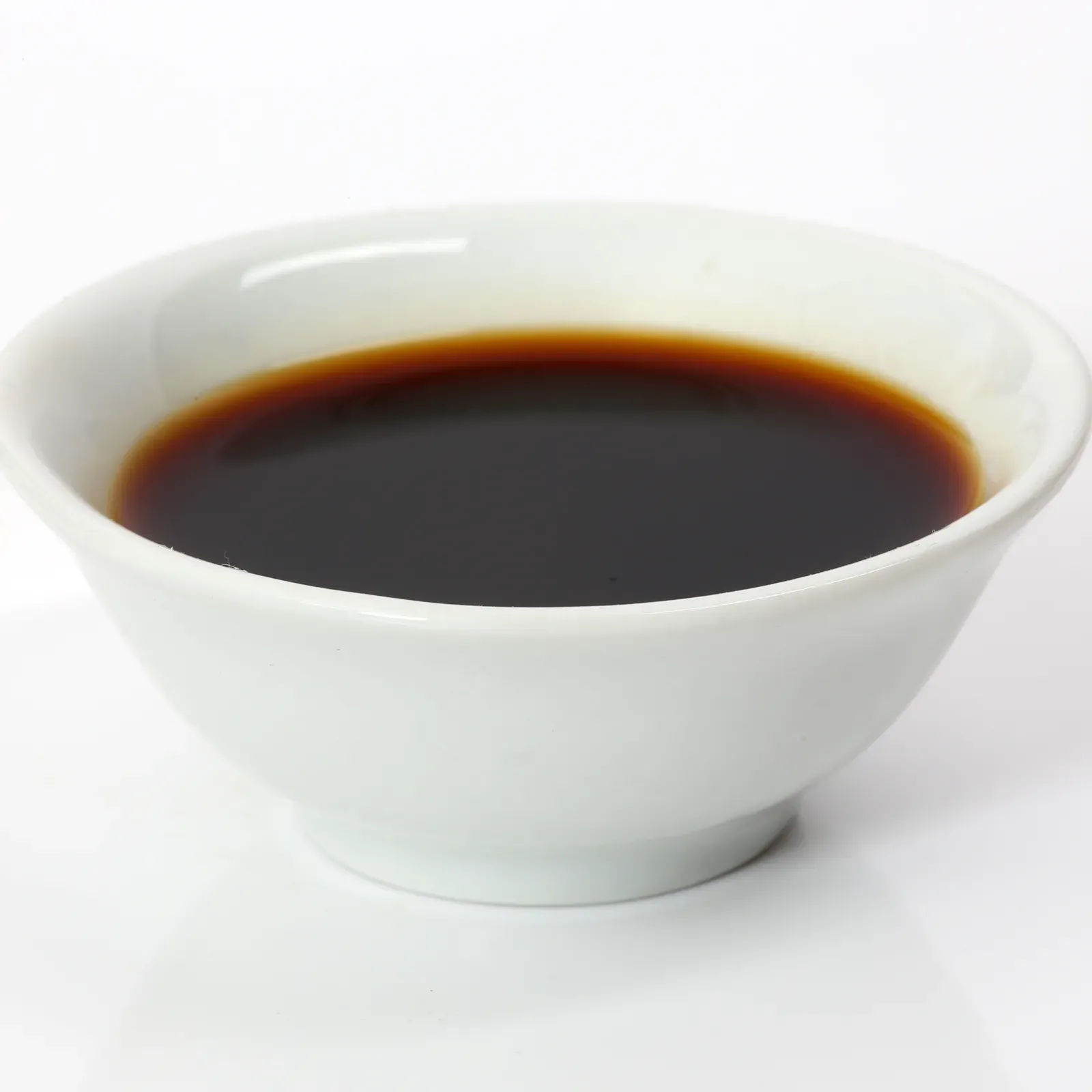 Soy sauceFive types, a brewery in every bottle.5 varieties
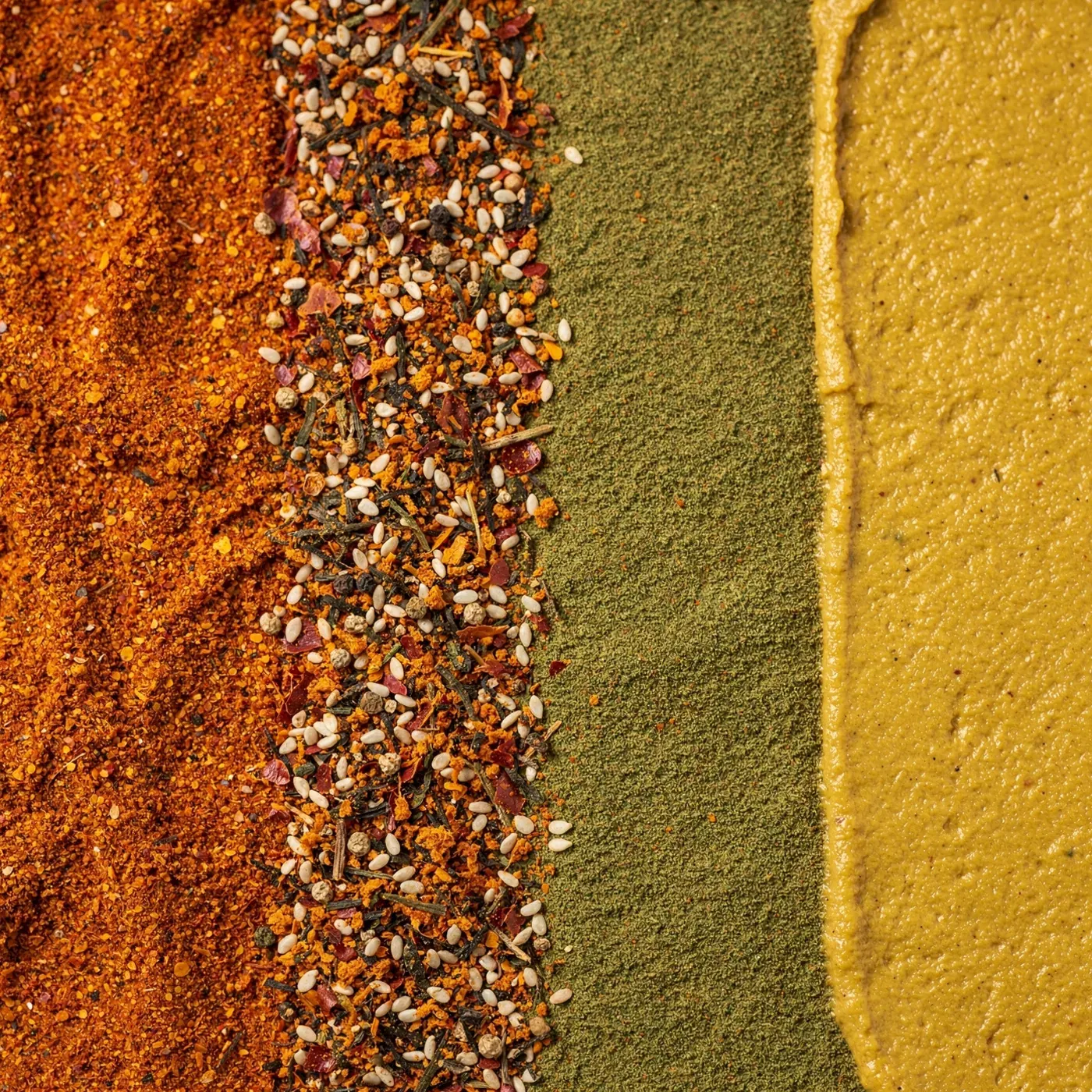 Spices and yakumiThe heat is not in the same place.6 varieties
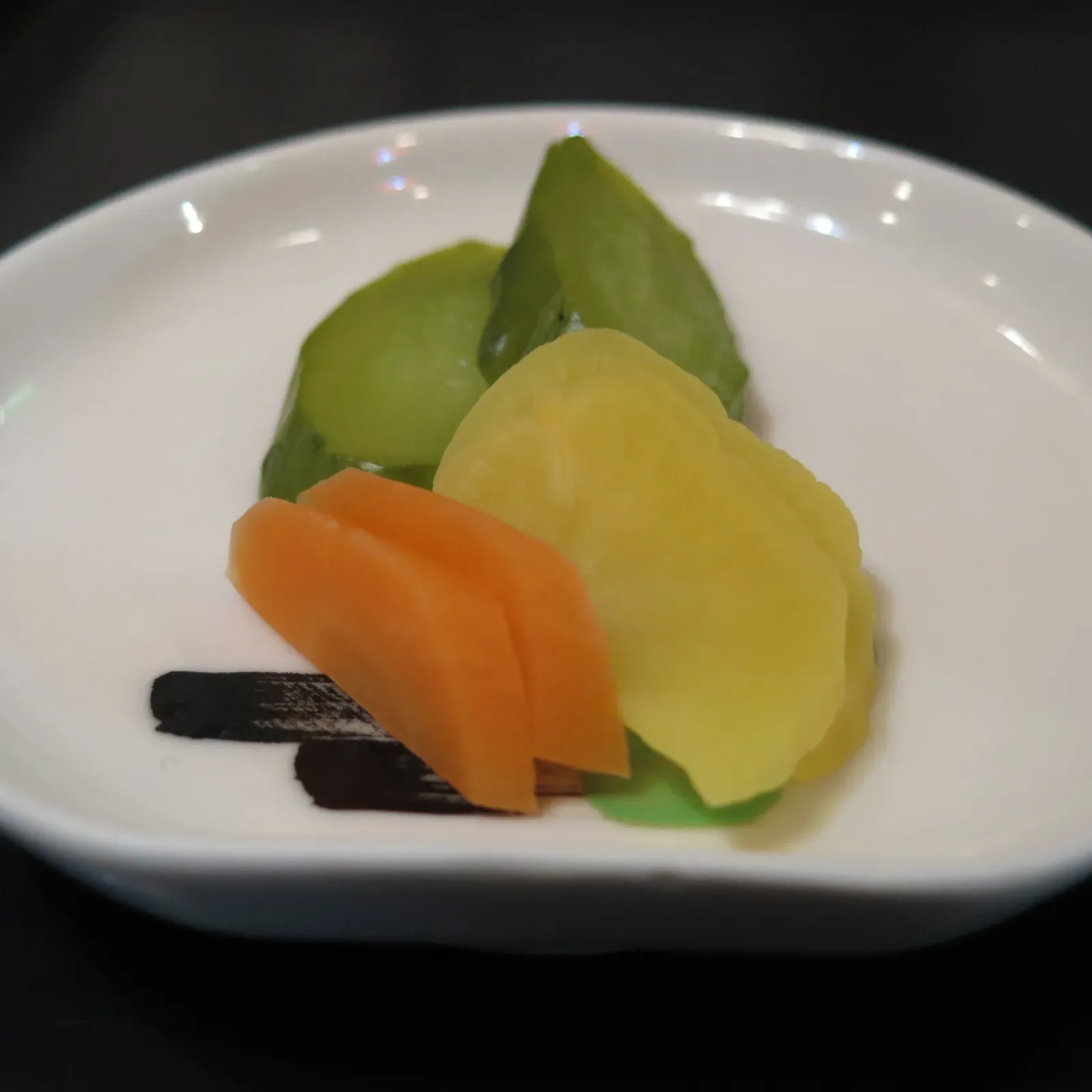 TsukemonoThe small dish that ends the meal.7 varieties
Reference
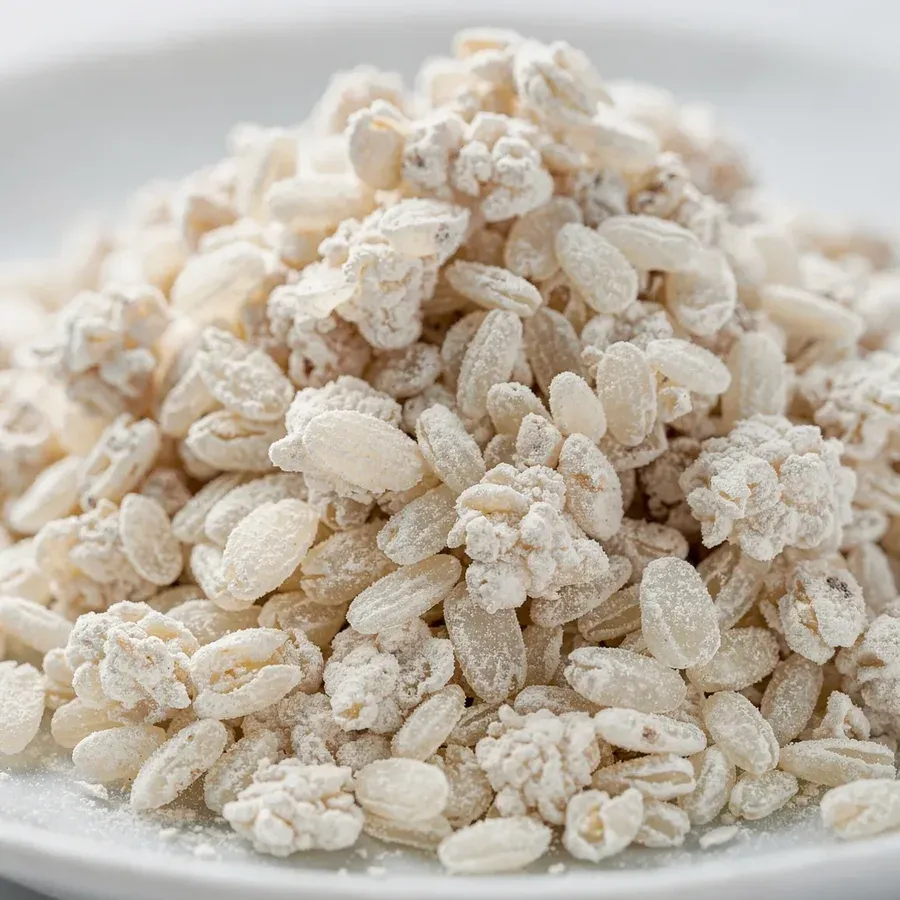
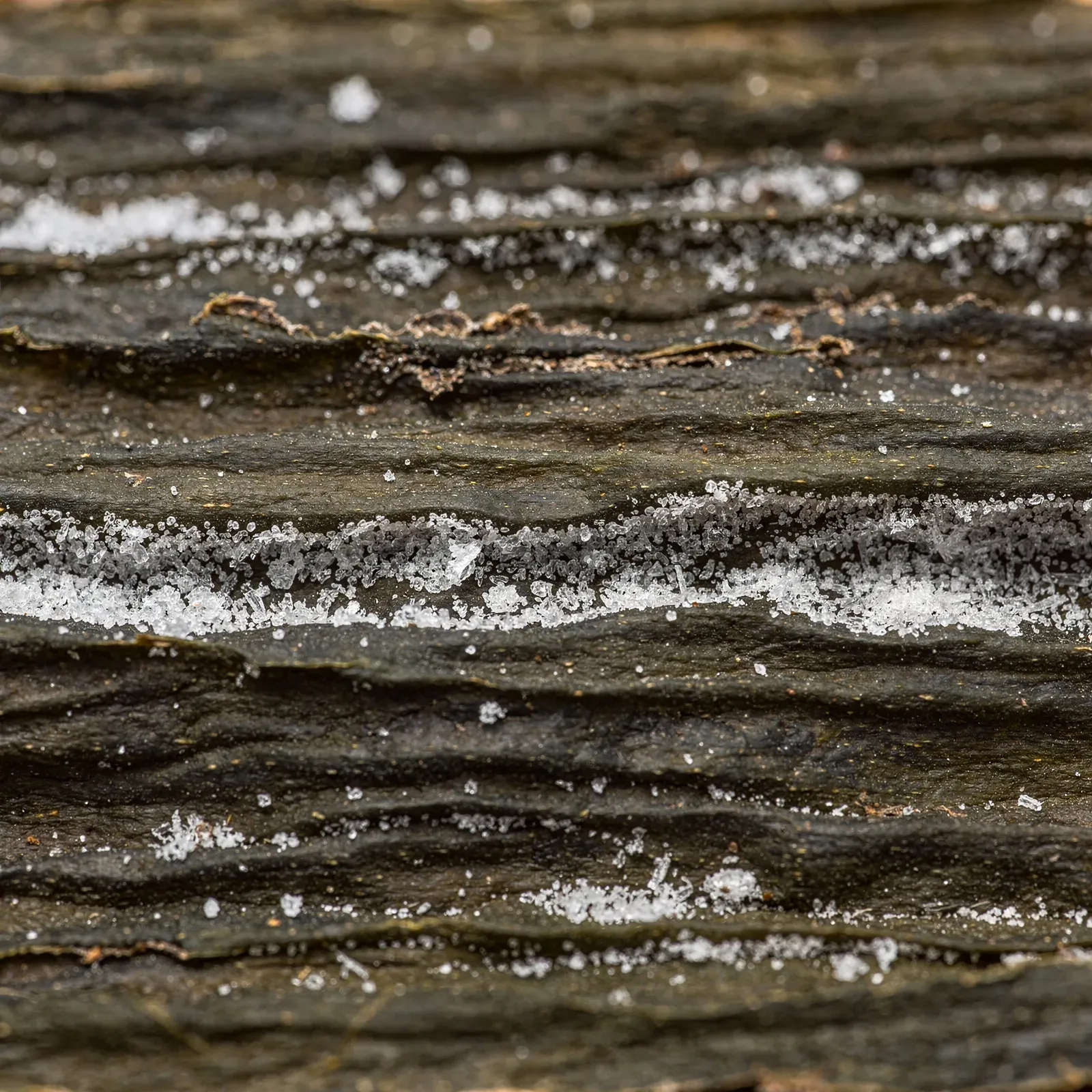
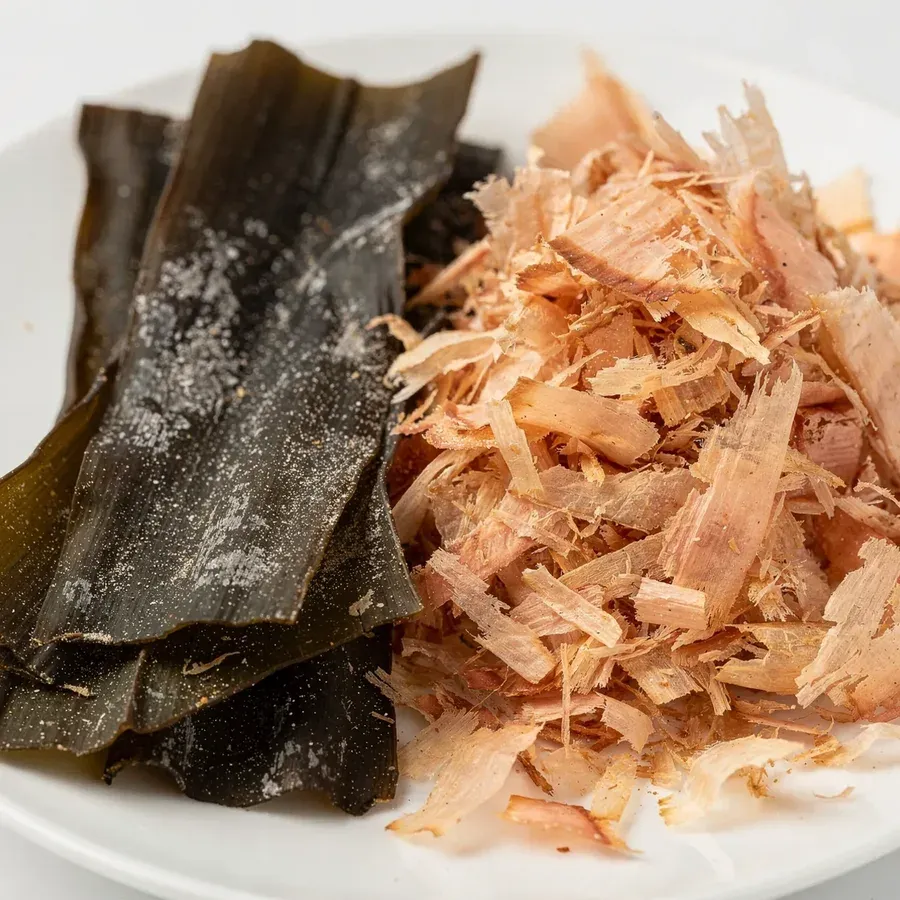
Concepts
The processes and the words: what explains why the food tastes the way it does.

Places
Regions
The places where the ingredients grow, and what altitude, mist and soil do to flavor.

Overview
The map
The whole archive
The index
| Entry | Category | Belongs to | Dominant flavors |
|---|---|---|---|
| Aka-miso赤味噌 | Miso type | Miso | powerful umami, fermented depth, saltiness |
| Aonori青のり | Sea vegetable | Seaweed and kelp | ocean, umami, fresh |
| Aosaあおさ | Sea vegetable | Seaweed and kelp | ocean, mild umami, greenness |
| Awase-miso合わせ味噌 | Miso type | Miso | umami, balanced saltiness, fermentation tone |
| Bancha番茶 | Tea variety | Green tea | dry hay, mild sweetness, light astringency |
| Beni shoga紅生姜 | Pickle | Tsukemono | salty brine, ume acidity, ginger heat |
| Citrus香酸柑橘 | Family | – | – |
| Daidai橙 | Citrus fruit | Citrus | bitterness, acidity, peel aroma |
| Dashi出汁 | Concept | – | – |
| Dashi ingredients出汁素材 | Family | – | – |
| Furikakeふりかけ | Family | – | – |
| Gariガリ | Pickle | Tsukemono | vinegar, sweet brine, ginger heat |
| Genmai-miso玄米味噌 | Miso type | Miso | umami, nuttiness, fermentation tone |
| Genmaicha玄米茶 | Tea variety | Green tea | roasted rice, nutty, popcorn |
| Gomashioごま塩 | Furikake variety | Furikake | salt, crunchy sesame, toasted sesame |
| Green tea緑茶 | Family | – | – |
| Gyokuro玉露 | Tea variety | Green tea | umami, broth, thick sweetness |
| Hatcho-miso八丁味噌 | Miso type | Miso | dense umami, fermented depth, dry saltiness |
| Hidaka-kombu日高昆布 | Dashi ingredient | Dashi ingredients | mild umami, green ocean tone, soft leaf |
| Hijikiひじき | Sea vegetable | Seaweed and kelp | firm bite, earthy mineral, dark ocean tone |
| Hojichaほうじ茶 | Tea variety | Green tea | roasted, nutty, round sweetness |
| Hoshi-shiitake干し椎茸 | Dashi ingredient | Dashi ingredients | deep umami, mushroominess, earthiness |
| Ichimi togarashi一味唐辛子 | Spice | Spices and yakumi | heat, dried chili, faint bitterness |
| Kabosu香母酢 | Citrus fruit | Citrus | acidity, mild peel note, green tone |
| Karashi辛子 | Spice | Spices and yakumi | bite, bitterness, mustard note |
| Katsuo-furikakeかつおふりかけ | Furikake variety | Furikake | umami, dried fish, saltiness |
| Katsuobushi鰹節 | Dashi ingredient | Dashi ingredients | umami, smokiness, dried fish |
| Koikuchi濃口醤油 | Soy sauce type | Soy sauce | salinity, umami, fermented depth |
| Koji麹 | Concept | – | – |
| Kombu昆布 | Sea vegetable | Seaweed and kelp | umami, broth, ocean |
| Konacha粉茶 | Tea variety | Green tea | astringency, dense greenness, umami |
| Kukicha茎茶 | Tea variety | Green tea | smooth sweetness, fresh hay, creamy greenness |
| Ma-kombu真昆布 | Dashi ingredient | Dashi ingredients | rich umami, sweetness, ocean |
| Matcha抹茶 | Tea variety | Green tea | green intensity, umami, creamy |
| Mecha芽茶 | Tea variety | Green tea | concentrated umami, dense greenness, green astringency |
| Mentaiko-furikake明太子ふりかけ | Furikake variety | Furikake | umami, saltiness, chili heat |
| Miso味噌 | Family | – | – |
| Mozukuもずく | Sea vegetable | Seaweed and kelp | slippery texture, ocean, acidity in mozuku-su |
| Mugi-miso麦味噌 | Miso type | Miso | sweetness, umami, bready fermentation |
| Niboshi煮干し | Dashi ingredient | Dashi ingredients | powerful umami, fishiness, saltiness |
| Nori海苔 | Sea vegetable | Seaweed and kelp | toasted ocean tone, umami, toasted nuttiness |
| Nori komi海苔香味 | Furikake variety | Furikake | umami, toasted nori, ocean |
| Noritamaのりたま | Furikake variety | Furikake | umami, sweetness, saltiness |
| Nukazuke糠漬け | Pickle | Tsukemono | living ferment, vegetable umami, lactic acidity |
| Rakkyoらっきょう | Pickle | Tsukemono | crackle, sweet brine, vinegar |
| Rausu-kombu羅臼昆布 | Dashi ingredient | Dashi ingredients | mighty umami, ocean, sweetness |
| Rishiri-kombu利尻昆布 | Dashi ingredient | Dashi ingredients | elegant umami, ocean, mineral |
| Saishikomi再仕込み醤油 | Soy sauce type | Soy sauce | double ferment, deep umami, dark sweetness |
| Sansho山椒 | Spice | Spices and yakumi | tingle, citrus aroma, faint heat |
| Seaweed and kelp海藻 | Family | – | – |
| Sencha煎茶 | Tea variety | Green tea | grassy, umami, sweetness |
| Shibazuke柴漬け | Pickle | Tsukemono | deep ferment, lactic acidity, red shiso |
| Shichimi togarashi七味唐辛子 | Spice | Spices and yakumi | heat, toasted sesame, citrus peel |
| Shikuwasaシークヮーサー | Citrus fruit | Citrus | acidity, peel aroma, green tone |
| Shincha新茶 | Tea variety | Green tea | spring greenery, umami, sweetness |
| Shiro shoyu白醤油 | Soy sauce type | Soy sauce | wheat sweetness, salinity, light ferment |
| Shiro-miso白味噌 | Miso type | Miso | sweetness, smooth umami, mild saltiness |
| Soy sauce醤油 | Family | – | – |
| Spices and yakumi香辛料 | Family | – | – |
| Sudachi酢橘 | Citrus fruit | Citrus | green peel, acidity, green tone |
| Takuan沢庵 | Pickle | Tsukemono | crunch, fermented radish, salinity |
| Tamariたまり醤油 | Soy sauce type | Soy sauce | dense umami, dark ferment, salinity |
| Tamaryokucha玉緑茶 | Tea variety | Green tea | berry tartness, citrus greenness, round sweetness |
| Tsukemono漬物 | Family | – | – |
| Umami旨味 | Concept | – | – |
| Umami synergy旨味の相乗効果 | Concept | – | – |
| Umeboshi梅干し | Pickle | Tsukemono | sharp acidity, salinity, ripe ume |
| Umegashima梅ヶ島 | Region | – | – |
| Usukuchi淡口醤油 | Soy sauce type | Soy sauce | salinity, light umami, light ferment |
| Wakameわかめ | Sea vegetable | Seaweed and kelp | silky texture, mild ocean tone, light sweetness |
| Wasabi山葵 | Spice | Spices and yakumi | bite, green tone, bitterness |
| Wasabi-furikakeわさびふりかけ | Furikake variety | Furikake | wasabi heat, umami, saltiness |
| Yukariゆかり | Furikake variety | Furikake | salt, acidity, shiso |
| Yuzu柚子 | Citrus fruit | Citrus | peel aroma, acidity, bitterness from the pith |
| Yuzu kosho柚子胡椒 | Spice | Spices and yakumi | yuzu peel, heat, saltiness |
75 entries in the archive.
Entry points
Flavor lexicon
The words used to describe flavor across the archive, and what they mean. To see which ingredients carry a flavor, select it in the map above.
- Umami
- The fifth basic taste, alongside sweet, salty, sour, and bitter. It reads as fullness and satisfaction rather than a distinct flavor, and comes from glutamate, inosinate, and guanylate. Kombu, katsuobushi, and dried shiitake are the pantry's three sources, and together they grow stronger than any of them alone.
- Grass
- The green, freshly cut tone of young leaves. Strongest in shaded teas and in the first harvest of the year, and the first thing to disappear when a leaf is roasted.
- Sweetness
- Natural sweetness, not added sugar. In tea it comes from amino acids built up in the shade; in miso, from rice that koji has broken down into sugar. A young shiro-miso is the sweetest in the family.
- Roast
- What happens in a hot pan or drum: nuts, bread, and caramel. Hojicha and gomashio are the archive's two extremes, one a roasted leaf and the other roasted sesame.
- Ocean
- The scent and taste of the coast: seaweed, sea breeze, and salt water. Much of it comes from dimethyl sulfide, the compound that makes dried seaweed smell of the ocean the second it meets moisture.
- Salinity
- Pure salt, distinct from ocean notes. A gomashio is decidedly salty without tasting of the sea, and an aonori can taste of the sea without being particularly salty.
- Acidity
- What makes the mouth water. In Japanese food it comes more often from fermentation or ume vinegar than from lemon, which makes it rounder than a sharp fruit acid.
- Citrus
- The aromatic tone of the peel rather than the acidity of the flesh. Yuzu, sudachi, and sansho live here, and these are aromas that vanish with boiling.
- Ferment
- The depth only time can give: mold, lactic acid bacteria, and yeast that have broken the raw material down into something new. The longer a miso has aged, the more of it there is.
- Smoke
- Smoke from wood, not the tone that comes from roasting. Katsuobushi is smoked in rounds over oak for up to a month and carries the clearest smokiness in the archive.
- Heat
- The kind that burns. Chili's capsaicin sits on the tongue and lingers, while the allyl isothiocyanate in wasabi and mustard rushes up into the nose and is gone within seconds. One word, two different sensations.
- Tingle
- Sansho's vibrating, almost electric sensation on the lips and tongue. The compound is called sanshool and it activates touch receptors instead of the heat receptors chili takes, so it is not heat but something of its own.
- Bitterness
- The astringent grip of strongly brewed tea and long-aged miso. In tea it comes from catechins and rises with the water's temperature; in miso it is the edge the years add.
- Mineral
- The stony, almost metallic tone that comes from the salts in seaweed and dried mushrooms. It shows most clearly in the aftertaste, once everything else has settled.
- Texture
- Mouthfeel rather than taste: crisp, slippery, chewy, or silky. It is often the texture, not the flavor, that decides whether an ingredient suits a dish, and mozuku's slickness and gomashio's crunch are its two extremes.