
- Family
- 海藻
Seaweed and kelp
Umami grown in the sea.
Seaweed and kelp are the collective names for the edible algae that have carried Japanese cooking for over a thousand years. They appear as broth, sprinkle, wrapper and snack. Seaweed is the word everyday kitchens use; botanically the varieties are algae, kelp among them. What they share is glutamate, the compound behind umami, which gives food depth without more salt or fat.
Sensory analysis
Pyramid and character
Aroma
from the bag
- ocean
- sea breeze
- dried seaweed
Taste
on the tongue
- umami
- saltiness
- mineral
Finish
what lingers
- clean
- long ocean note
Background
Facts
- The Swedish words
- seaweed is the everyday word and the one people search for; botanically the varieties are algae, while seagrass in the strict sense means flowering marine plants like eelgrass
- Classification
- green, brown and red algae; the color says something about growing waters and flavor
- Character
- green varieties are milder and fresher, brown ones bring more broth-like power
- Cultivation
- farmed on nets and ropes in shallow coastal water, not only harvested wild
- Storage
- dried seaweed weighs next to nothing and keeps for a long time in the pantry
- Iodine
- algae can contain high levels of iodine; the Swedish Food Agency specifically advises pregnant and breastfeeding women to be careful with algae products
Members of the family
Varieties in the family
Show
Sort by
 AonoriSprinkles from the sea.ocean 85%Oceanumami 75%Umamifresh 55%Grassgrassy 45%Grass
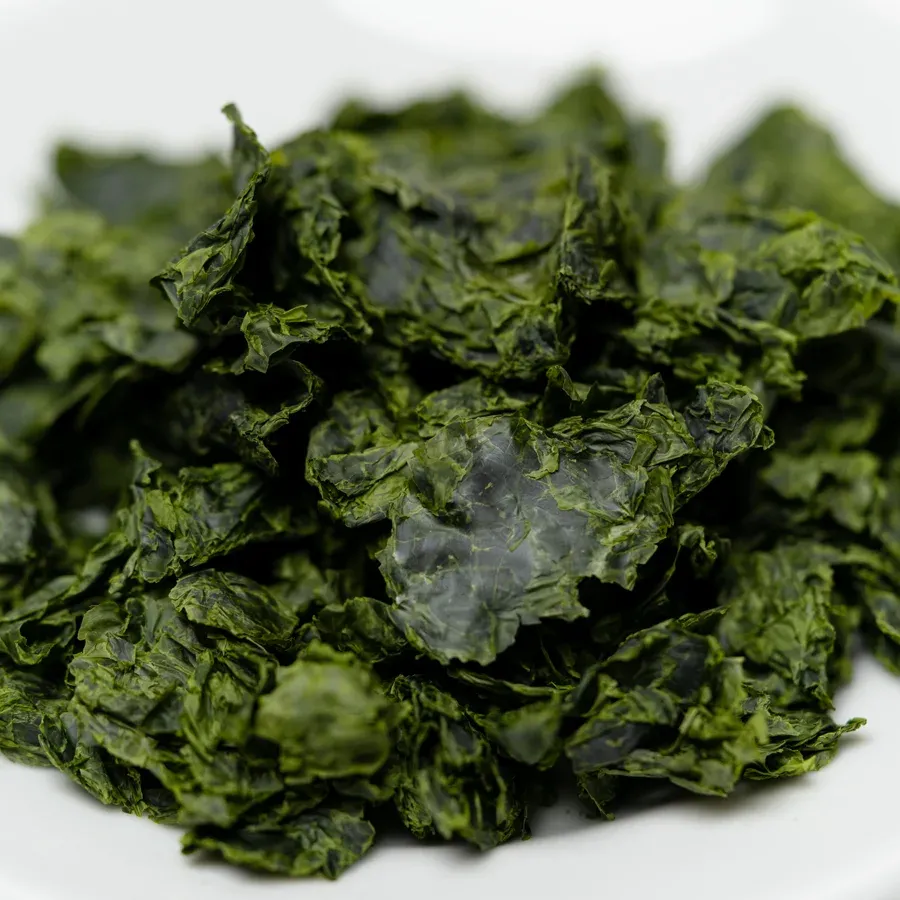 AosaWhat is in the bag when the label says aonori.ocean 70%Oceanmild umami 55%Umamigreenness 55%Grasssilky 45%Texture
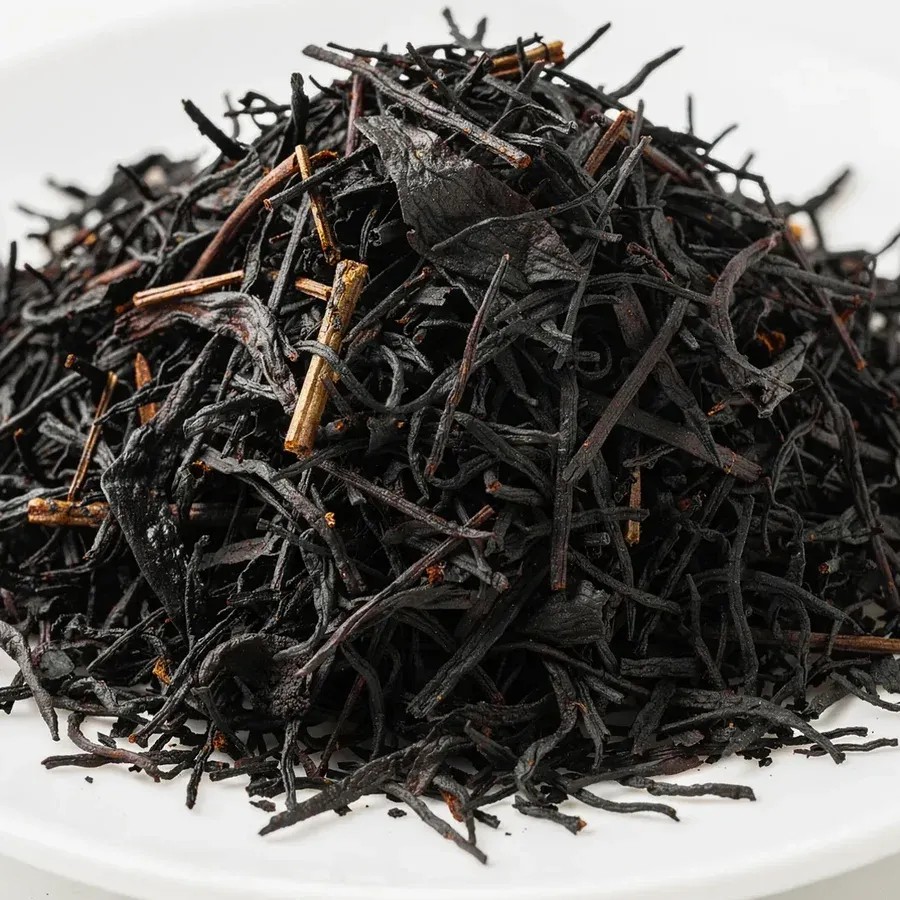 HijikiThe black strand that carries a warning.firm bite 70%Textureearthy mineral 60%Mineraldark ocean tone 55%Oceanumami 40%Umami
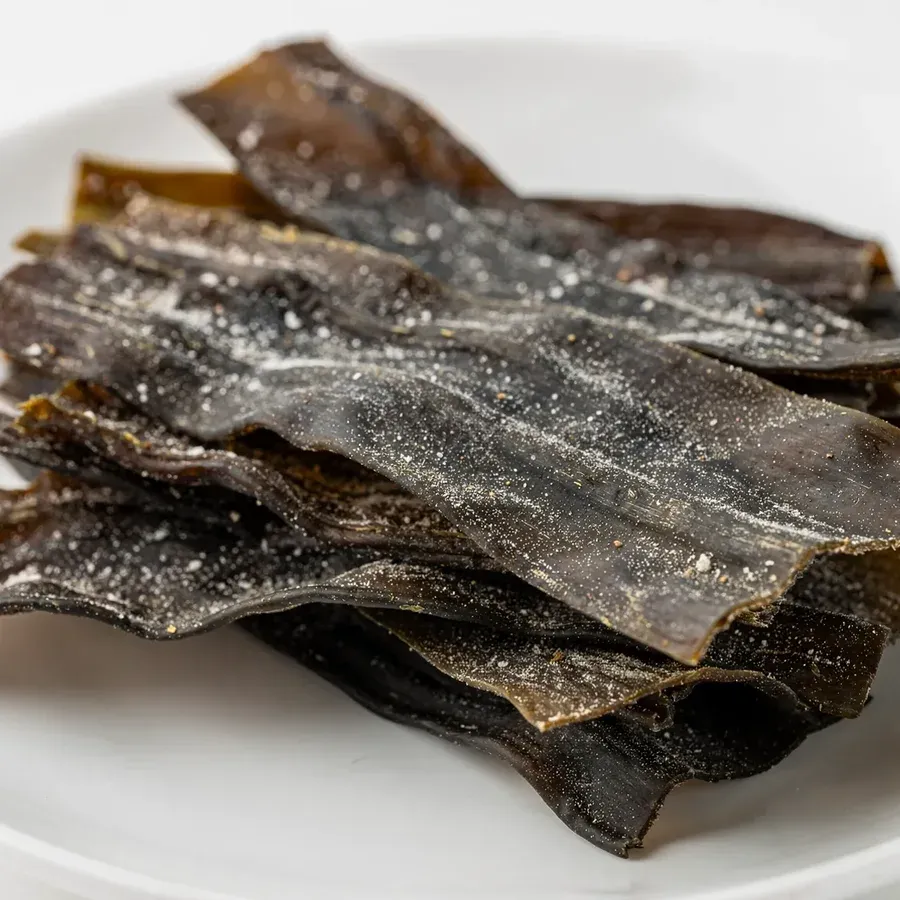 KombuThe foundation of the broth, never boiled.umami 95%Umamibroth 80%Umamiocean 70%Oceansaltiness 55%Salinity
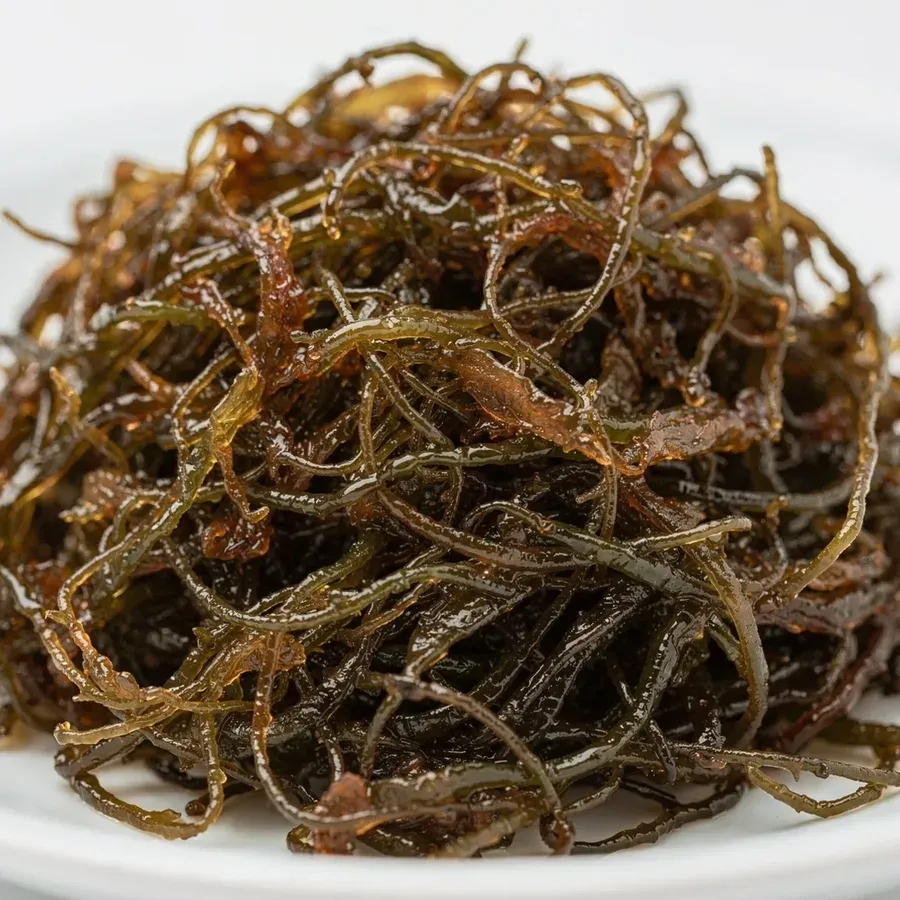 MozukuOkinawa's slippery strands, always cold and tart.slippery texture 90%Textureocean 70%Oceanacidity in mozuku-su 50%Aciditymild umami 30%Umami
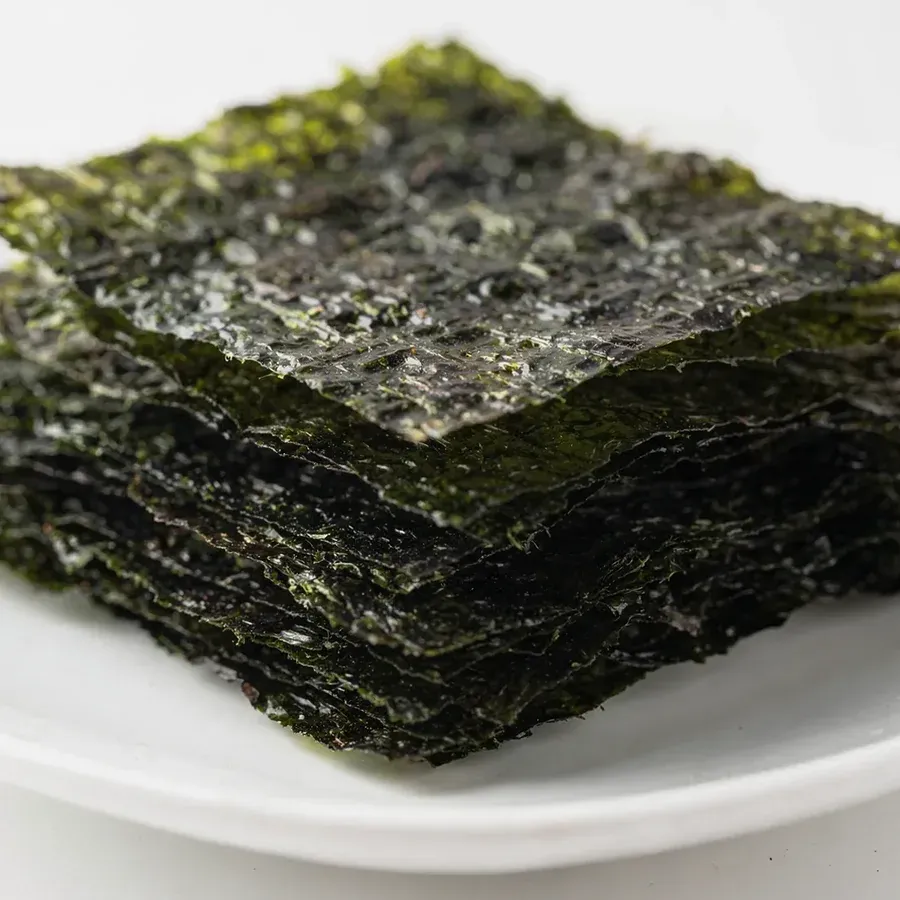 NoriThe paper of the sea, toasted and crisp.toasted ocean tone 70%Oceanumami 70%Umamitoasted nuttiness 55%Roastsaltiness 55%Salinity
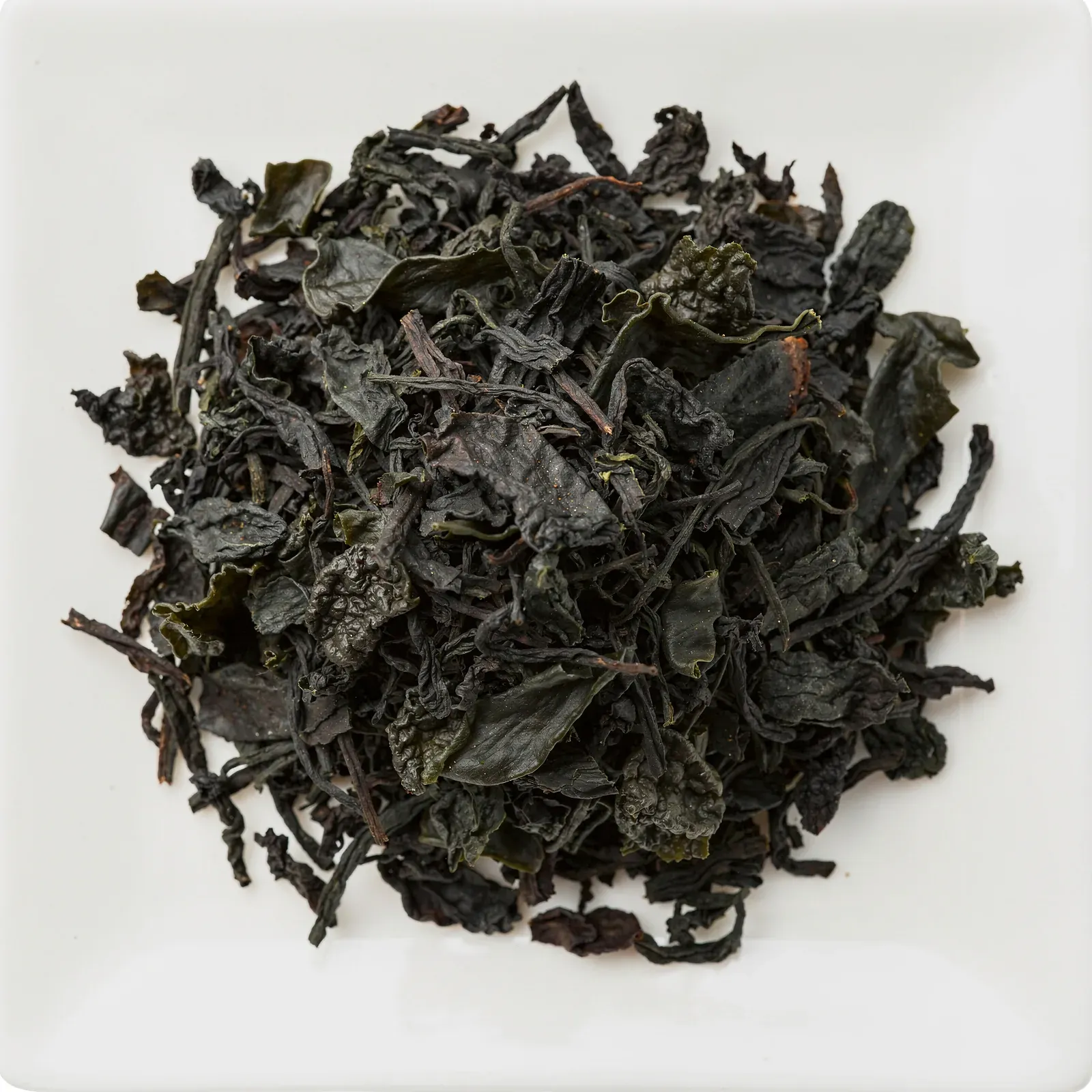 WakameThe texture, not the umami.silky texture 75%Texturemild ocean tone 60%Oceanlight sweetness 35%Sweetnesssaltiness 35%Salinity
Keep exploring
Related in the Zukan
Evidence
Sources
- Nekko Journal: Japanskt sjögräs, guiden till sorterna (retrieved 2026-08-08)
- Edible seaweed (Wikipedia) (retrieved 2026-08-08)
Compiled by Basim Ali Yoshiguchi. .