.jpg)
- Family
- 醤油
Soy sauce
Five types, a brewery in every bottle.
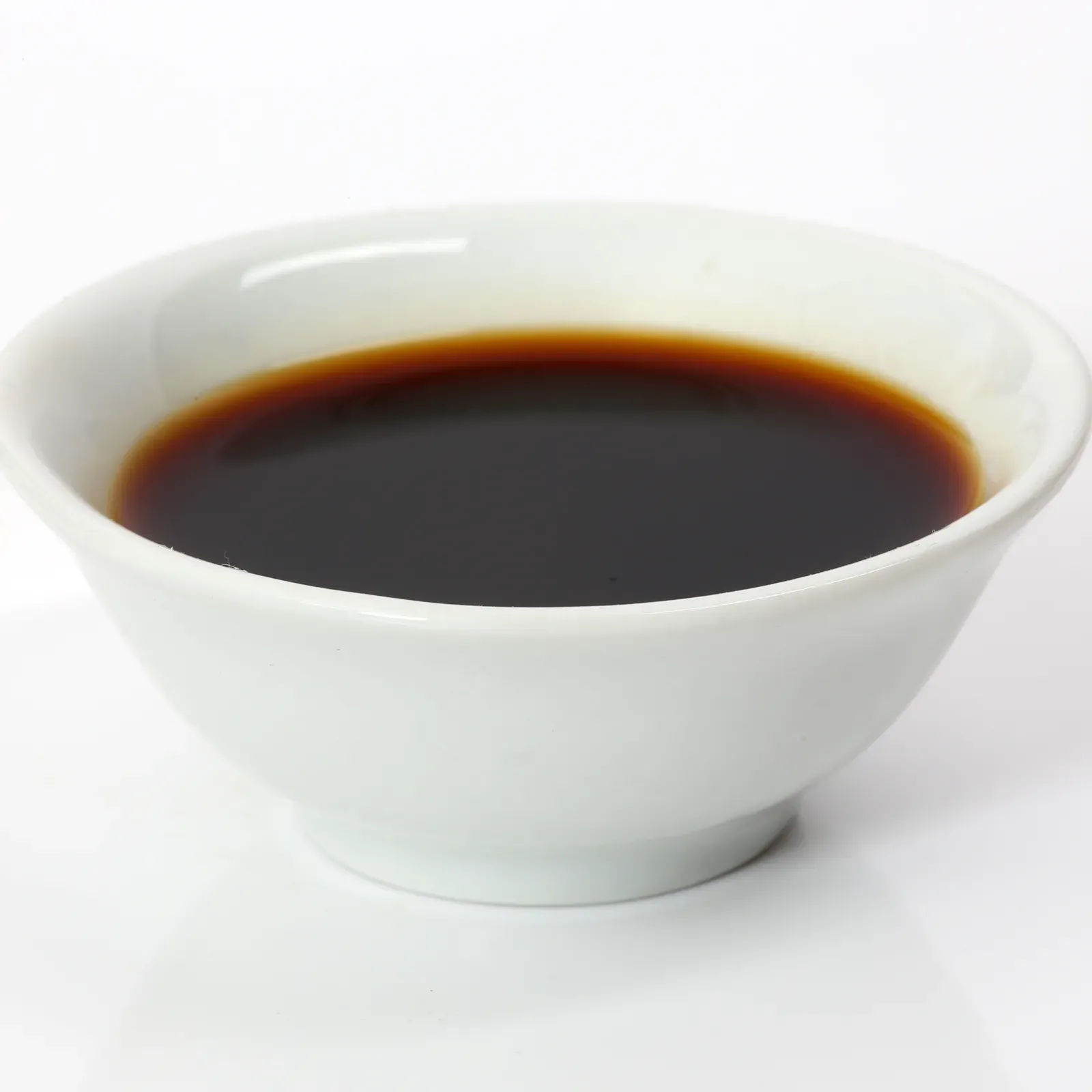
Soy sauce here means Japanese shoyu: soybeans and roasted wheat inoculated with koji and fermented in brine for months before the mash is pressed. Japan divides it into five official types, and the differences are bigger than the name suggests: koikuchi is the standard, usukuchi is paler but saltier, tamari is thick and nearly wheat-free, saishikomi is brewed on finished soy sauce, and shiro is as pale as tea. Which bottle to buy depends on whether the soy sauce is meant to be seen, tasted, or simply carry.
Sensory analysis
Pyramid and character
Aroma
from the tub
- roasted wheat
- ferment
- caramel
Taste
on the tongue
- umami
- salinity
- round sweetness
Finish
what lingers
- long
- deep
- clean
Background
Facts
- Method
- the beans are steamed, the wheat roasted and crushed, both inoculated with koji and mixed with brine into a mash, moromi, which ferments for months; lactic acid bacteria build the acidity, yeast builds the aroma, and finally the mash is pressed and the sauce heat-treated
- Organism
- the koji molds are Aspergillus sojae and Aspergillus oryzae, the same family of molds that carries miso and sake; their enzymes turn protein into umami and starch into sugar
- Classification
- the JAS standard counts five types, koikuchi at over 80 percent of production, usukuchi around 14, and tamari, saishikomi, and shiro at a percent or less each
- Usage
- honjozo means fully brewed; the blended classes kongo-jozo and kongo stretch brewed soy sauce with hydrolyzed vegetable protein, and that is the difference between bottles that look alike but do not taste alike
- History
- soy sauce grew out of the fermented pastes, and the tamari that seeped from the miso mash counts as the original form; in the Edo period koikuchi became the city's everyday sauce with Noda and Choshi in Chiba as its centers, while Kansai kept its pale one
- Outside Japan
- what is sold as Japanese soy sauce in the West is almost always koikuchi; tamari stands in the health aisle as the gluten-free option, with a caveat spelled out in the tamari entry
Members of the family
Varieties in the family
Sort by
- KoikuchiThe soy sauce recipes mean when they just say soy sauce.salinity 75%Salinityumami 70%Umamifermented depth 70%Fermentroasted wheat 50%Roast
- SaishikomiBrewed on soy sauce instead of brine.double ferment 95%Fermentdeep umami 90%Umamidark sweetness 75%Sweetnesssalinity 65%Salinity
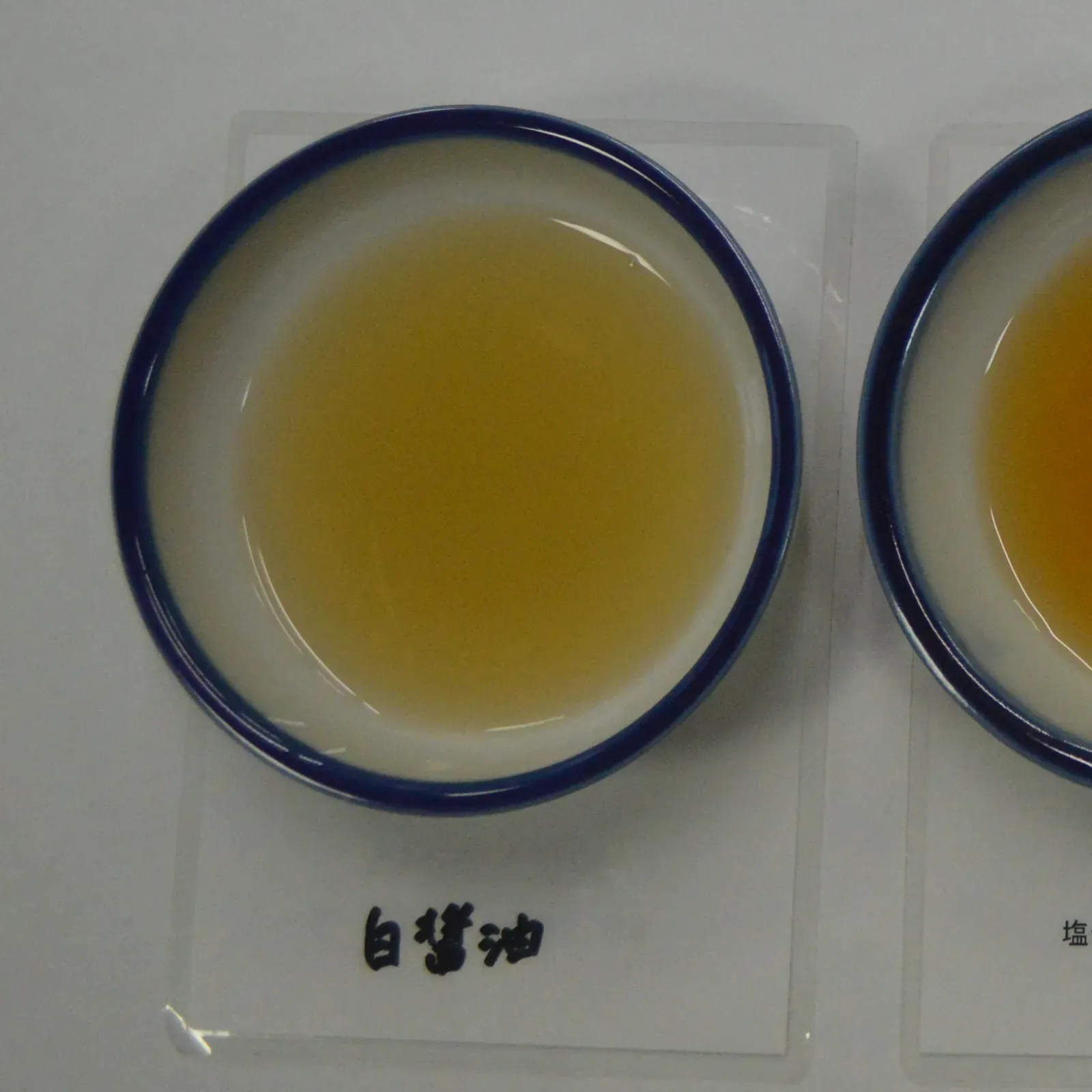 Shiro shoyuSalts without showing.wheat sweetness 90%Sweetnesssalinity 70%Salinitylight ferment 25%Ferment
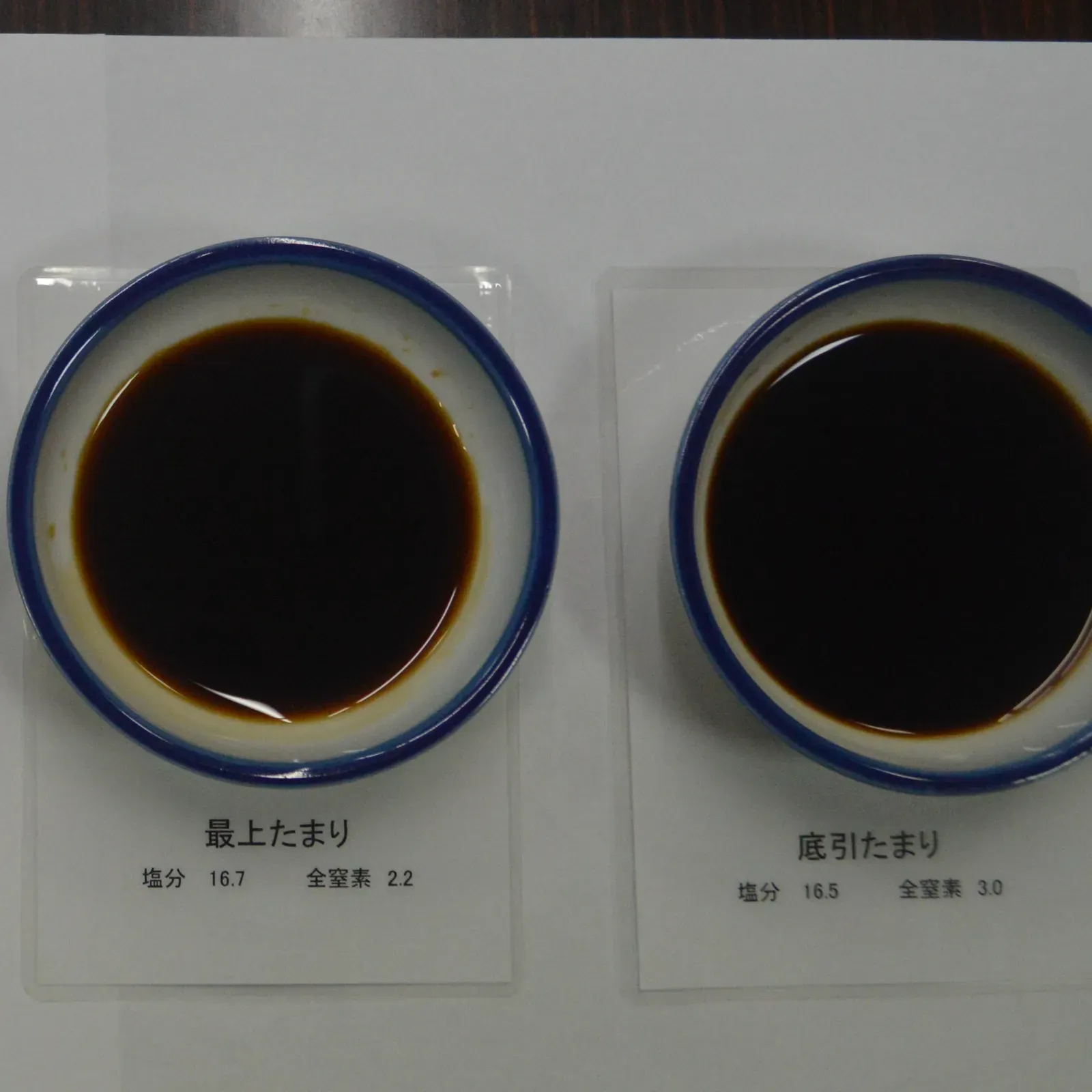 TamariThe original soy sauce, heaviest in both body and umami.dense umami 95%Umamidark ferment 85%Fermentsalinity 70%Salinitydark sweetness 45%Sweetness
- UsukuchiPale in color, saltiest of them all.salinity 90%Salinitylight umami 55%Umamilight ferment 50%Ferment
Evidence
Sources
- Soy sauce (Wikipedia) (retrieved 2026-08-15)
- 醤油 (japanska Wikipedia) (retrieved 2026-08-15)
Compiled by Basim Ali Yoshiguchi. .