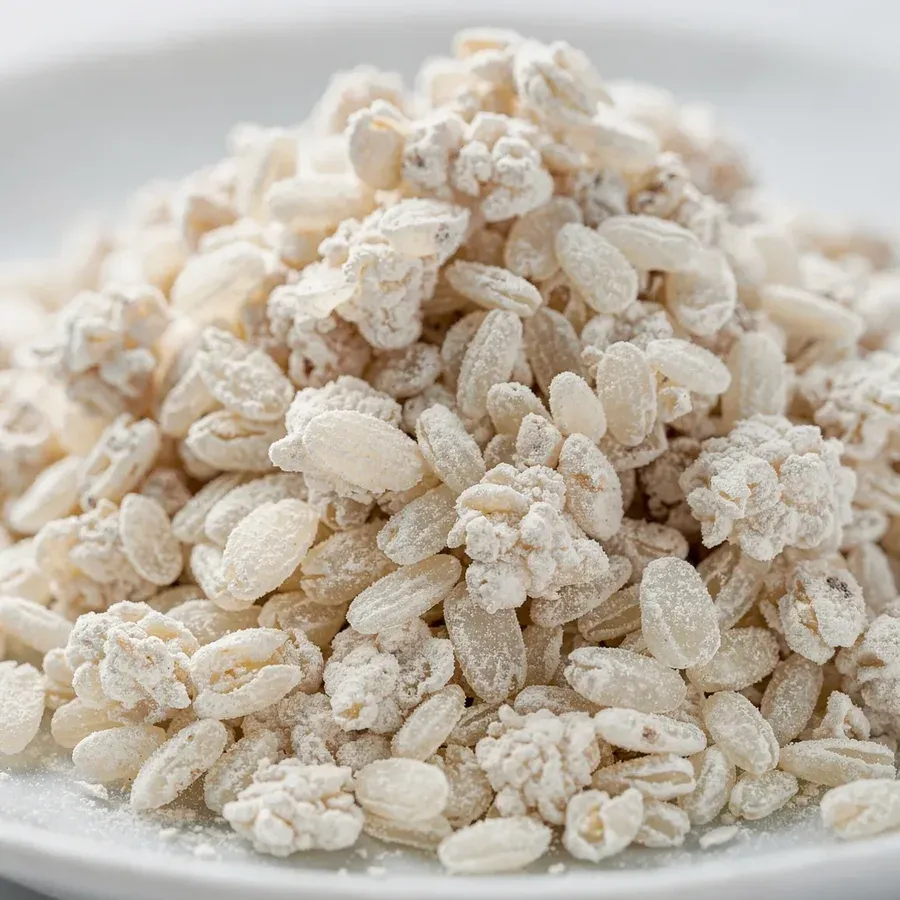
- Concept
- 麹
Koji
The mold the whole pantry rests on.
Koji is rice, barley, or soybeans inoculated with the mold Aspergillus oryzae. The mold produces enzymes that break down starch into sugar and protein into amino acids, above all glutamate. That process is what makes miso, soy sauce, sake, mirin, and rice vinegar possible, and what makes this the single most important microbe in Japanese food culture.
Background
Facts
- Organism
- Aspergillus oryzae, designated the national mold of Japan
- Substrate
- usually steamed rice (kome-koji), but also barley (mugi) and soybeans (mame)
- Function
- the enzymes break down starch into sugar and protein into amino acids
- Result
- free amino acids, above all glutamate, perceived as umami
- Builds
- miso, soy sauce, sake, mirin, rice vinegar, and amazake
Connected here
Entries built on the concept
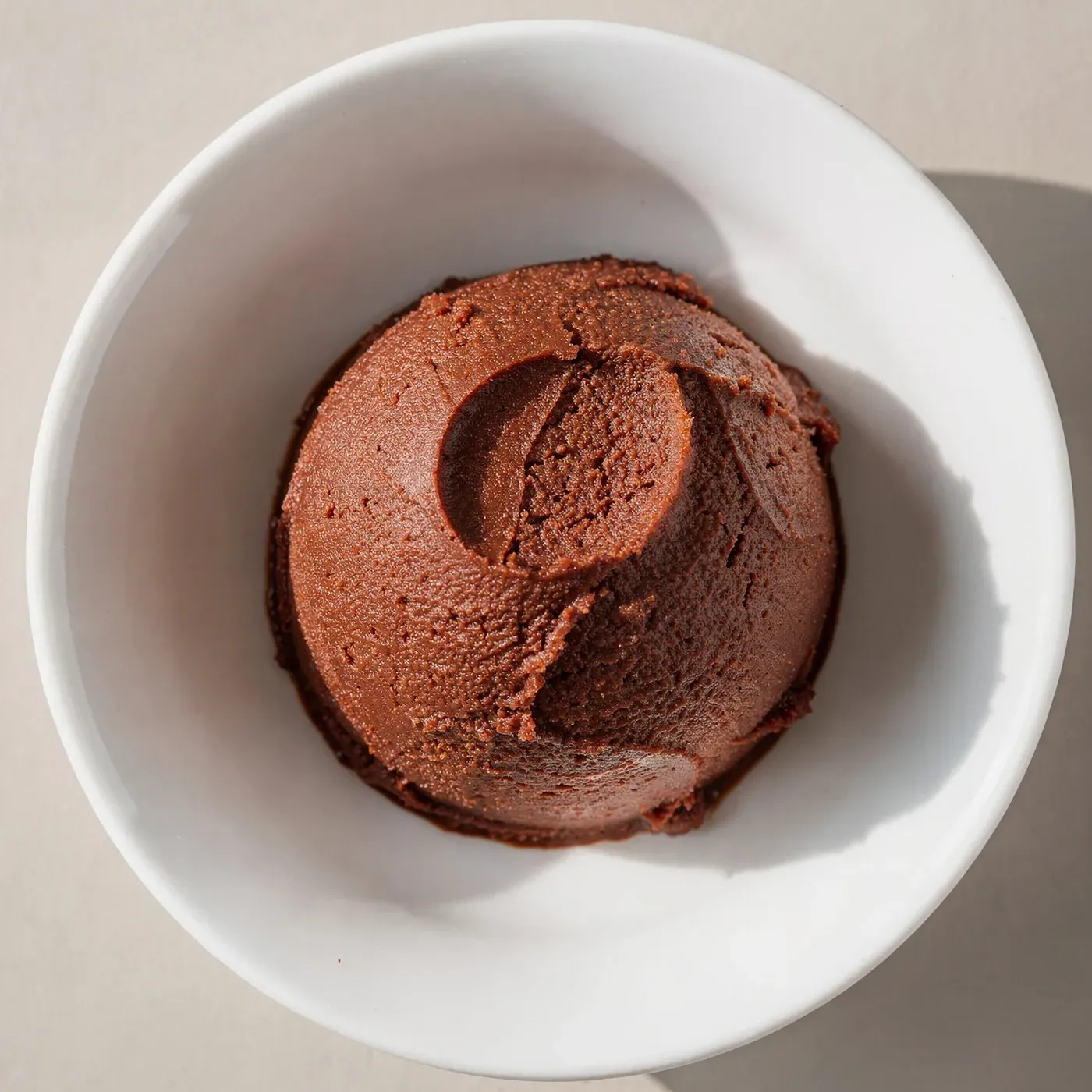 Aka-misoAged, salty and almost meaty.powerful umami 85%Umamifermented depth 85%Fermentsaltiness 80%Salinitytangy edge 50%Acidity
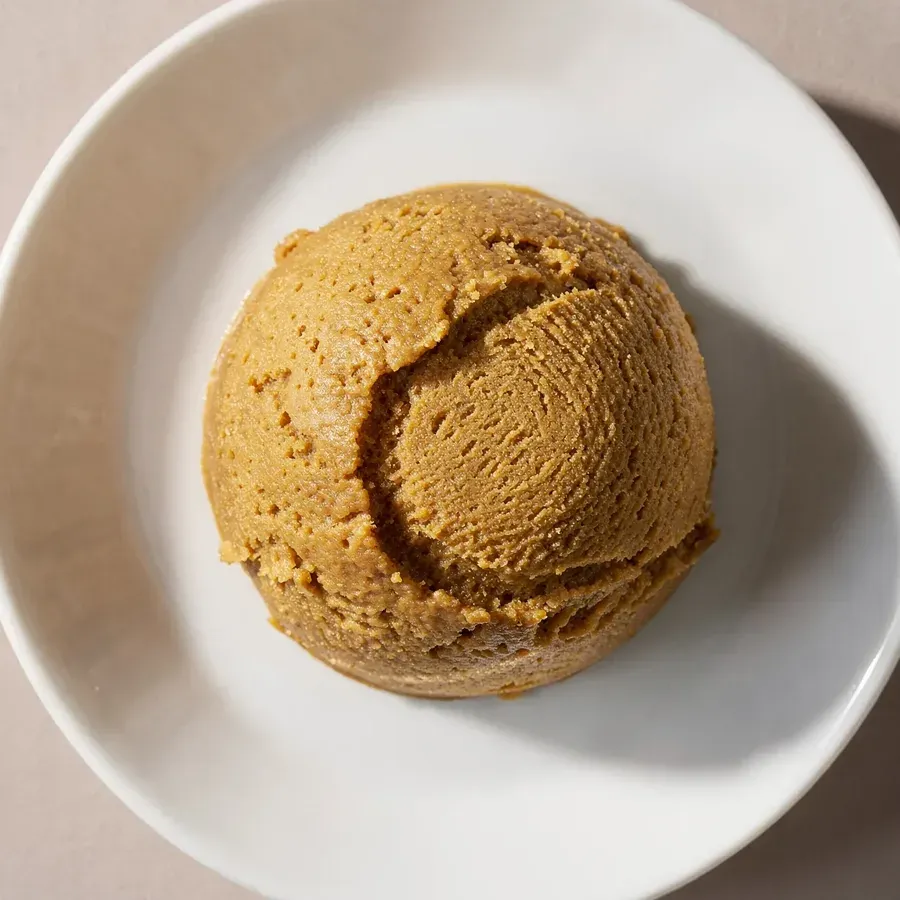 Genmai-misoBrown rice miso, nutty and down to earth.umami 65%Umaminuttiness 60%Roastfermentation tone 60%Fermentround sweetness 55%Sweetness
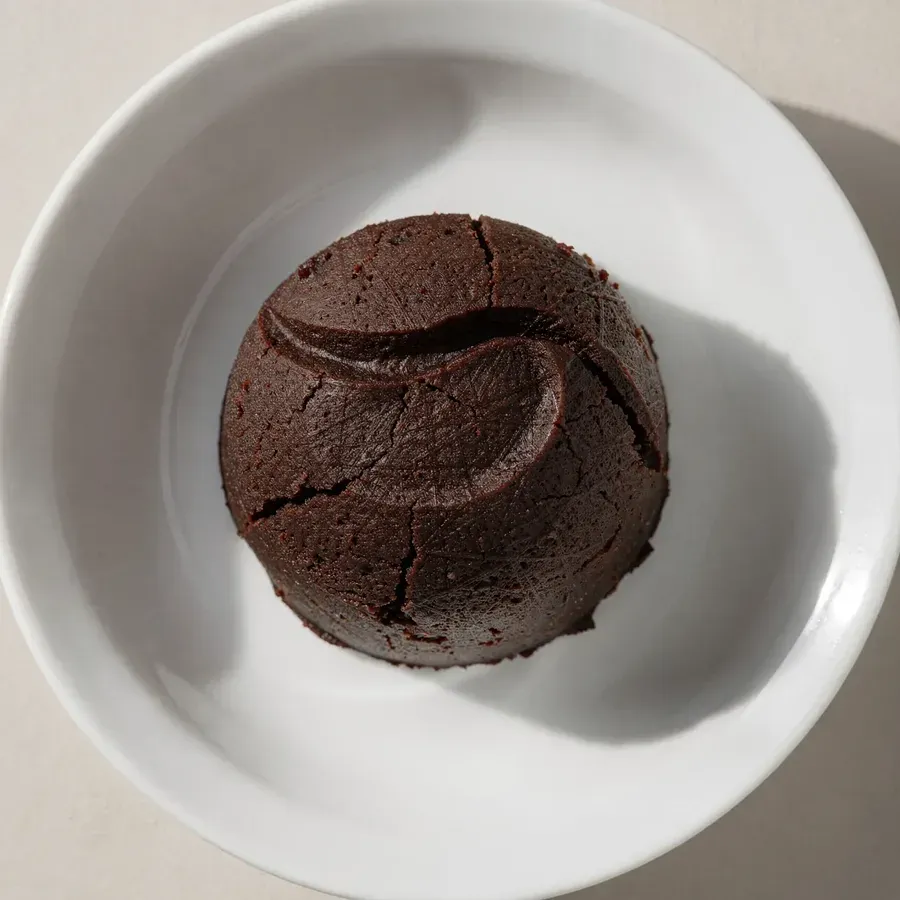 Hatcho-misoOnly soybeans, two years and three tons of stone.dense umami 95%Umamifermented depth 95%Fermentdry saltiness 70%Salinitytangy edge 65%Acidity
- KoikuchiThe soy sauce recipes mean when they just say soy sauce.salinity 75%Salinityumami 70%Umamifermented depth 70%Fermentroasted wheat 50%Roast
 MisoSoybeans, salt and time.
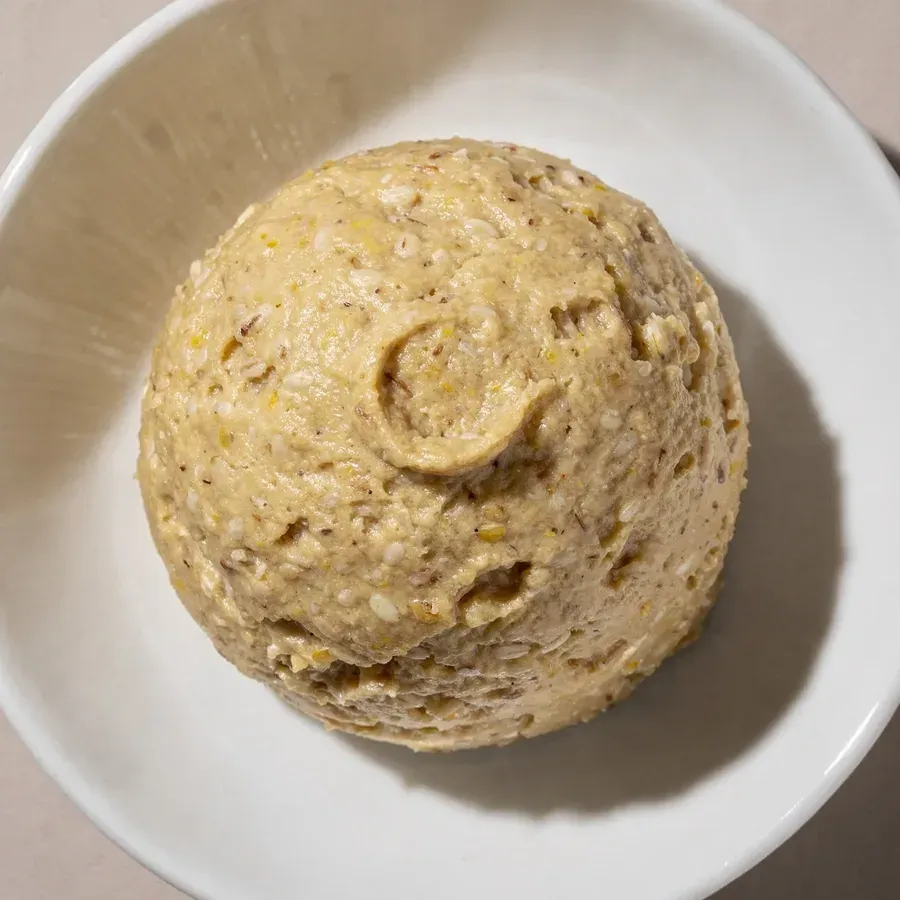 Mugi-misoBarley's miso: bready, sweet and rustic.sweetness 65%Sweetnessumami 60%Umamibready fermentation 55%Fermentgrainy texture 55%Texture
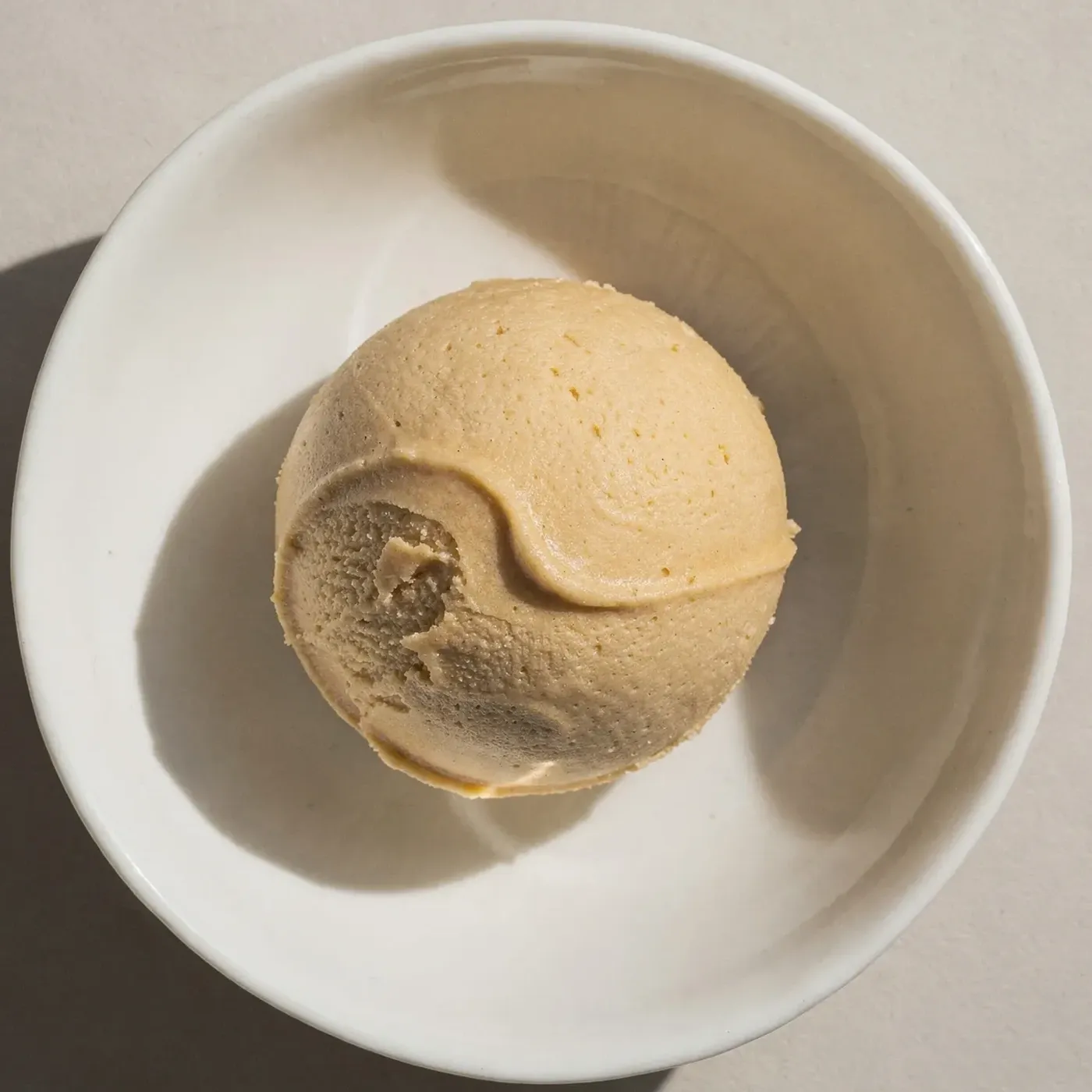 Shiro-misoThe young, sweet miso to start with.sweetness 75%Sweetnesssmooth umami 55%Umamimild saltiness 40%Salinityrice character 35%Texture
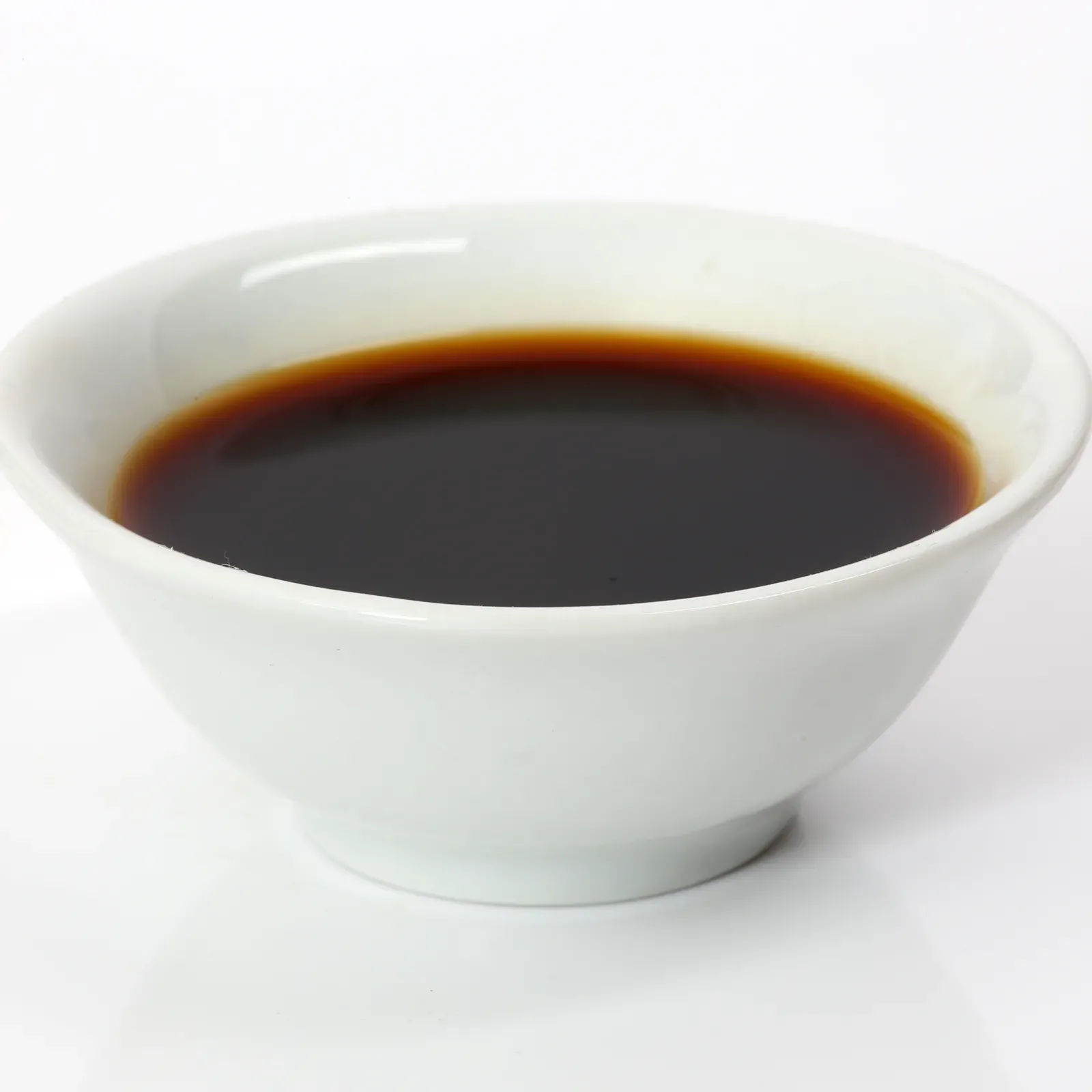 Soy sauceFive types, a brewery in every bottle.
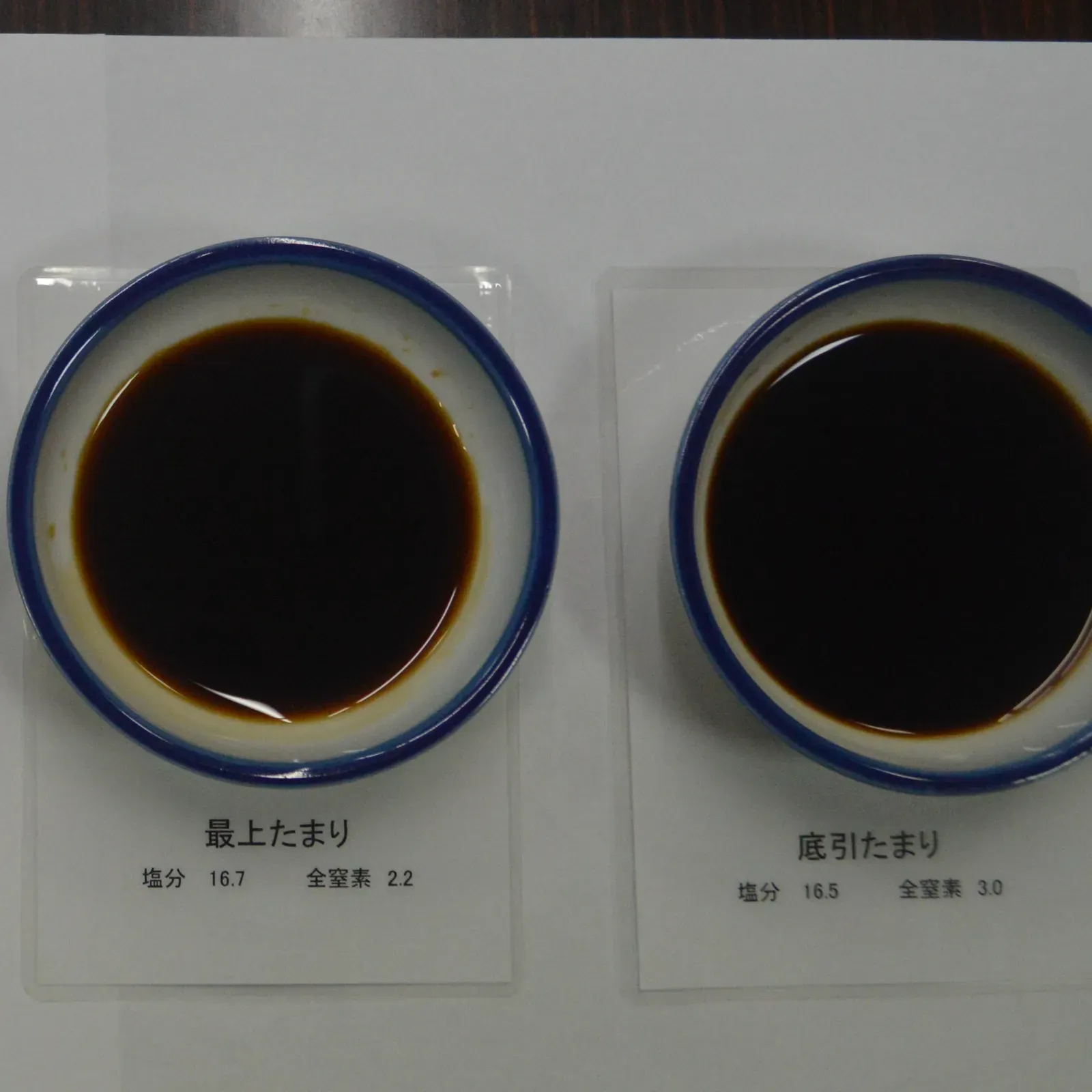 TamariThe original soy sauce, heaviest in both body and umami.dense umami 95%Umamidark ferment 85%Fermentsalinity 70%Salinitydark sweetness 45%Sweetness
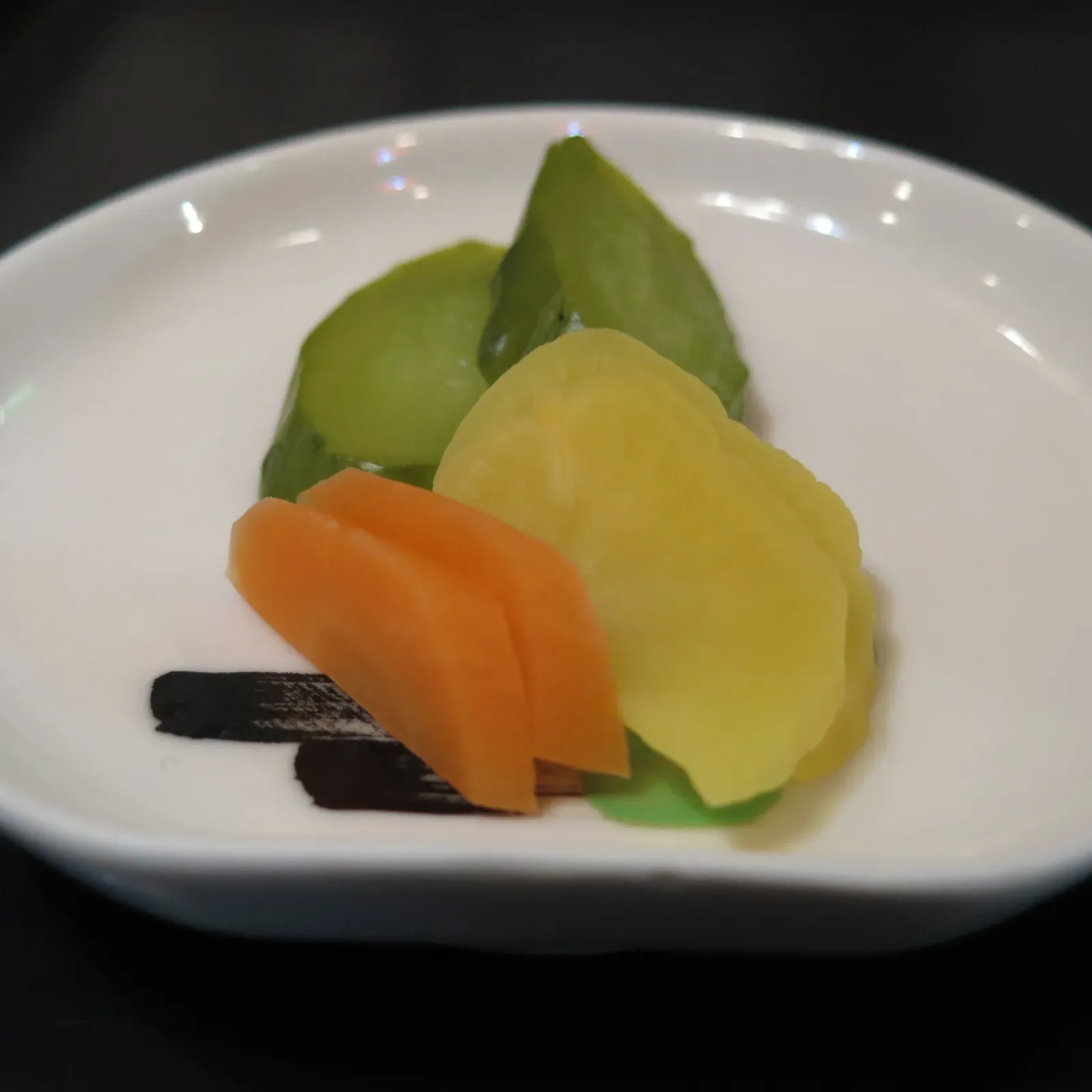 TsukemonoThe small dish that ends the meal.
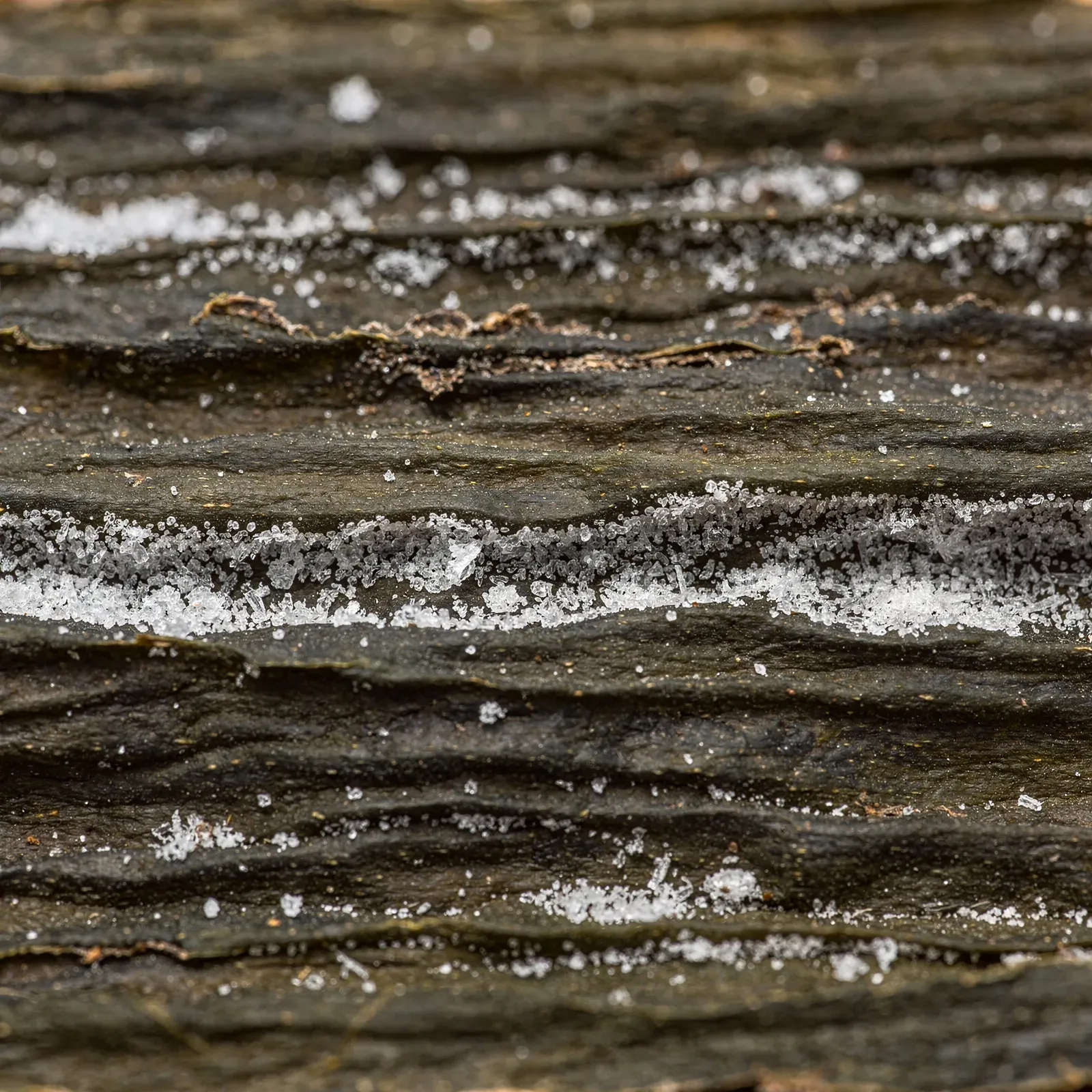 UmamiThe fifth basic taste, and the reason Japanese food satisfies.
Keep exploring
Related in the Zukan
- MisoFamily
- Shiro-misoMiso type
- Aka-misoMiso type
- Hatcho-misoMiso type
- Mugi-misoMiso type
- Genmai-misoMiso type
- UmamiConcept
- TsukemonoFamily
- Soy sauceFamily
Shop and journal
At Nekko
Evidence
Sources
- Nekko Journal: Miso, guiden till japansk misopasta (retrieved 2026-08-08)
- Aspergillus oryzae (Wikipedia) (retrieved 2026-08-08)
Compiled by Basim Ali Yoshiguchi. .