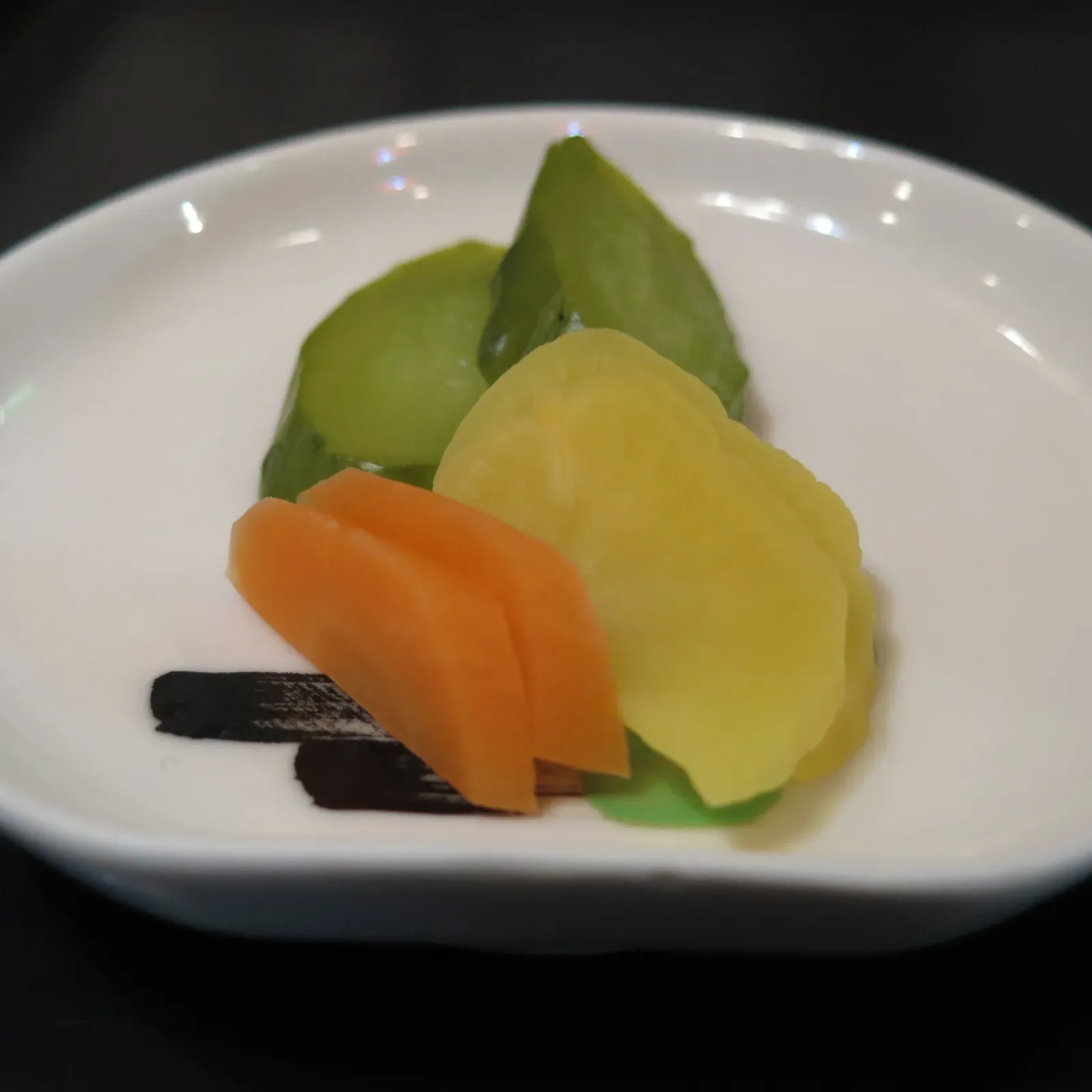

- Family
- 漬物
Tsukemono
The small dish that ends the meal.
Tsukemono are the pickles of the Japanese kitchen: vegetables preserved in salt, vinegar brine, rice bran, or a miso bed. They are served in a small dish beside the rice, and the word covers two entirely different things, and that is the family's most important boundary: quick pickles where a brine does the work in hours, and fermented pickles where lactic acid bacteria build the acidity and depth over weeks. A gari and a shibazuke share the dish but not the method.
Sensory analysis
Pyramid and character
Aroma
from the jar
- tangy
- salty
- fermented
Taste
on the tongue
- salinity
- acidity
- vegetable
Finish
what lingers
- fresh
- crunchy
- clean
Background
Facts
- The name
- 漬物 literally means things laid down; at the table they also go by konomono, fragrant things, and oshinko, the new fragrant, names that hint at their role as the meal's refresher
- Classification
- the methods name the types, shiozuke in salt, suzuke in vinegar, amazuzuke in sweet brine, nukazuke in rice bran, misozuke in miso, kasuzuke in sake lees, asazuke the quick one
- Distinction
- the decisive line runs not between the vegetables but between brined and fermented; a brined pickle tastes of its brine, a fermented one has built its own acidity, and that is the difference the ferment depth axis measures
- History
- preservation came before refrigeration, and salt and fermentation were how vegetables were carried across the winter; temple kitchens refined the methods, and in the Edo period pickles became everyday food with local specialties in every region
- The role
- in the meal model ichiju sansai, one soup and three dishes, tsukemono stand outside the count; they belong to the rice and are served last, as closure and palate cleanser
- Outside Japan
- in Western supermarkets gari is the easy one to find, while the fermented kinds require a Japanese grocery or a crock of your own
Members of the family
Varieties in the family
Sort by
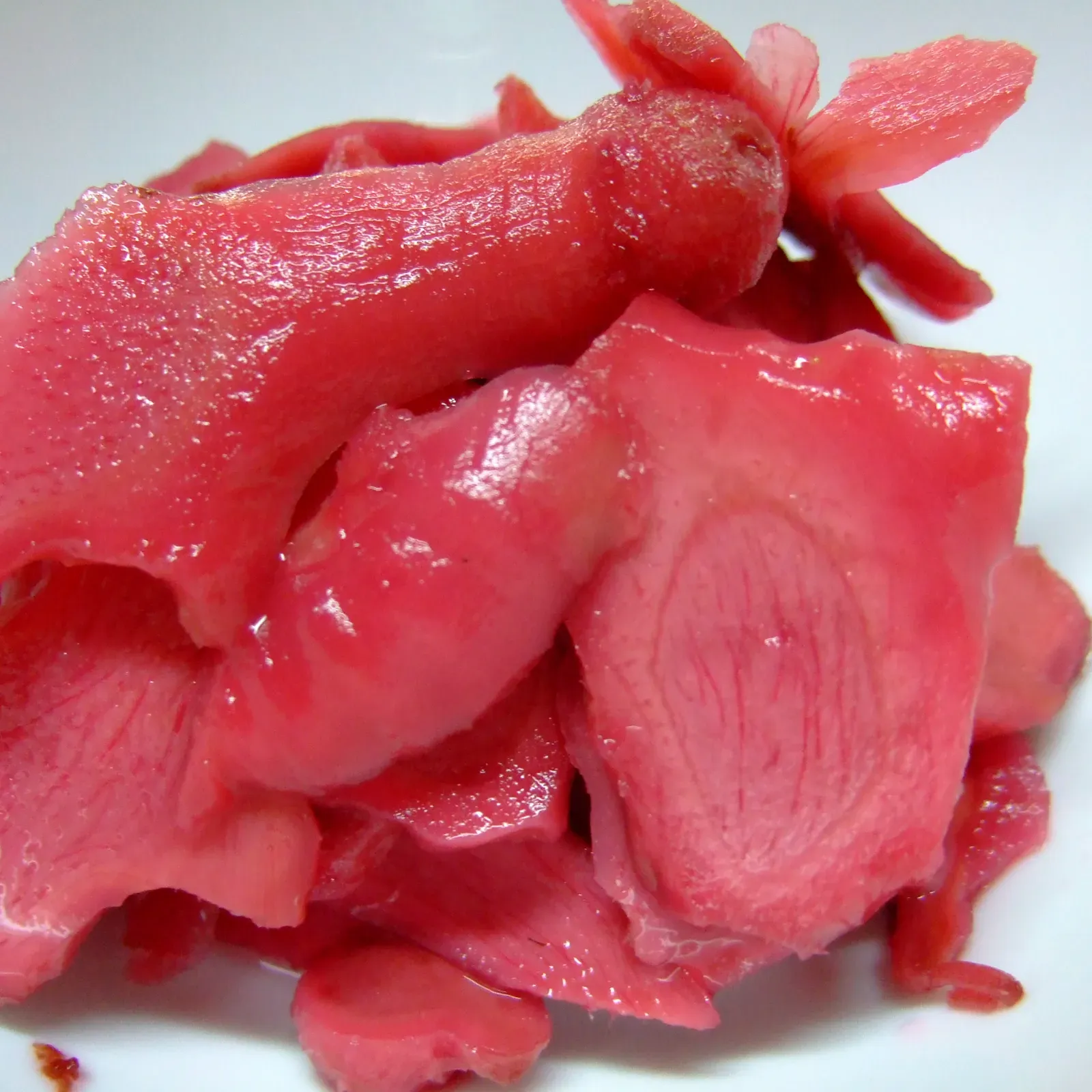 Beni shogaThe umeboshi's brine, the ginger's bite.salty brine 70%Salinityume acidity 70%Acidityginger heat 55%Heat
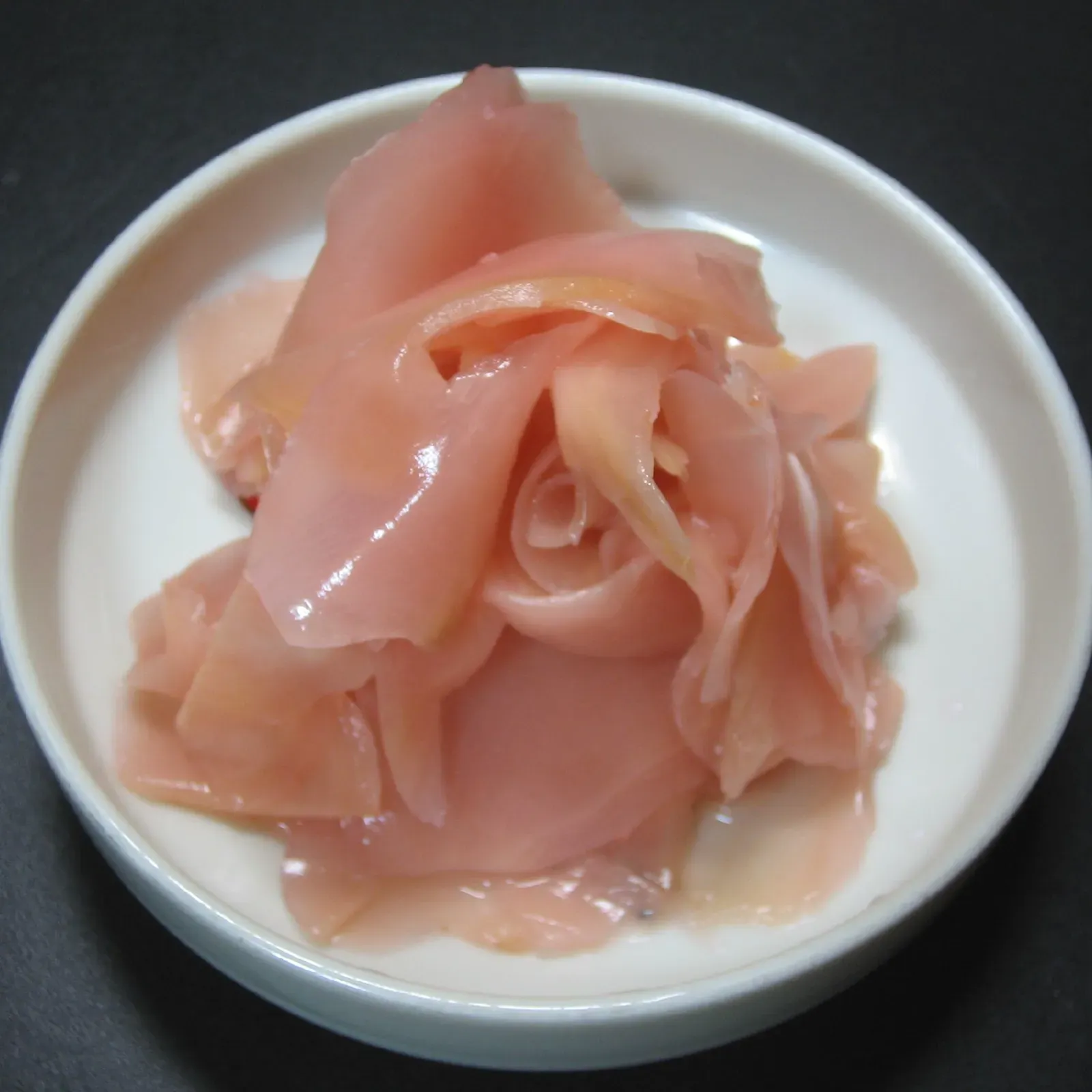 GariEaten between the pieces, never on them.vinegar 75%Aciditysweet brine 70%Sweetnessginger heat 45%Heat
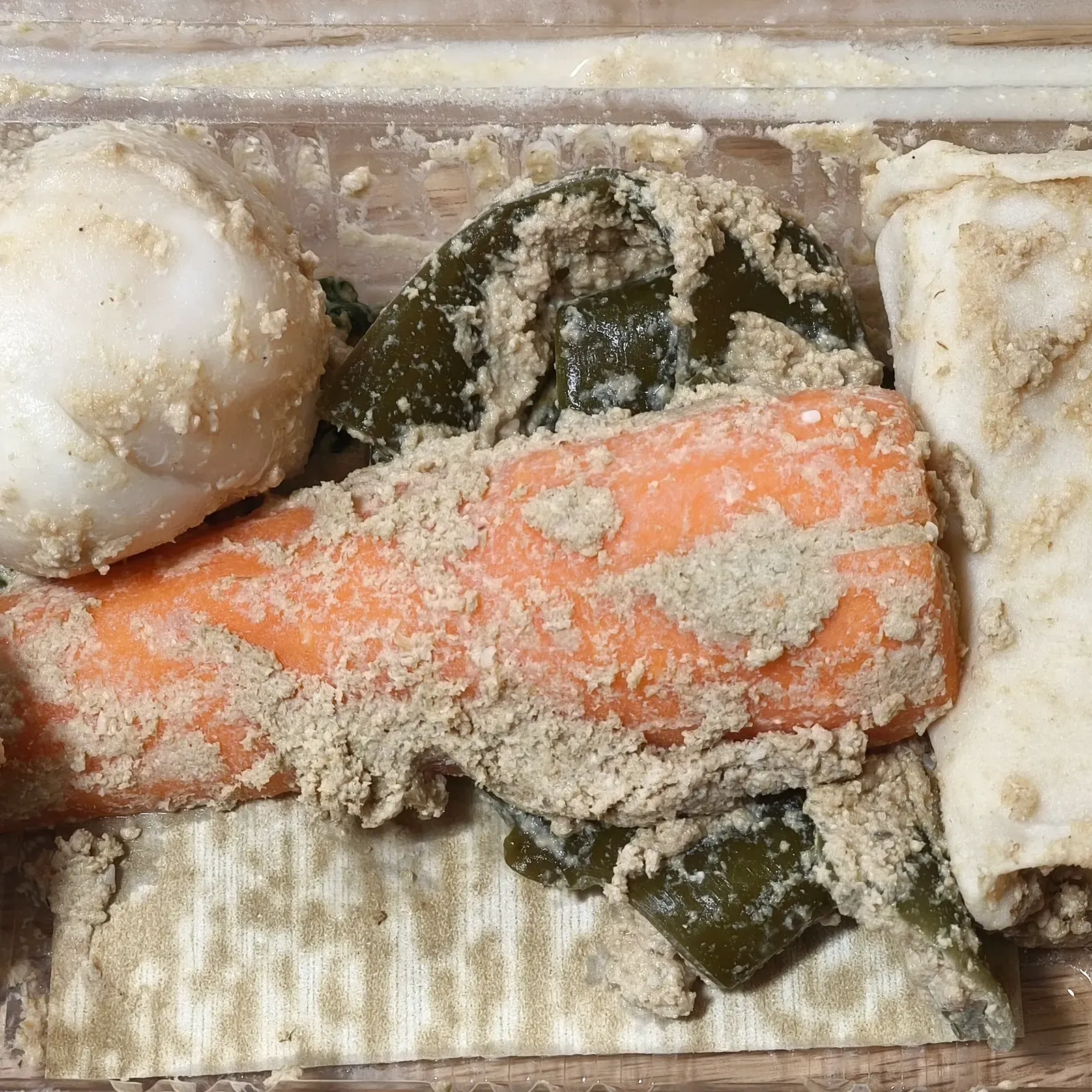 NukazukeNot a product, a practice.living ferment 80%Fermentvegetable umami 65%Umamilactic acidity 60%Aciditysalinity 60%Salinity
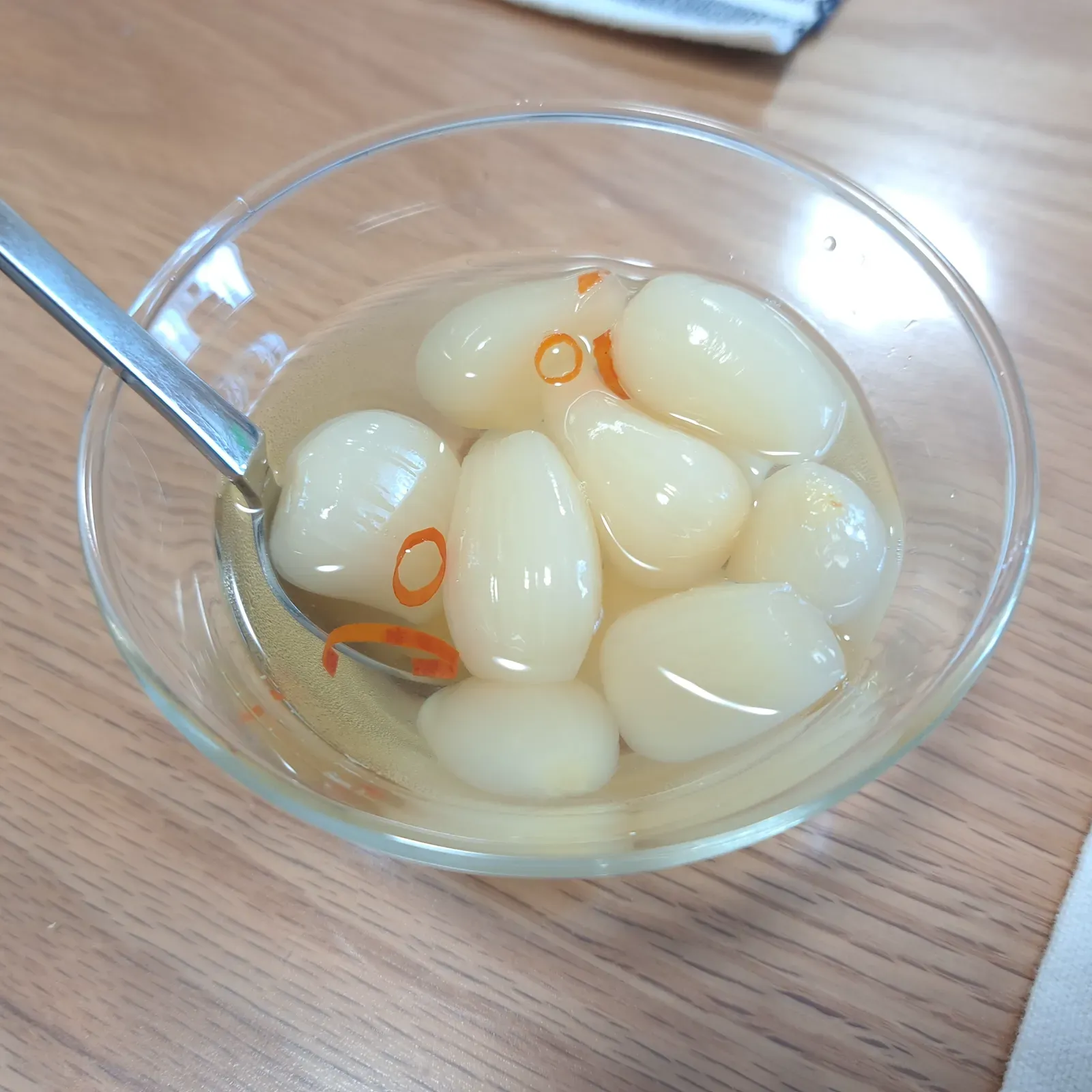 RakkyoThe crunch on the curry plate.crackle 95%Texturesweet brine 80%Sweetnessvinegar 70%Acidityallium bite 30%Heat
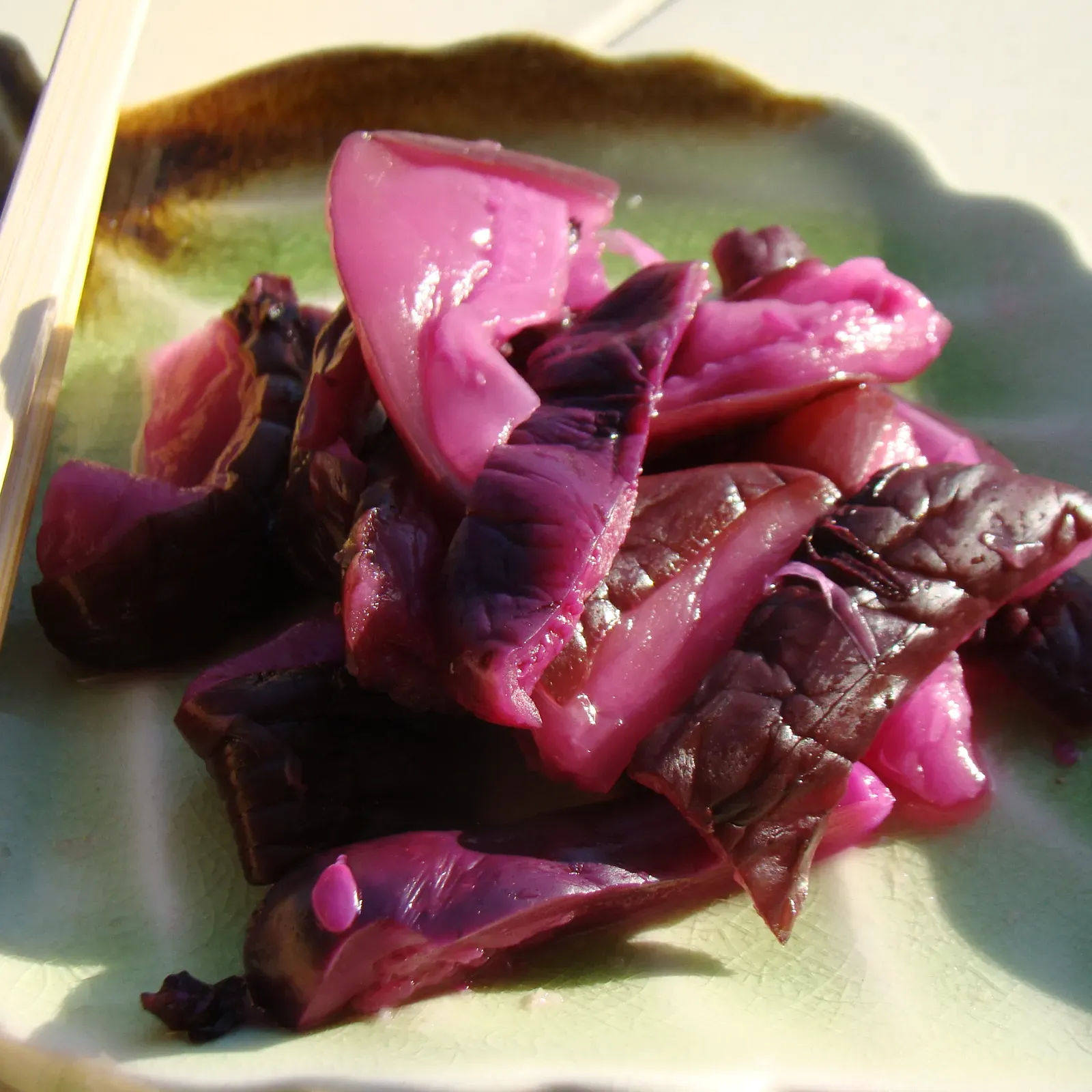 ShibazukeThe acidity and the color come from the ferment, not the brine.deep ferment 90%Fermentlactic acidity 85%Acidityred shiso 60%Grasssalinity 60%Salinity
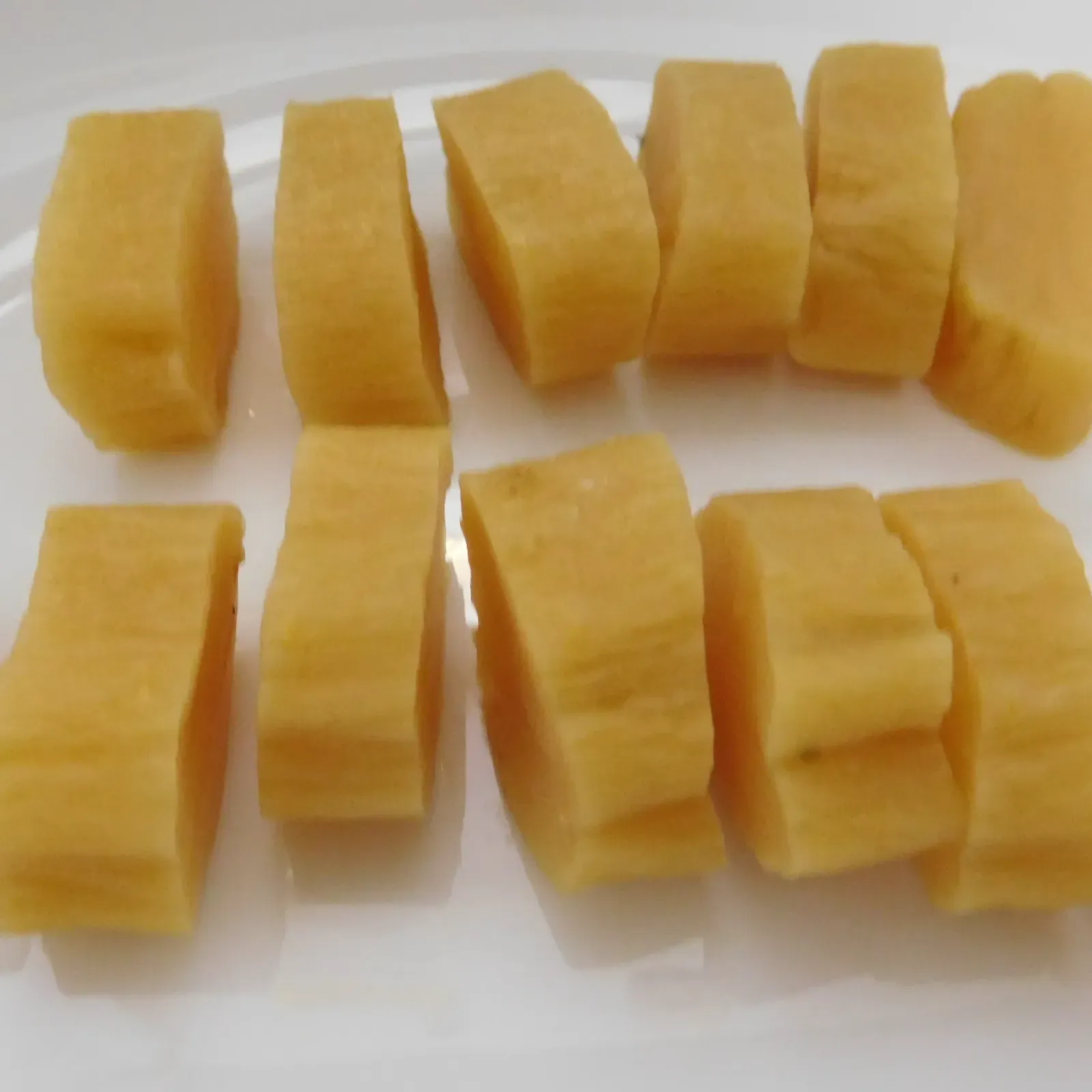 TakuanThe louder the crunch, the better.crunch 90%Texturefermented radish 65%Fermentsalinity 55%Salinitymild sweetness 50%Sweetness
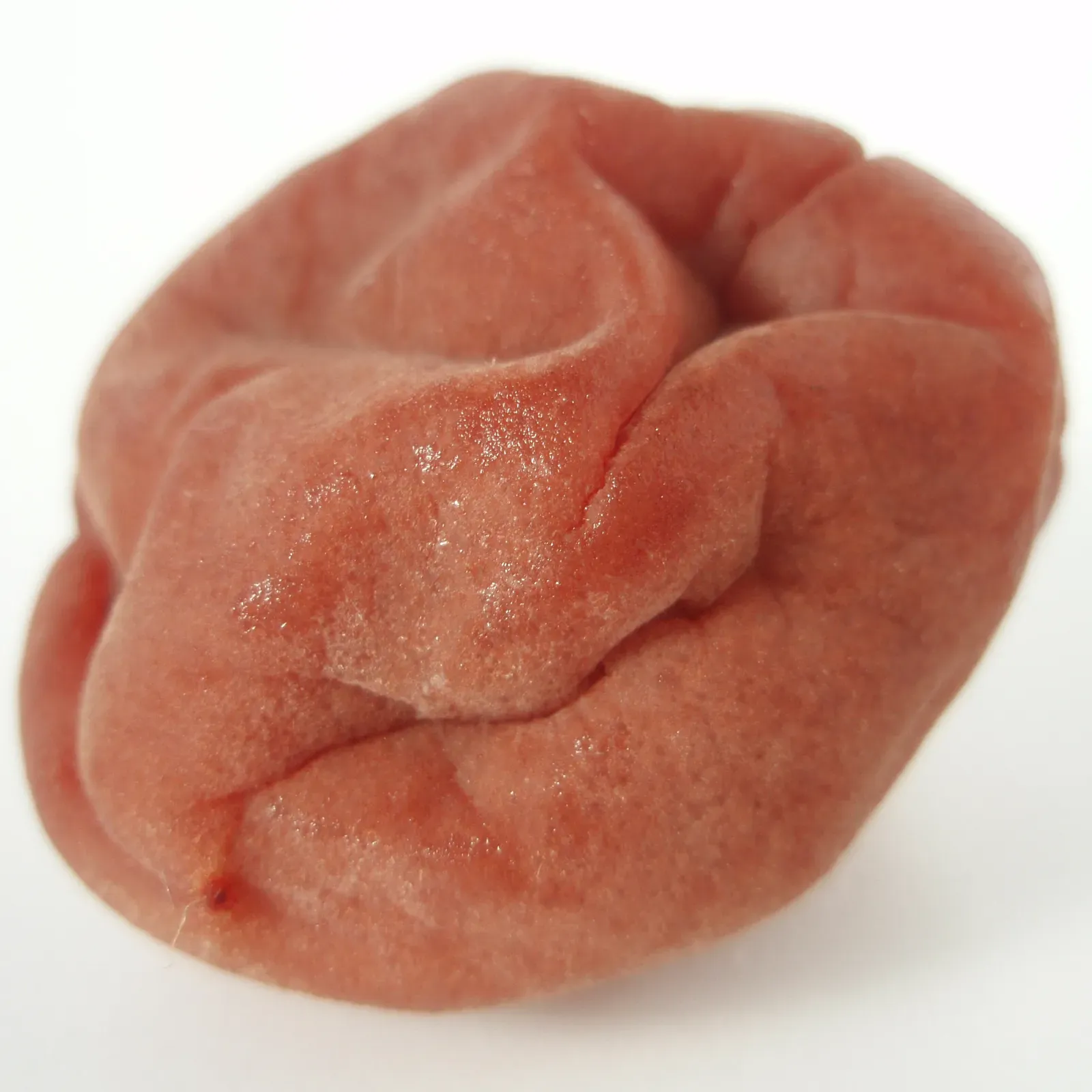 UmeboshiOne bite carries a whole bowl of rice.sharp acidity 95%Aciditysalinity 95%Salinityripe ume 40%Citrusshiso 30%Grass
Evidence
Sources
- Tsukemono (Wikipedia) (retrieved 2026-08-15)
- 漬物 (japanska Wikipedia) (retrieved 2026-08-15)
Compiled by Basim Ali Yoshiguchi. .