- Family
- 香辛料
Spices and yakumi
The heat is not in the same place.
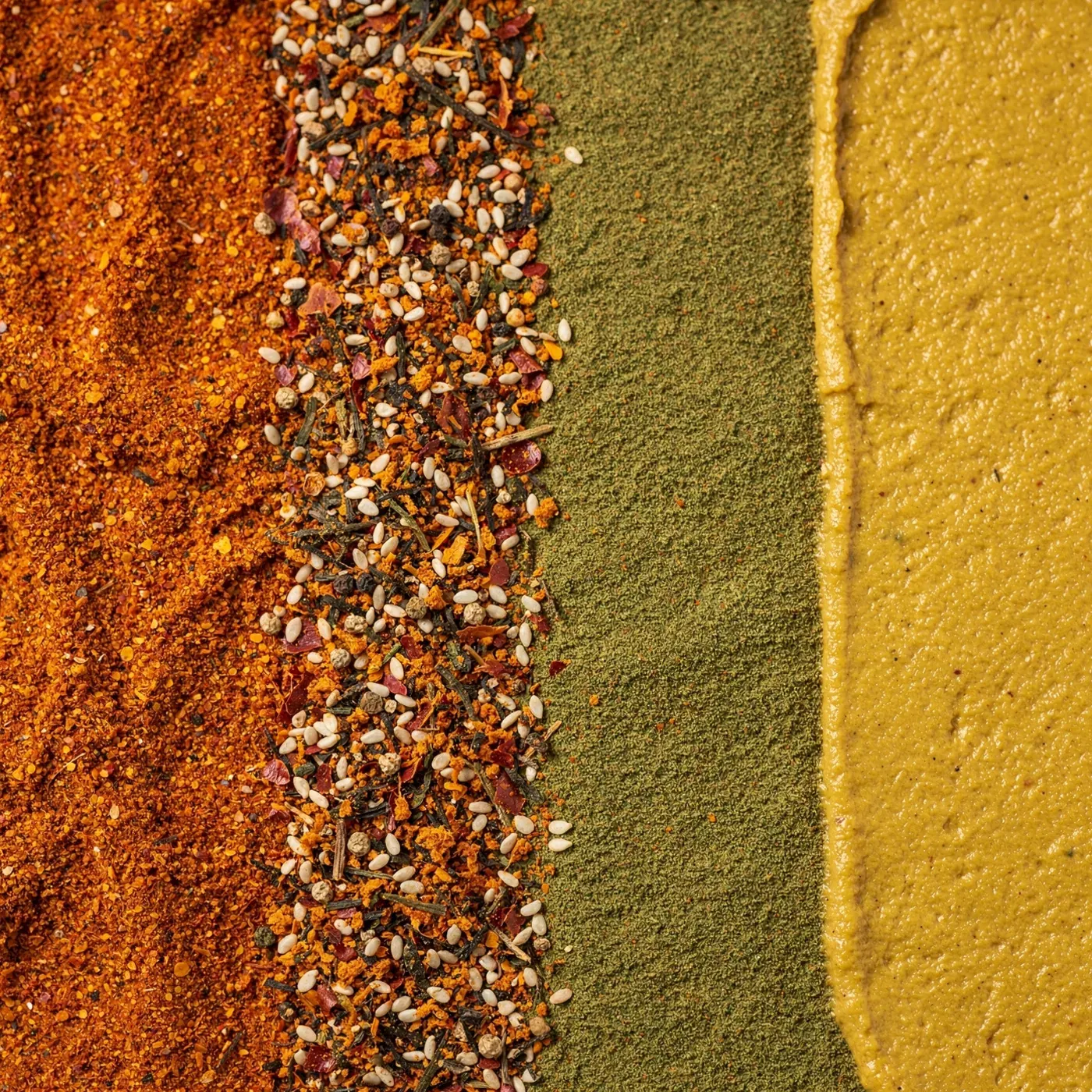
Yakumi, 薬味, is the Japanese word for what is set out beside the food and added by the person eating, and it is as often a dab of paste as a dry spice. The strength is the eater's decision, not the cook's. What makes the family worth looking up is that heat is not one thing: chili burns on the tongue and stays, wasabi and karashi flare up in the nose and are gone in seconds, sansho tingles instead of burning, and yuzu peel gives fragrance with no heat at all. Four sensations under one word.
Origin shichimi togarashi was created as a health remedy by herb dealers in Edo in the 1600s
Sensory analysis
Pyramid and character
Aroma
from the jar
- chili
- citrus peel
- roasted
Taste
on the tongue
- heat
- aroma
- bitterness
Finish
what lingers
- warmth
- tingling
- clean
Background
Facts
- Yakumi
- 薬味 literally means medicine flavor and is the collective word for everything set out beside the food, so ichimi and shichimi from a shaker, wasabi and karashi as paste, sansho as powder, and chopped spring onion or grated ginger on the plate
- The compound
- capsaicin in chili is oil soluble and lingers; allyl isothiocyanate in wasabi and karashi is volatile and rinses away with food or drink; sanshool in sansho tingles and numbs instead of burning
- Togarashi
- chili reached Japan in the 1500s and is called togarashi, written with the characters for China and sharp, in other words Chinese mustard, which is wrong on both counts
- Origin
- shichimi togarashi was created as a health remedy by herb dealers in Edo in the 1600s, not as a cooking spice
- Heat tolerance
- the aroma decides when the spice goes on; wasabi and yuzu kosho cannot take any boiling, while ground chili and sansho can
- Storage
- ground chili and sansho lose their aroma in months, not years, so a small jar that gets emptied beats a large one that sits
Members of the family
Varieties in the family
Sort by
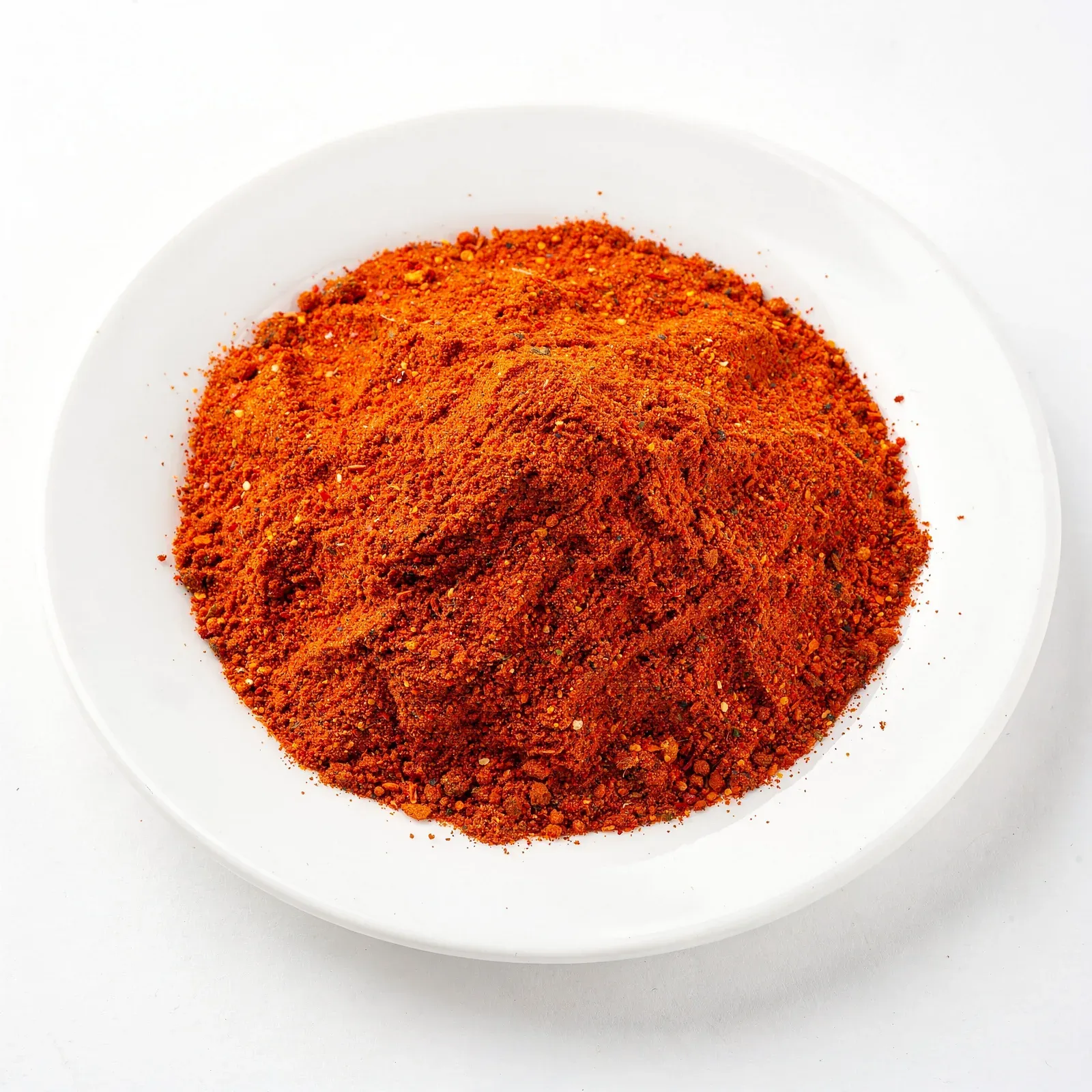 Ichimi togarashiOne flavor, and it is heat.heat 85%Heatdried chili 25%Roastfaint bitterness 15%Bitterness
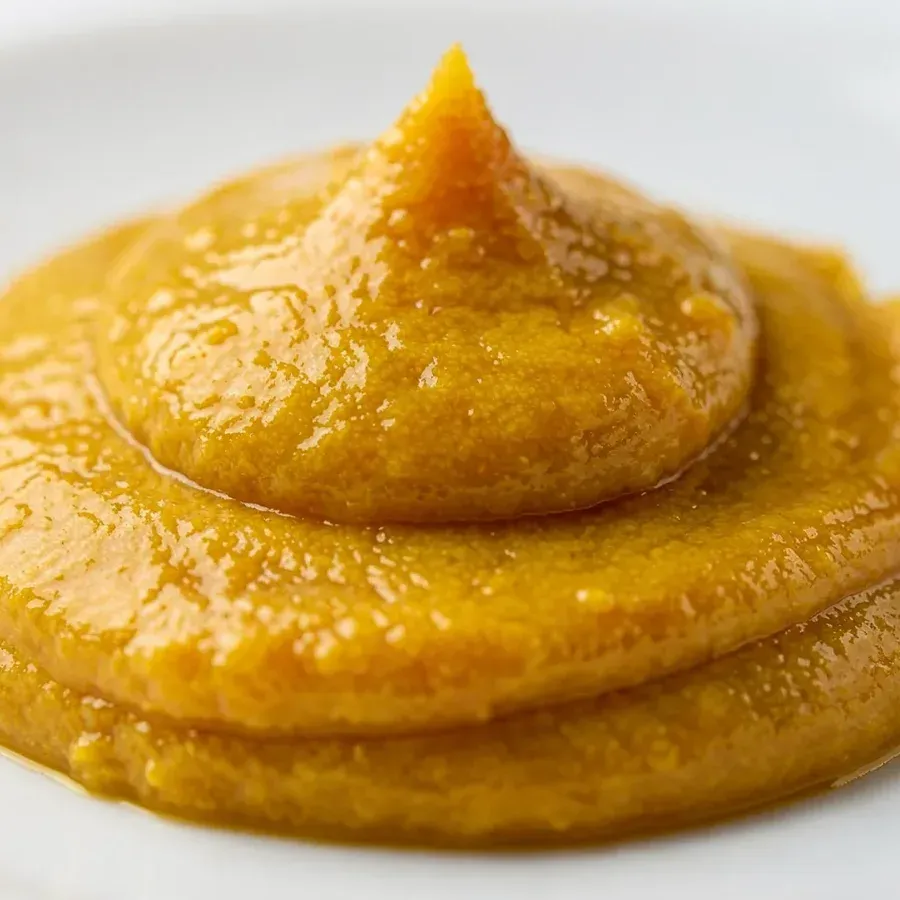 KarashiMustard without vinegar, so nothing but bite.bite 80%Heatbitterness 45%Bitternessmustard note 30%Grass
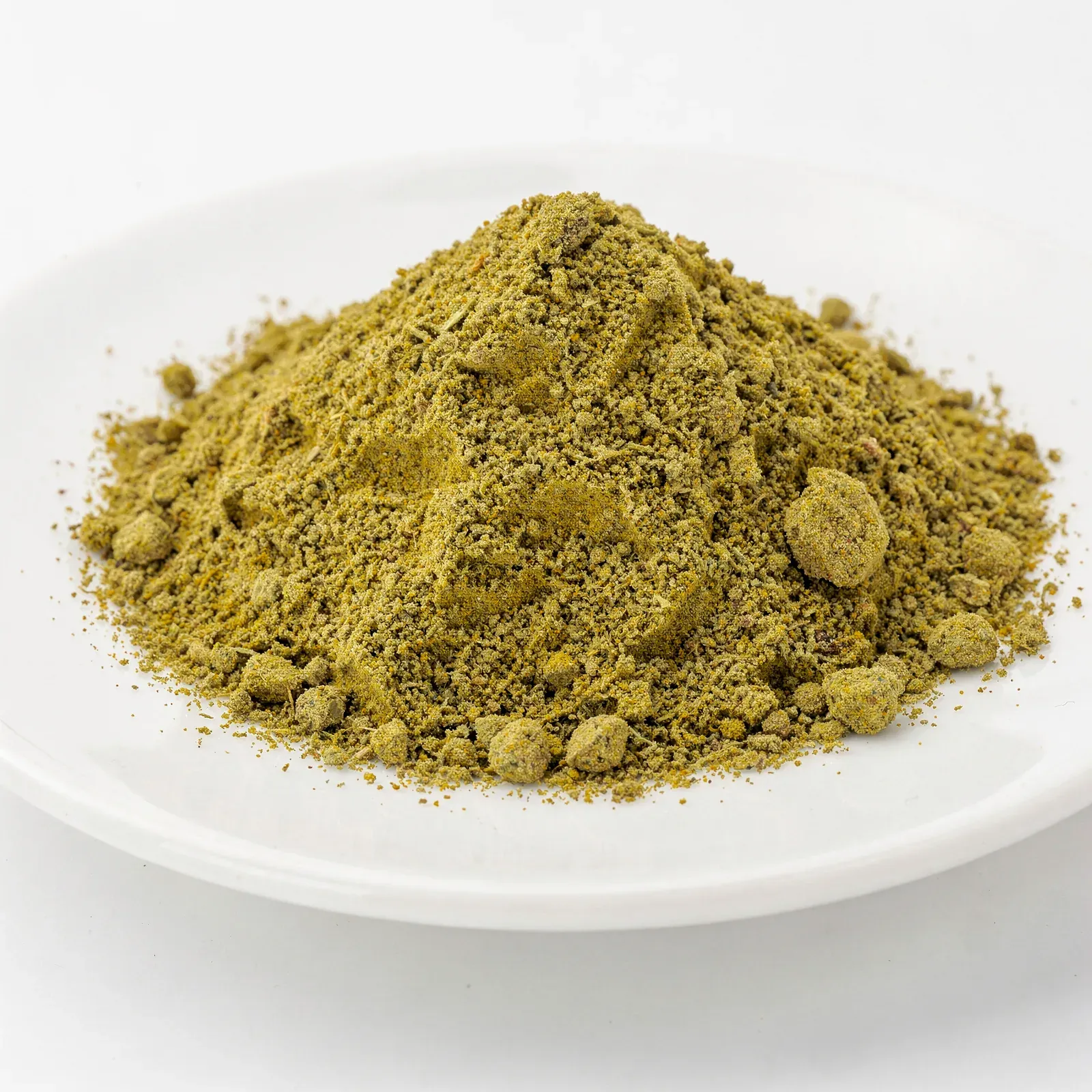 SanshoNumbs instead of burning.tingle 90%Tinglecitrus aroma 55%Citrusfaint heat 30%Heatbitterness 30%Bitterness
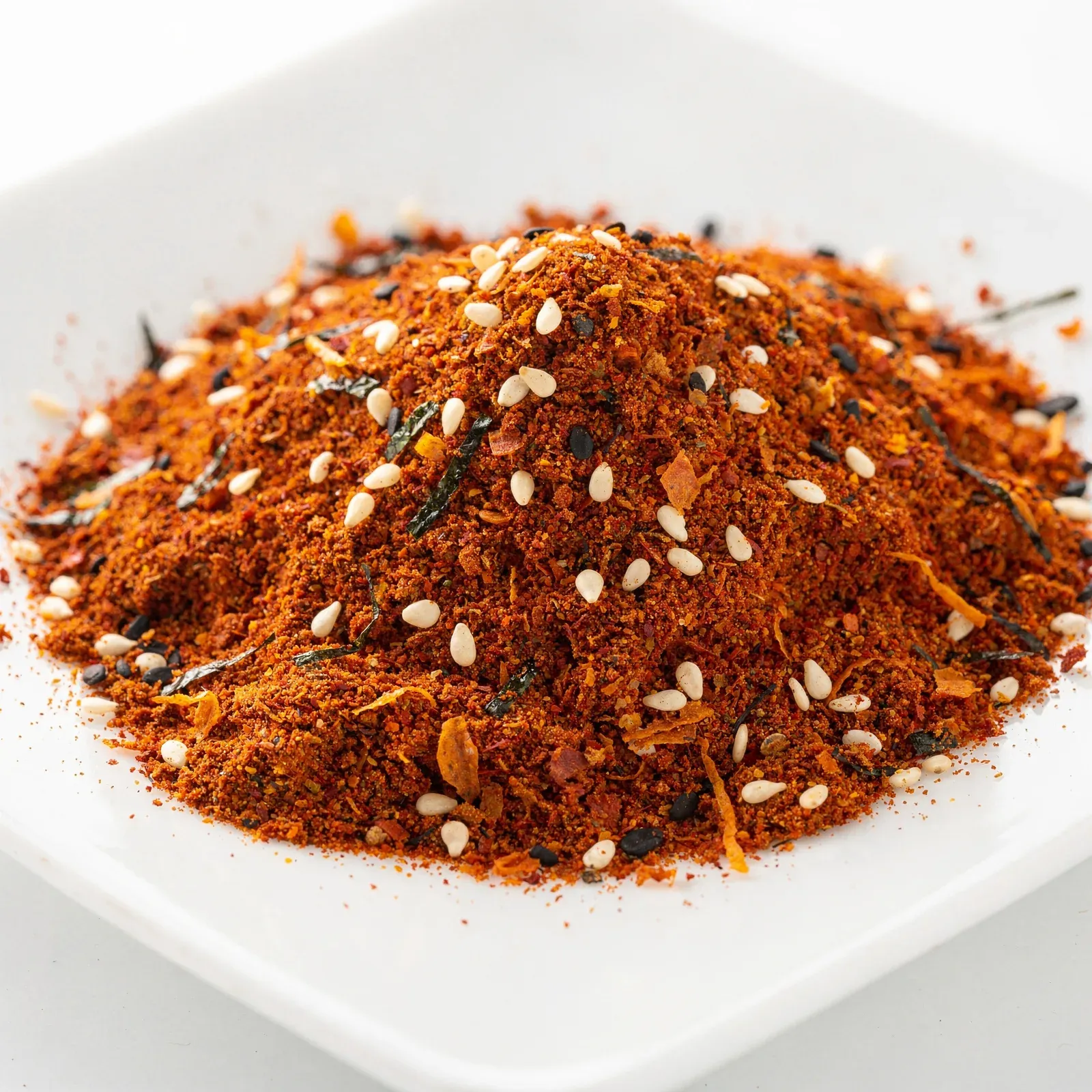 Shichimi togarashiSeven flavors, and chili is only one of them.heat 60%Heattoasted sesame 45%Roastcitrus peel 40%Citrustingle 35%Tingle
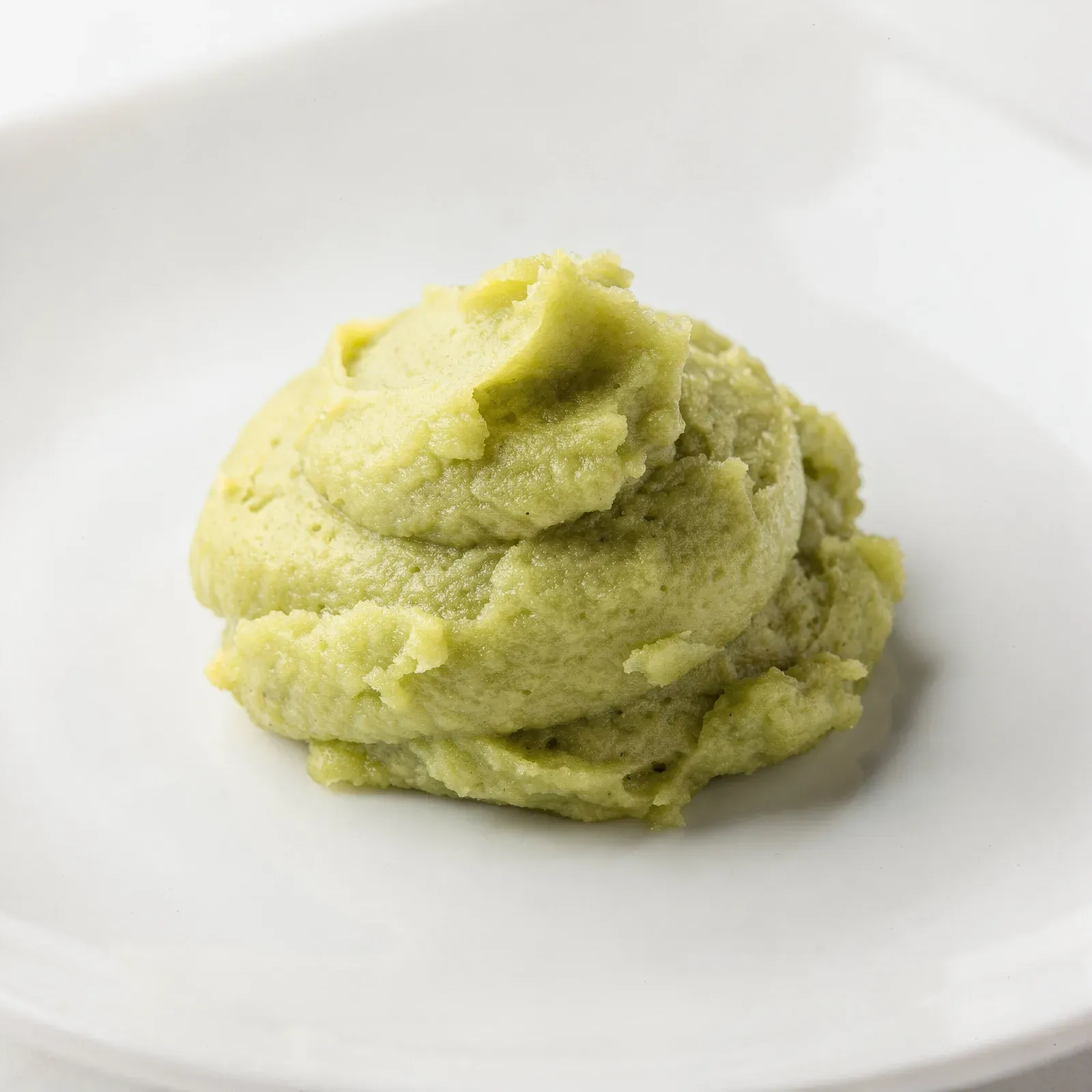 WasabiHeat in the nose, gone just as fast.bite 70%Heatgreen tone 45%Grassbitterness 20%Bitterness
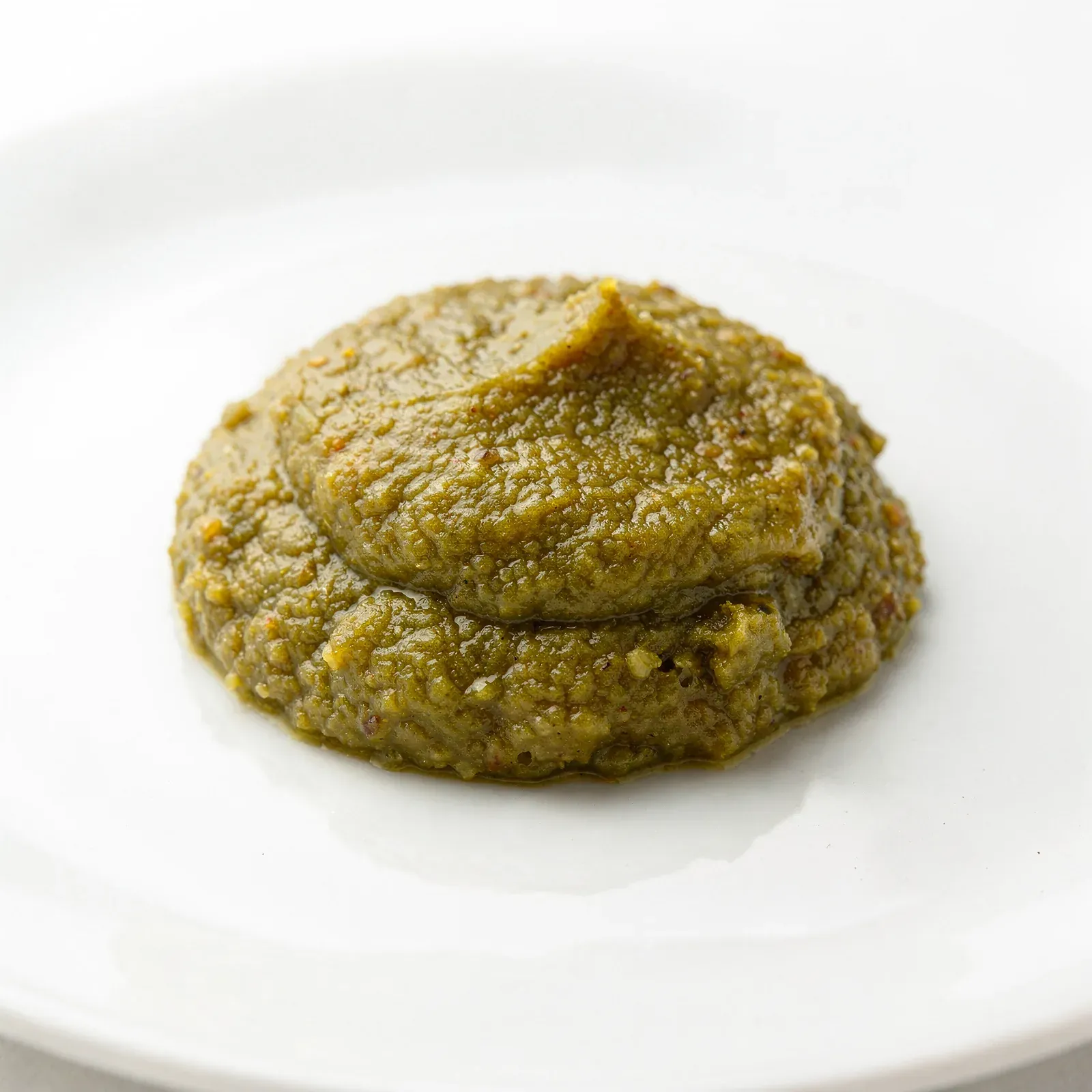 Yuzu koshoCitrus and heat in the same dab.yuzu peel 85%Citrusheat 75%Heatsaltiness 60%Salinityfermented tone 30%Ferment
Evidence
Sources
- Shichimi (Wikipedia) (retrieved 2026-08-12)
- Wasabi (Wikipedia) (retrieved 2026-08-12)
- Zanthoxylum piperitum (Wikipedia) (retrieved 2026-08-12)
Compiled by Basim Ali Yoshiguchi. . .