
- Family
- ふりかけ
Furikake
The sprinkle that turns rice into a meal.
Furikake is a dry sprinkle seasoning built around seaweed, sesame, and salt, made to be scattered over finished food at the last second. It was born not as a pleasure but as nutrition: a pharmacist in Kumamoto ground fish bones into powder to get calcium into the rice bowl at a time when meat and milk were scarce. What remains of that idea is the principle that a pinch of something dry should carry the whole meal, which is why this family is measured in saltiness and crunch rather than in anything that happens in a pot.
Origin developed during the Taisho era as a nutritional supplement
Sensory analysis
Pyramid and character
Aroma
from the jar
- toasted sesame
- dried seaweed
- salt
Taste
on the rice
- saltiness
- umami
- nuttiness
Finish
what lingers
- short
- dry
- salty
Background
Facts
- The name
- from furikakeru, to sprinkle over; the word became the industry standard in 1959 when the Zenkoku Furikake Kyokai was founded and defined what a furikake is
- Origin
- developed during the Taisho era as a nutritional supplement, with ground fish bones as a calcium source at a time when the rice bowl carried too much of the diet
- Contents
- seaweed, sesame, salt, and sugar form the backbone; the variety is decided by what gets added, meaning egg, dried fish, shiso, roe, or chili
- Synergy
- nori contributes glutamate and bonito flakes inosinate, and the two amplify each other, the same mechanism that carries dashi
- Form
- dry furikake is flakes and powder that keep for a long time; soft furikake, nama-furikake, is not fully dried and tastes richer but keeps for a shorter time
- Surface
- the sprinkle clings to warm, fatty, or moist surfaces; on dry, lean food it ends up on the plate instead of in your mouth
- Salt
- nearly every variety is high in salt, and a teaspoon is the intended dose, not a tablespoon
- Storage
- airtight and dark; moisture clumps the sesame and takes the crunch first of all
Members of the family
Varieties in the family
Sort by
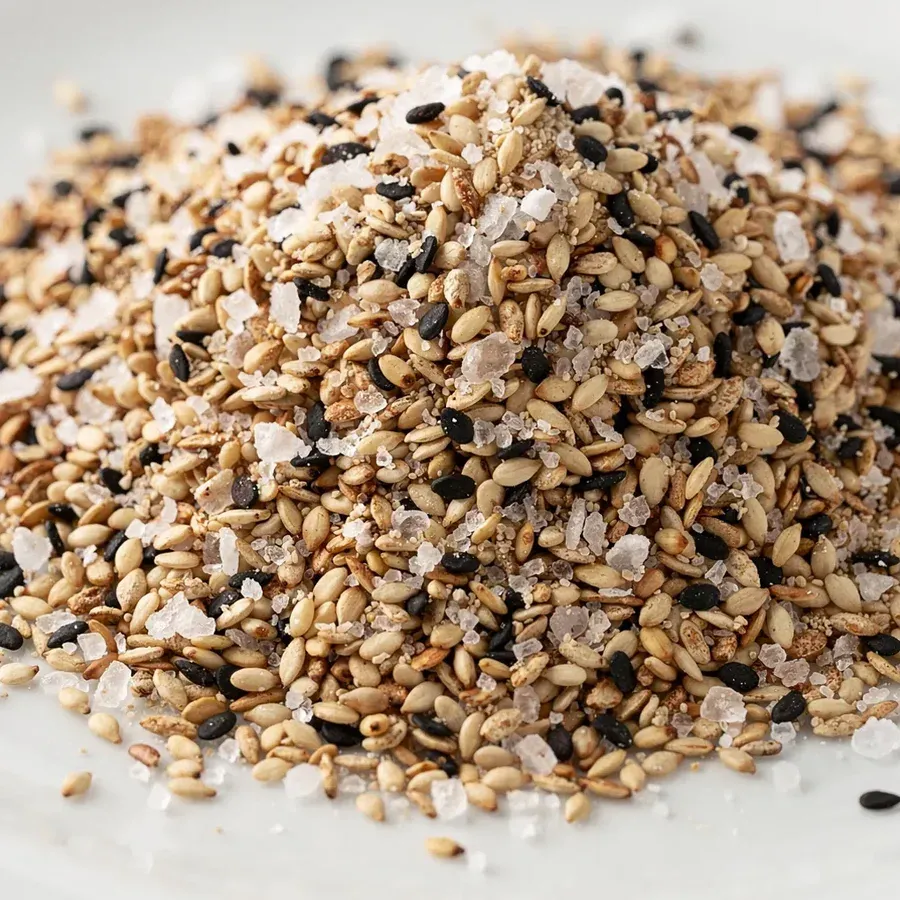 GomashioTwo ingredients, five hundred years.salt 85%Salinitycrunchy sesame 85%Texturetoasted sesame 75%Roastmild umami 25%Umami
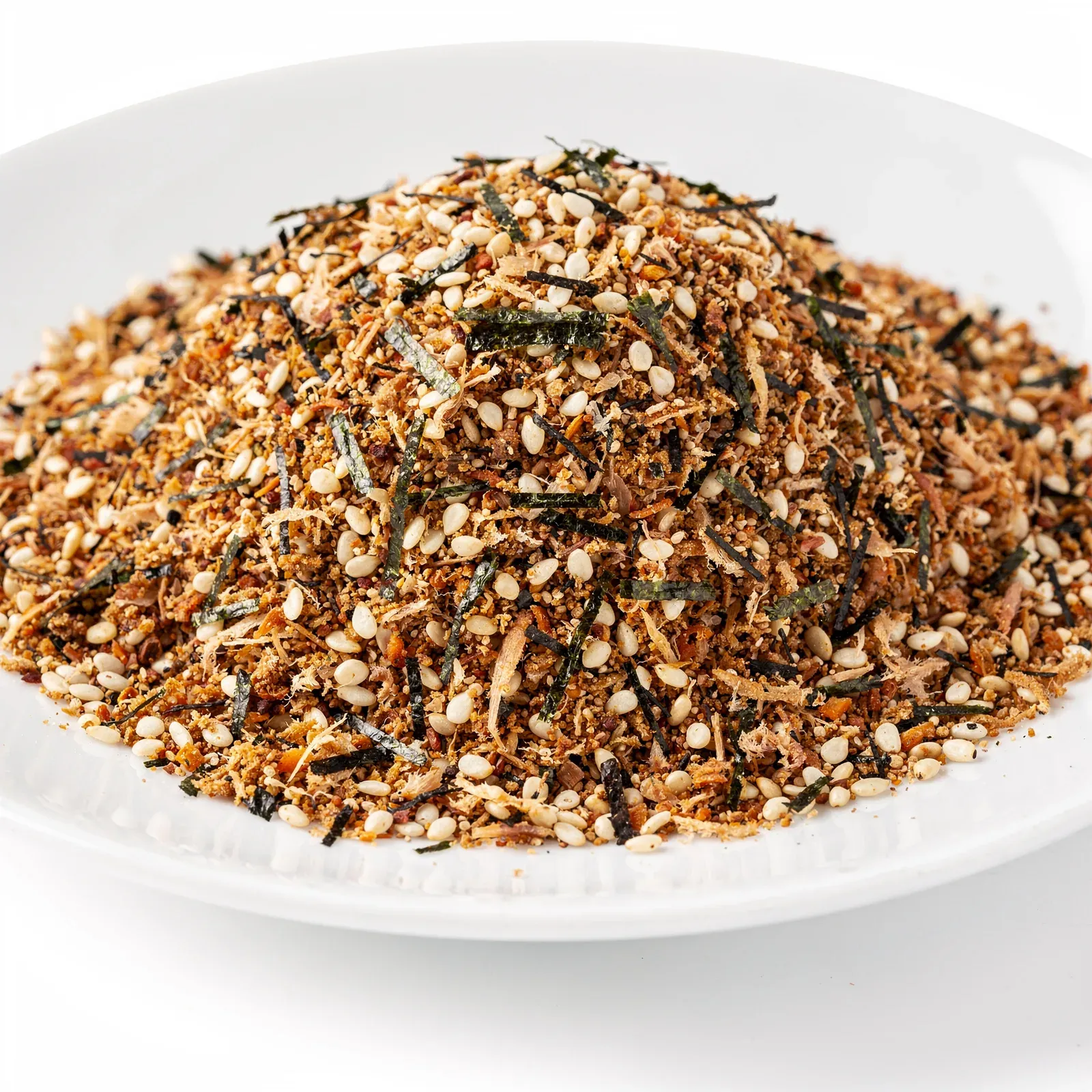 Katsuo-furikakeBonito and nori, umami times two.umami 90%Umamidried fish 70%Umamisaltiness 65%Salinitysmokiness 40%Smoke
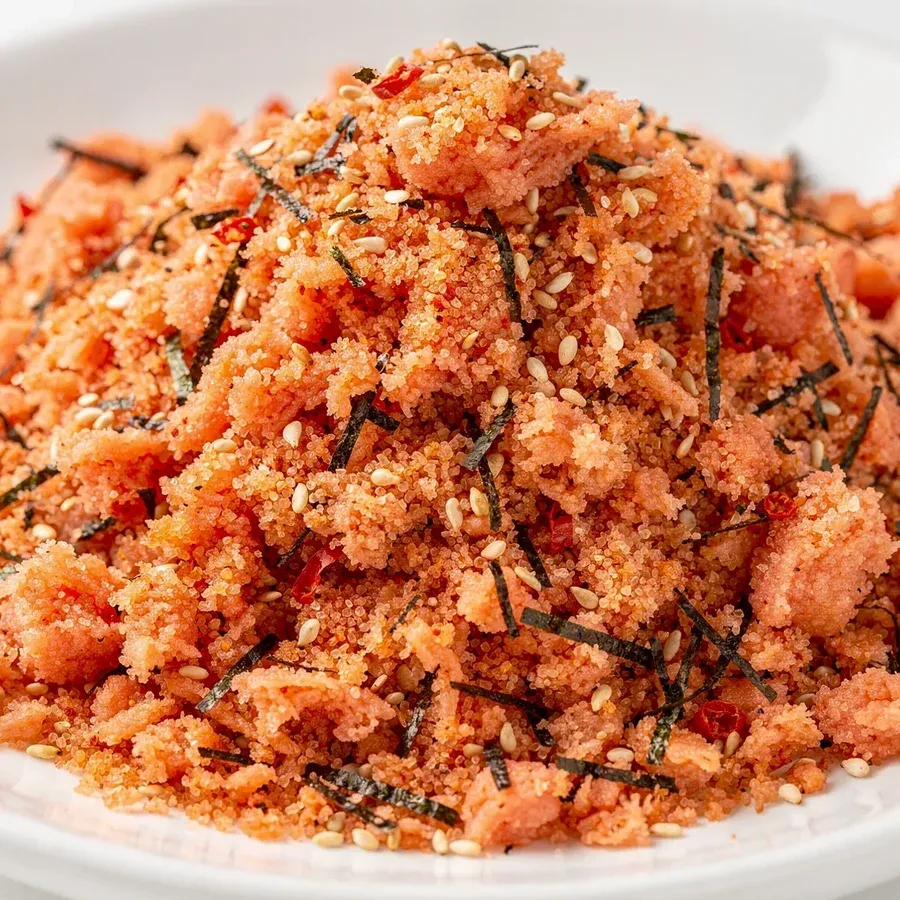 Mentaiko-furikakeFukuoka's roe, dried and hot.umami 80%Umamisaltiness 70%Salinitychili heat 55%Heatocean 45%Ocean
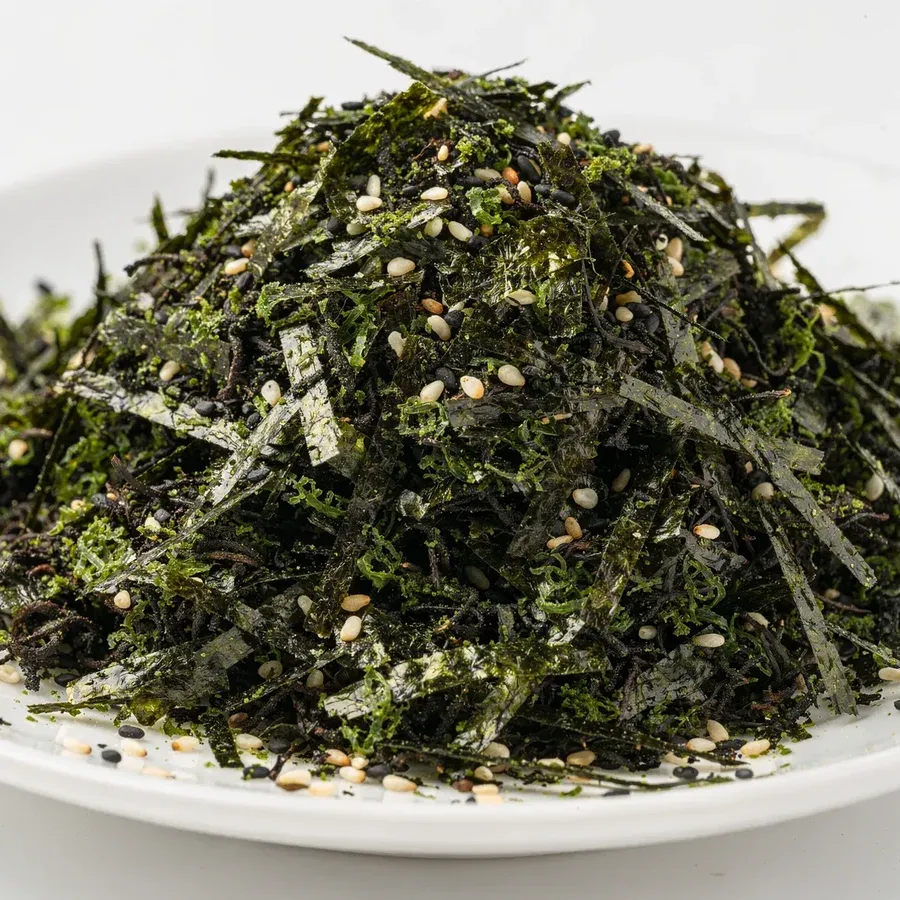 Nori komiThe base variety, the one that pulls in no direction.umami 75%Umamitoasted nori 60%Roastocean 60%Oceansaltiness 60%Salinity
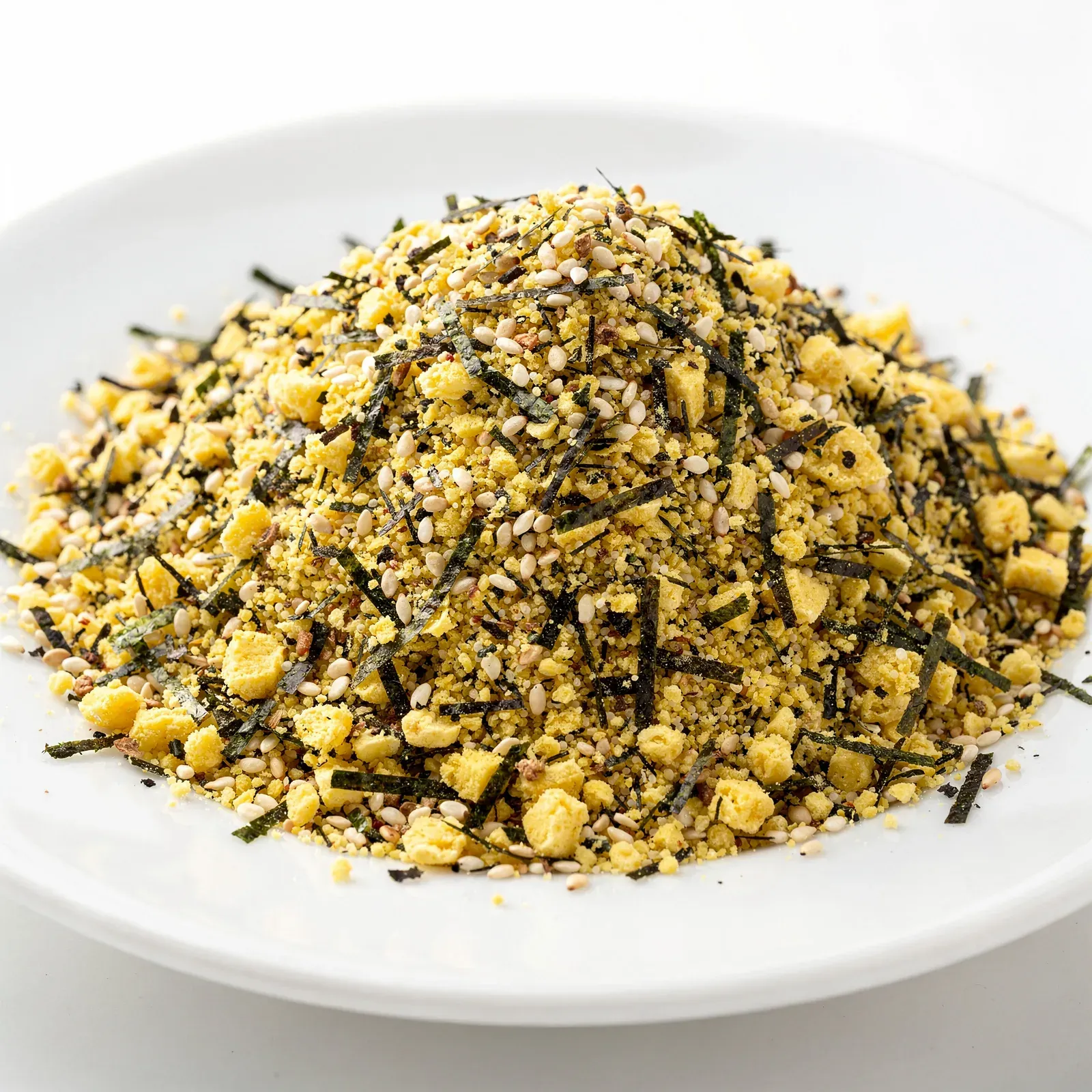 NoritamaThe egg that made furikake everyday food.umami 70%Umamisweetness 55%Sweetnesssaltiness 55%Salinityegg flakes 50%Texture
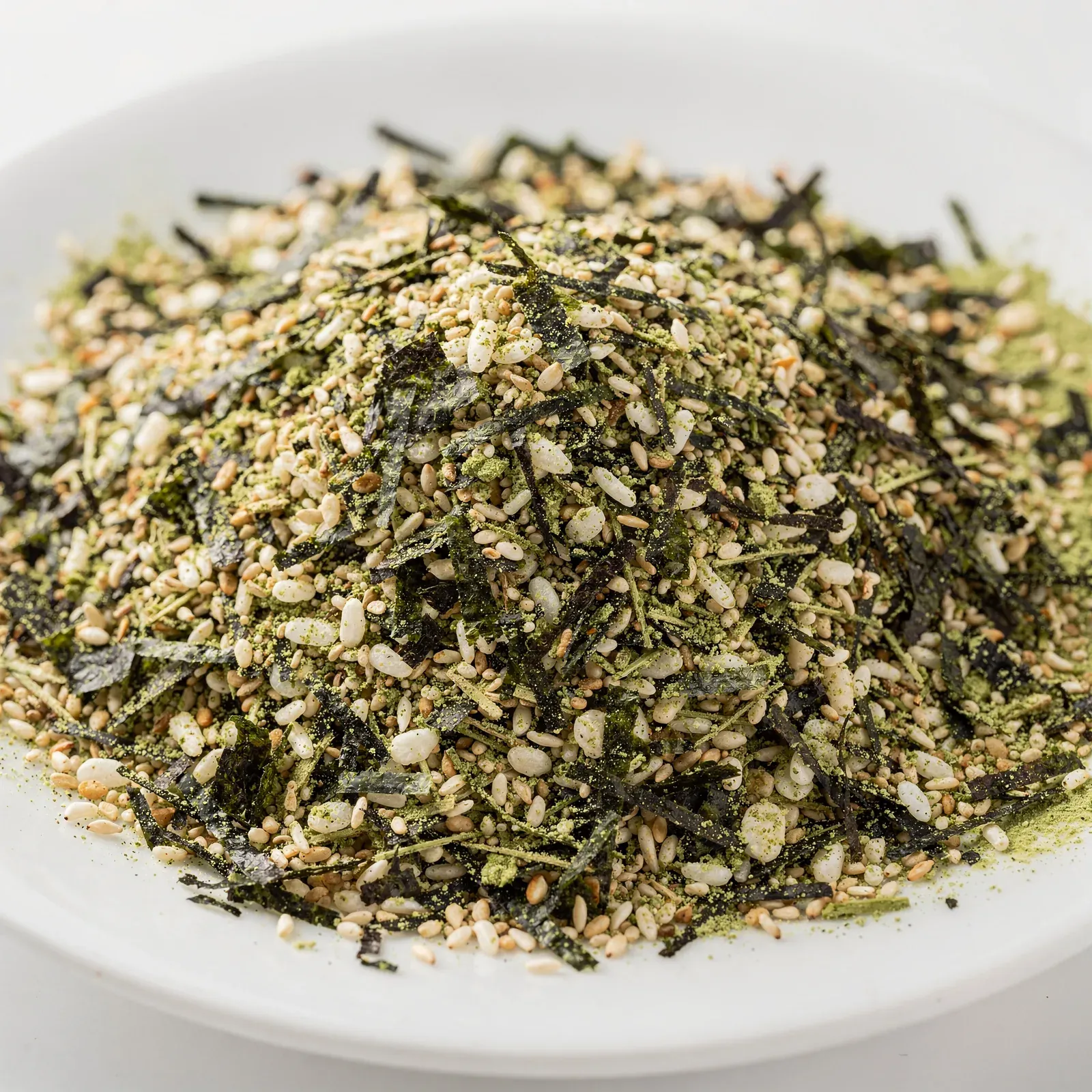 Wasabi-furikakeHeat in the nose, gone in two seconds.wasabi heat 60%Heatumami 55%Umamisaltiness 55%Salinityocean 40%Ocean
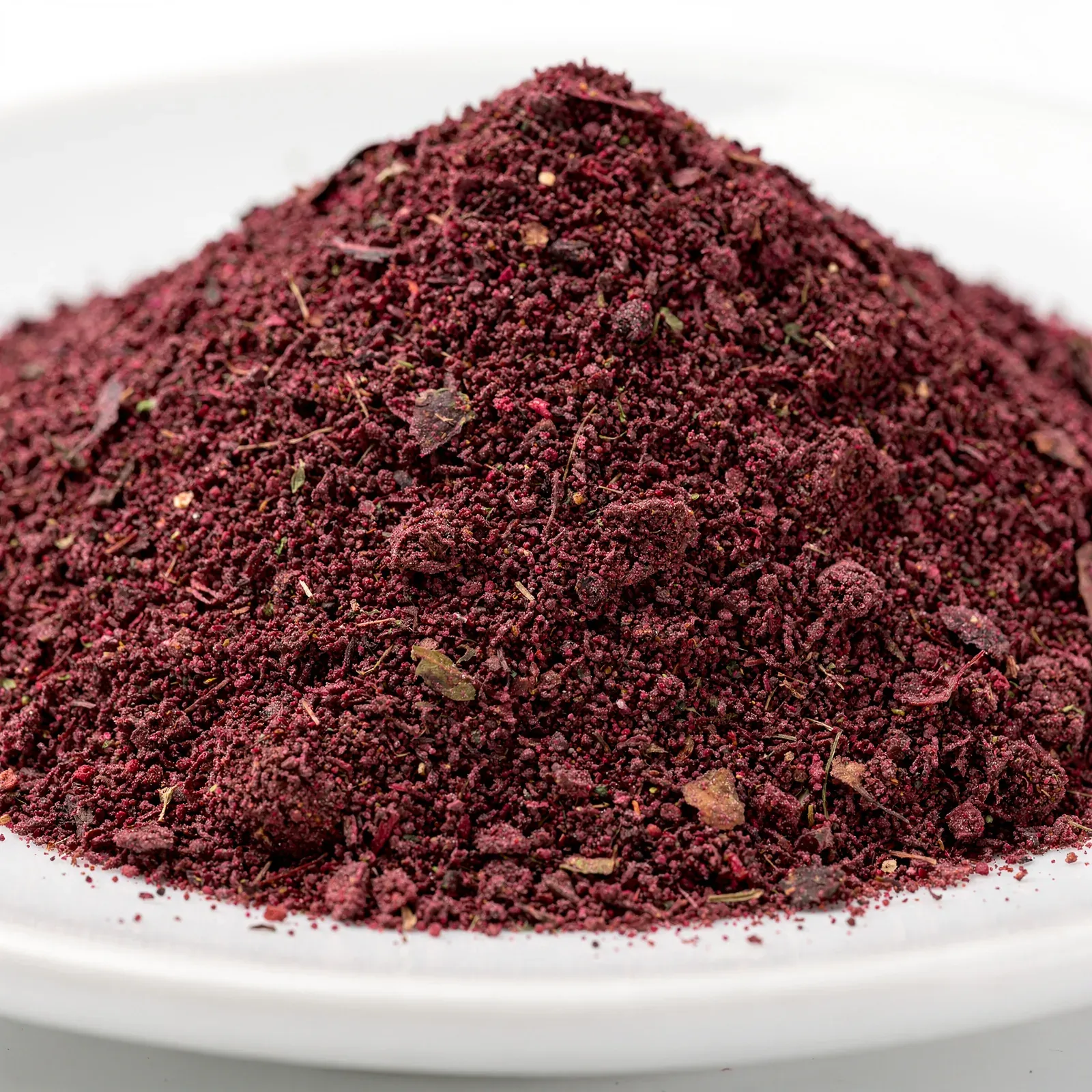 YukariRed shiso, the acidity in the family.salt 80%Salinityacidity 70%Acidityshiso 60%Grassmild umami 35%Umami
Keep exploring
Related in the Zukan
- Seaweed and kelpFamily
- NoriSea vegetable
- AonoriSea vegetable
- AosaSea vegetable
- UmamiConcept
- Umami synergyConcept
- KatsuobushiDashi ingredient
- Spices and yakumiFamily
- Shichimi togarashiSpice
Evidence
Sources
- Furikake (Wikipedia) (retrieved 2026-08-12)
- ふりかけ (japanska Wikipedia) (retrieved 2026-08-12)
- Furikake: history, recommended products, recipes (Food in Japan) (retrieved 2026-08-12)
- Nekko Journal: Vad är furikake (retrieved 2026-08-12)
Compiled by Basim Ali Yoshiguchi. .