
- Concept
- 出汁
Dashi
The broth that sits under almost everything.
Dashi is the collective name for the Japanese broths that form the flavor base of the cuisine. Unlike Western stocks, which simmer for hours on bones and root vegetables, dashi is about quickly and gently drawing umami out of dried ingredients. A classic batch takes ten to twenty minutes and is built on two or three ingredients.
Background
Facts
- Base ingredients
- kombu (brown kelp rich in glutamate) and katsuobushi (shaved dried bonito, rich in inosinate)
- Synergy
- glutamate and inosinate reinforce each other, so the whole tastes like more than the sum of its parts
- Kombu dashi
- nothing but kombu and water; vegetarian, mild, and lightly sweet
- Awase dashi
- kombu plus katsuobushi, the classic all-purpose broth
- Niboshi dashi
- dried small fish, usually sardines; stronger and more robust
- Connection
- it was from kombu dashi that glutamate was first isolated and umami got its name
Connected here
Entries built on the concept
 AonoriSprinkles from the sea.ocean 85%Oceanumami 75%Umamifresh 55%Grassgrassy 45%Grass
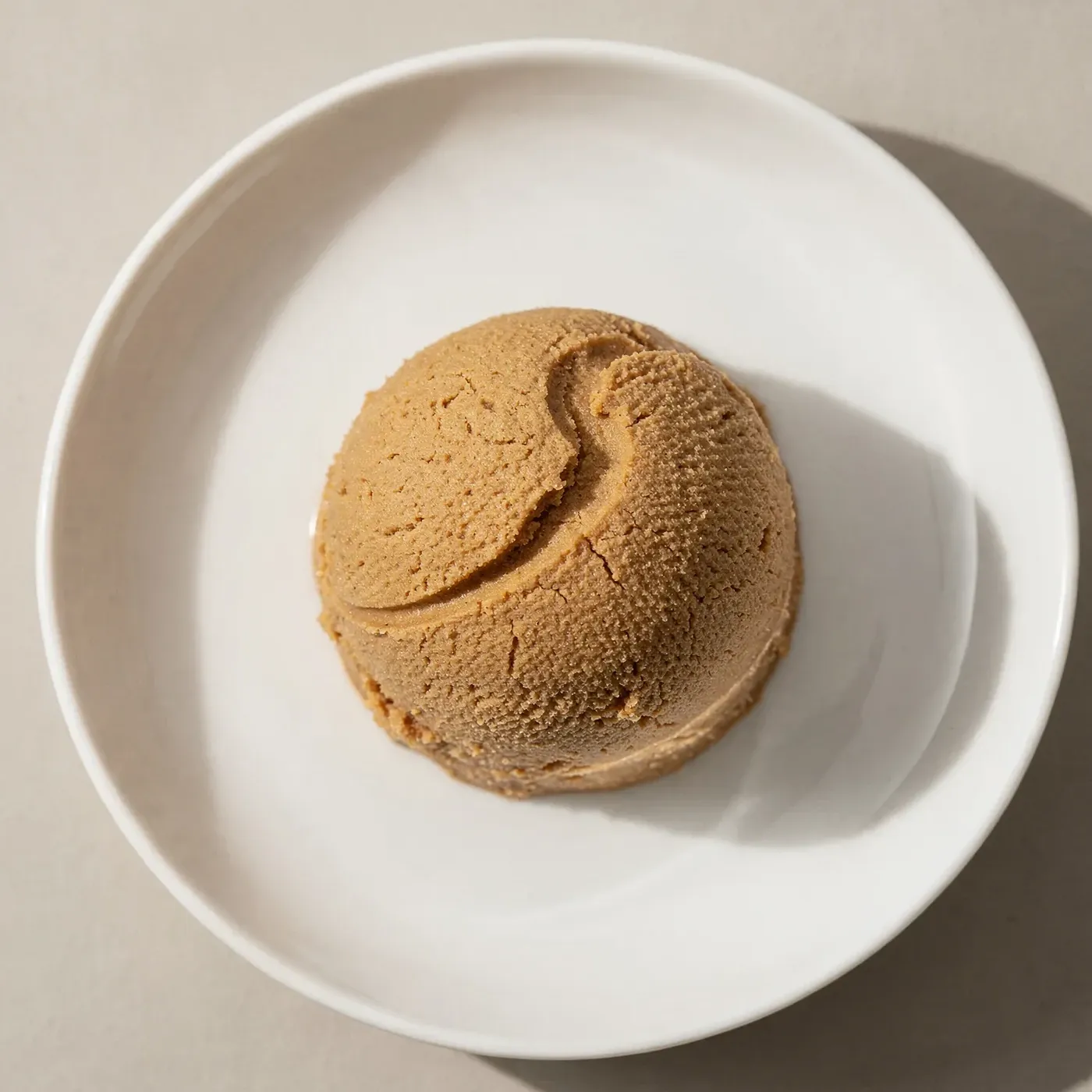 Awase-misoThe everyday household miso.umami 70%Umamibalanced saltiness 55%Salinityfermentation tone 55%Fermentround sweetness 50%Sweetness
 Dashi ingredientsDried, and flavorful for exactly that reason.
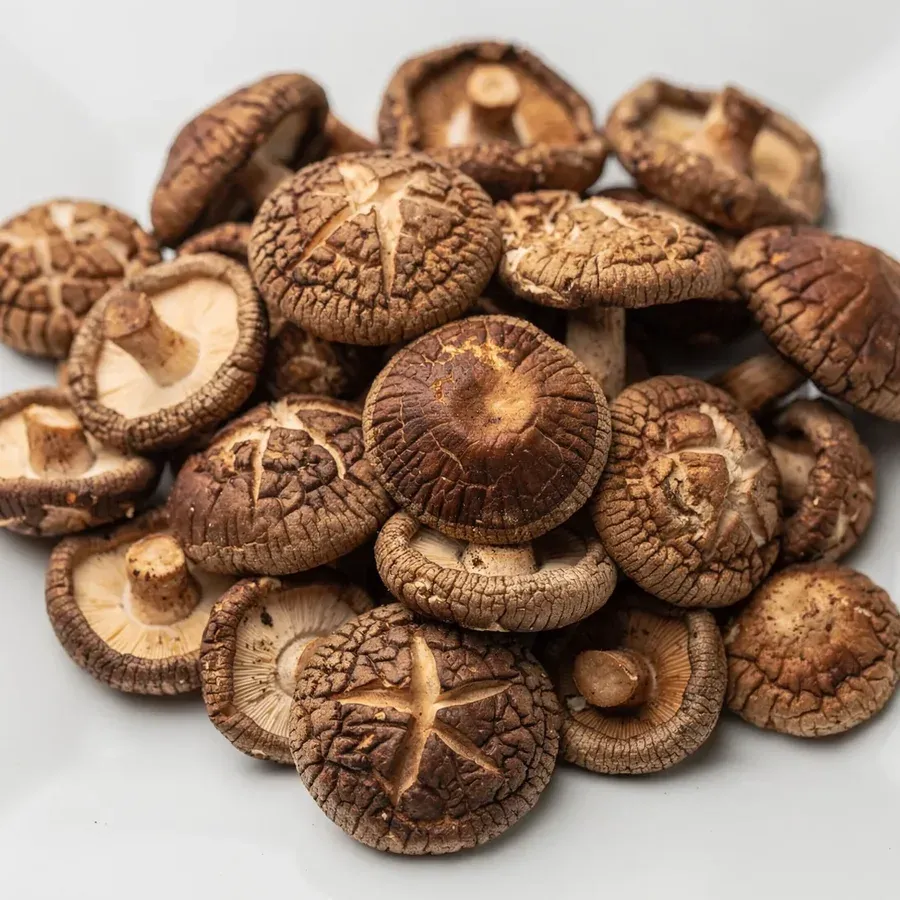 Hoshi-shiitakeThe third umami, drawn from the soaking water.deep umami 80%Umamimushroominess 60%Fermentearthiness 55%Mineralround sweetness 45%Sweetness
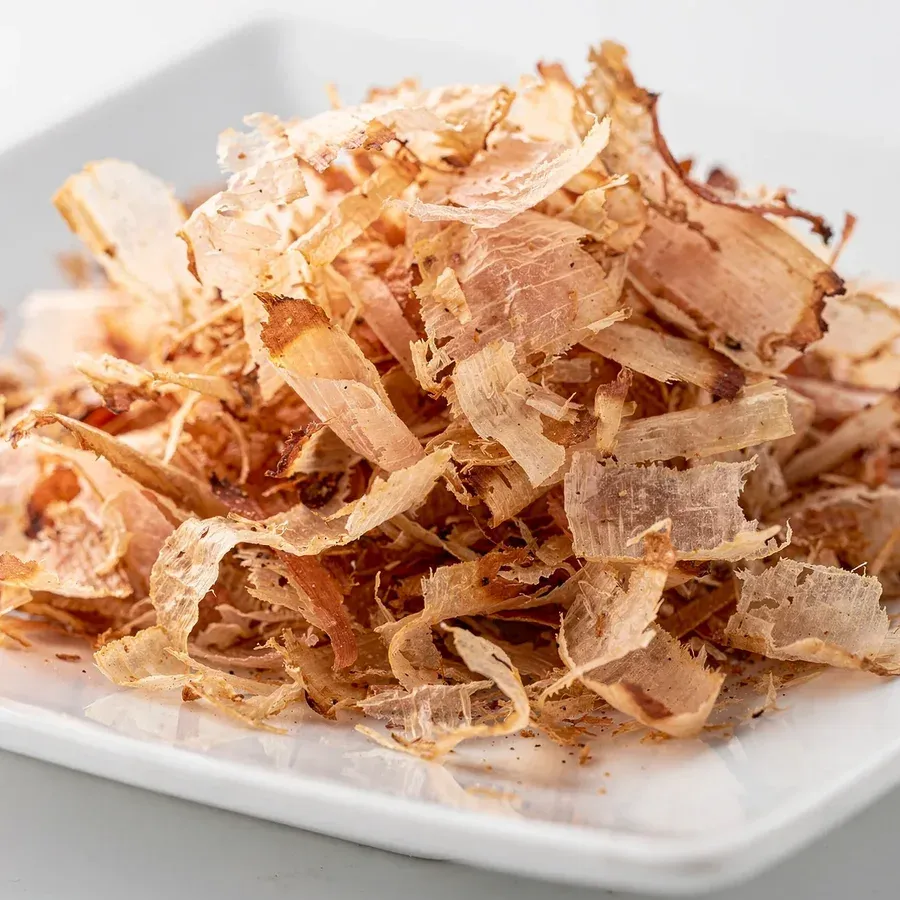 KatsuobushiShaved smoke, the other half of the broth.umami 90%Umamismokiness 85%Smokedried fish 60%Umamimild saltiness 35%Salinity
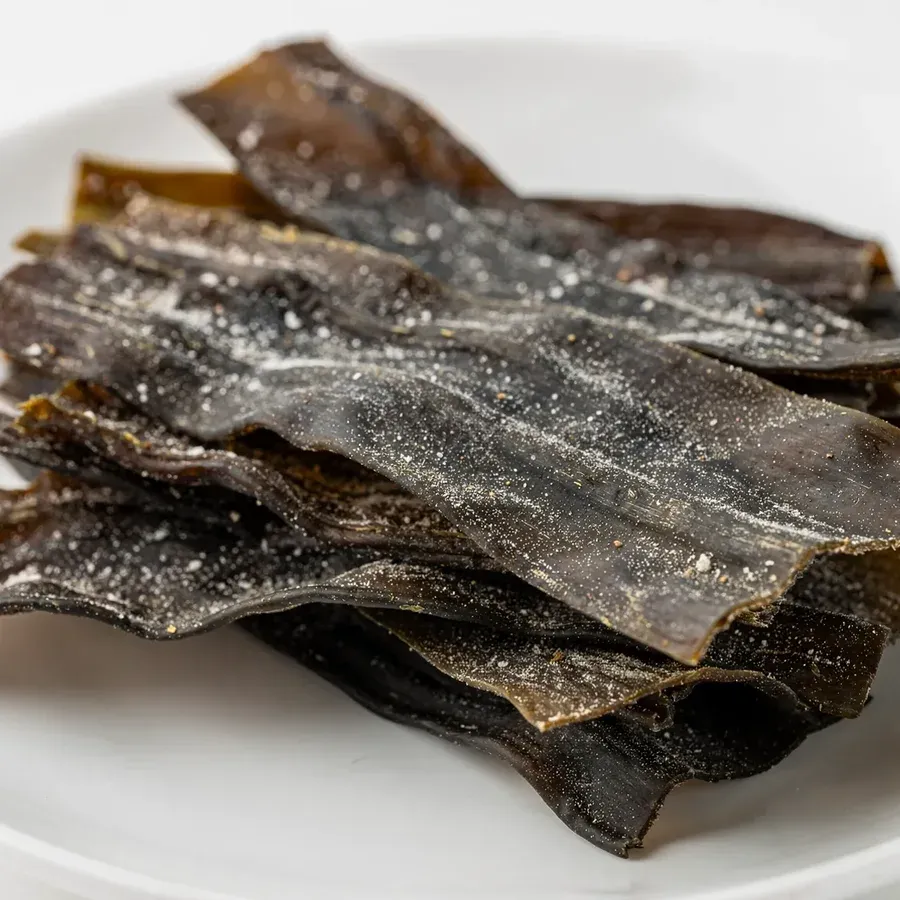 KombuThe foundation of the broth, never boiled.umami 95%Umamibroth 80%Umamiocean 70%Oceansaltiness 55%Salinity
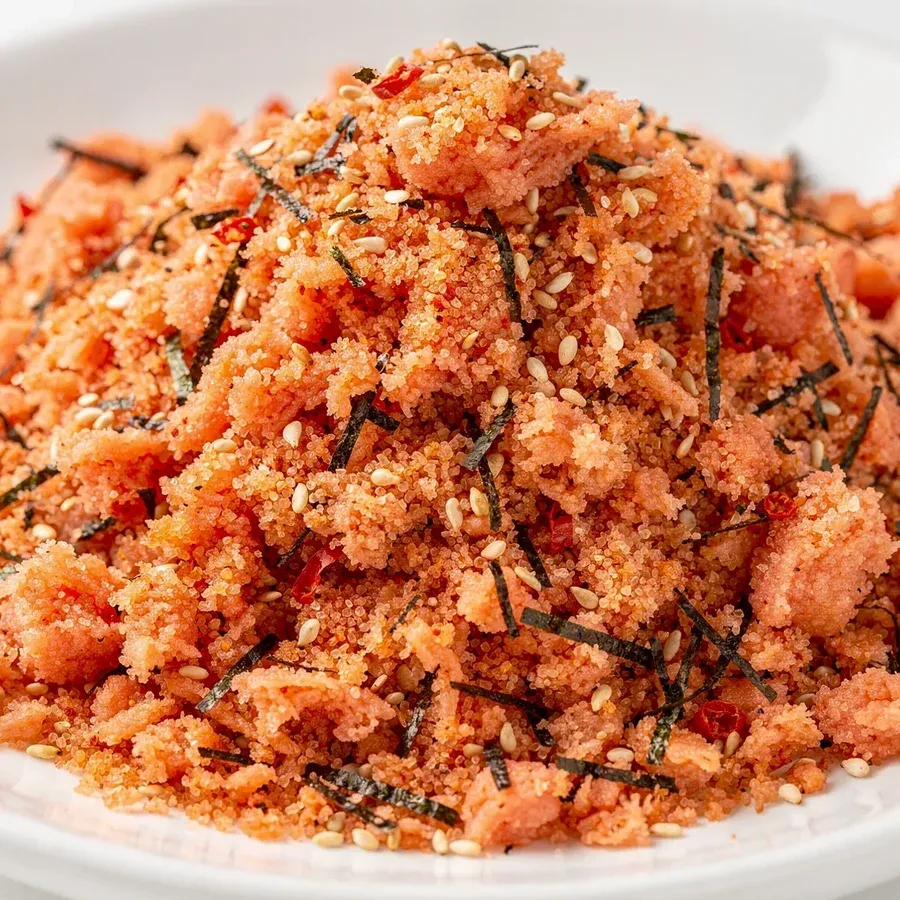 Mentaiko-furikakeFukuoka's roe, dried and hot.umami 80%Umamisaltiness 70%Salinitychili heat 55%Heatocean 45%Ocean
 MisoSoybeans, salt and time.
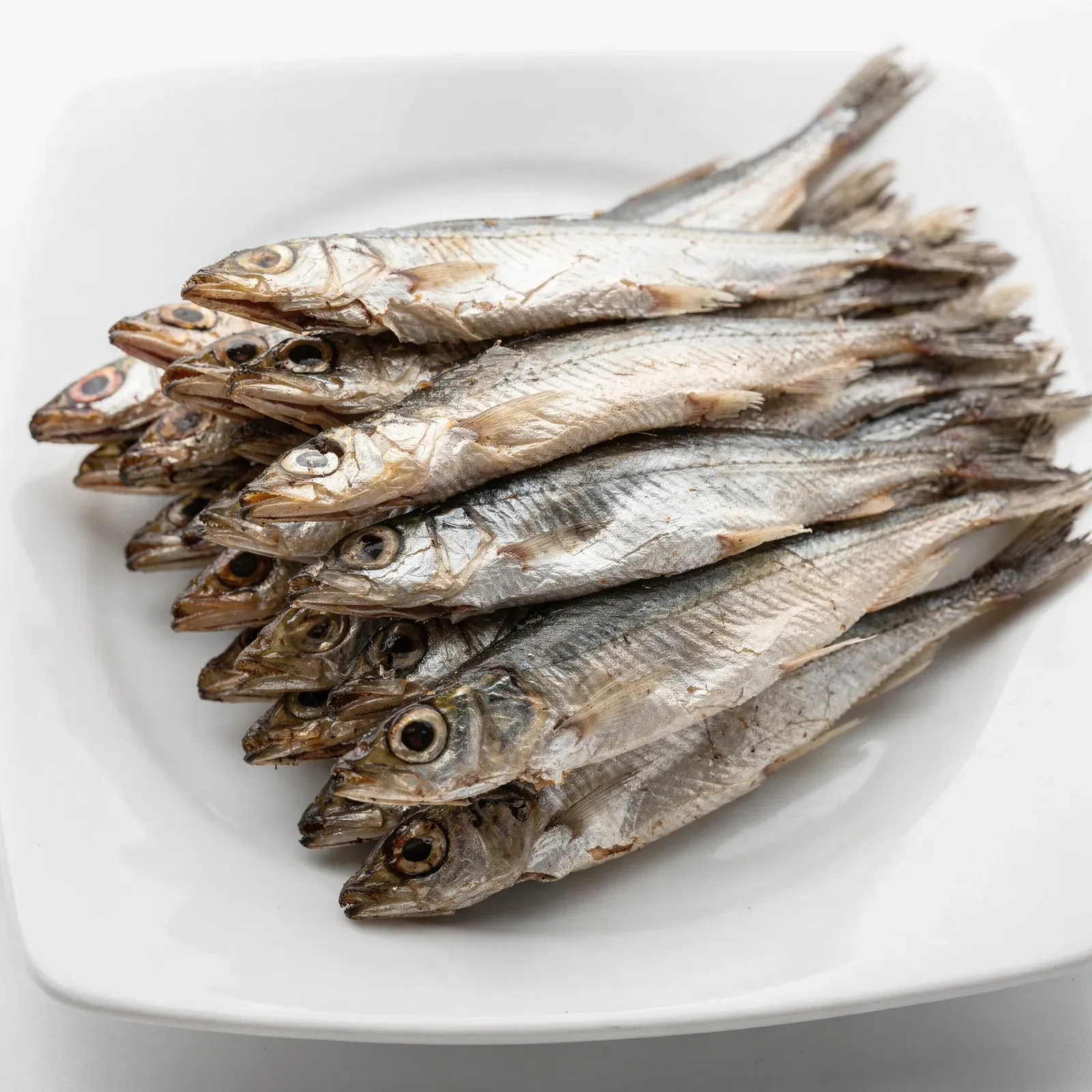 NiboshiPower over finesse, and pull off the heads.powerful umami 75%Umamifishiness 65%Oceansaltiness 50%Salinitybitter edge 40%Bitterness
 Seaweed and kelpUmami grown in the sea.
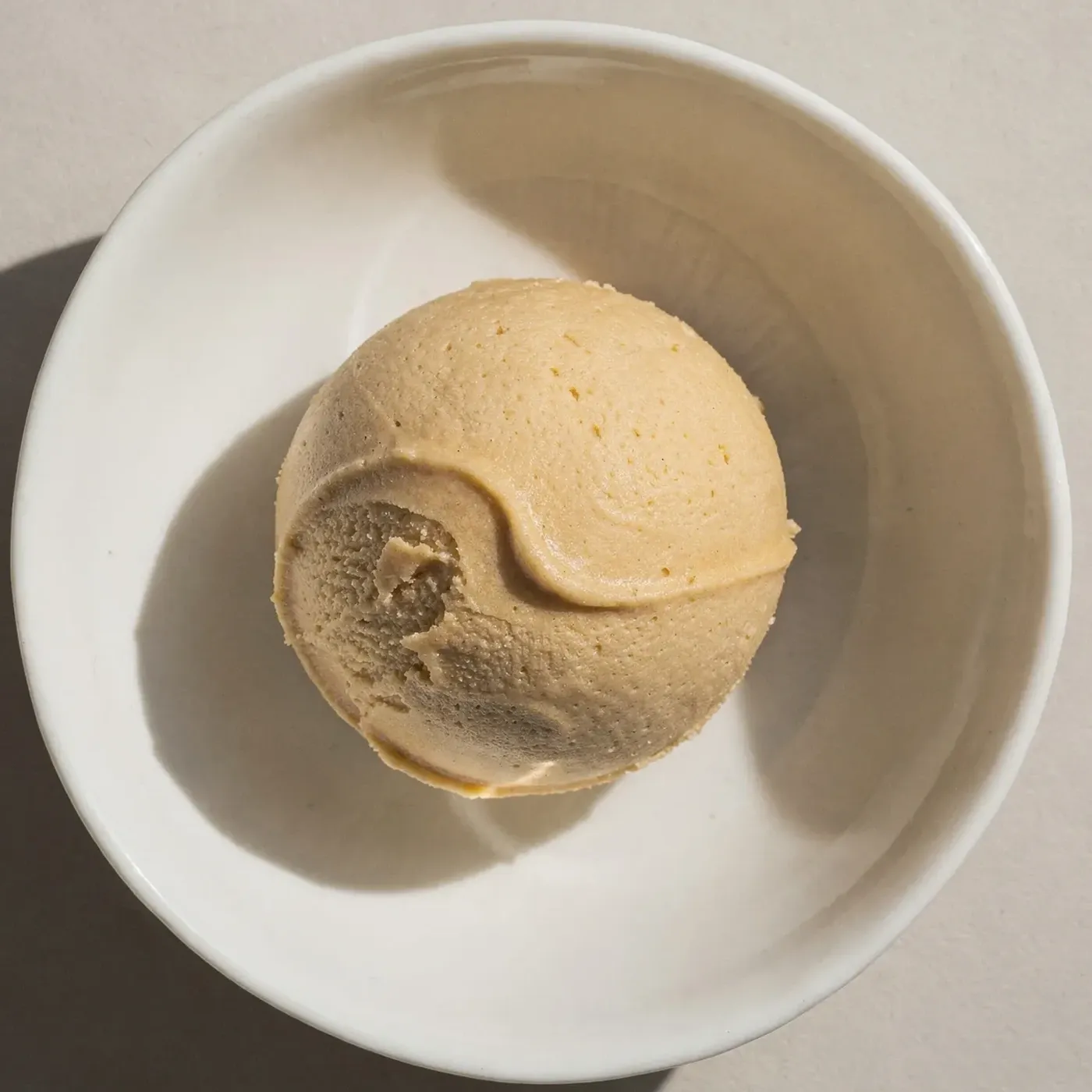 Shiro-misoThe young, sweet miso to start with.sweetness 75%Sweetnesssmooth umami 55%Umamimild saltiness 40%Salinityrice character 35%Texture
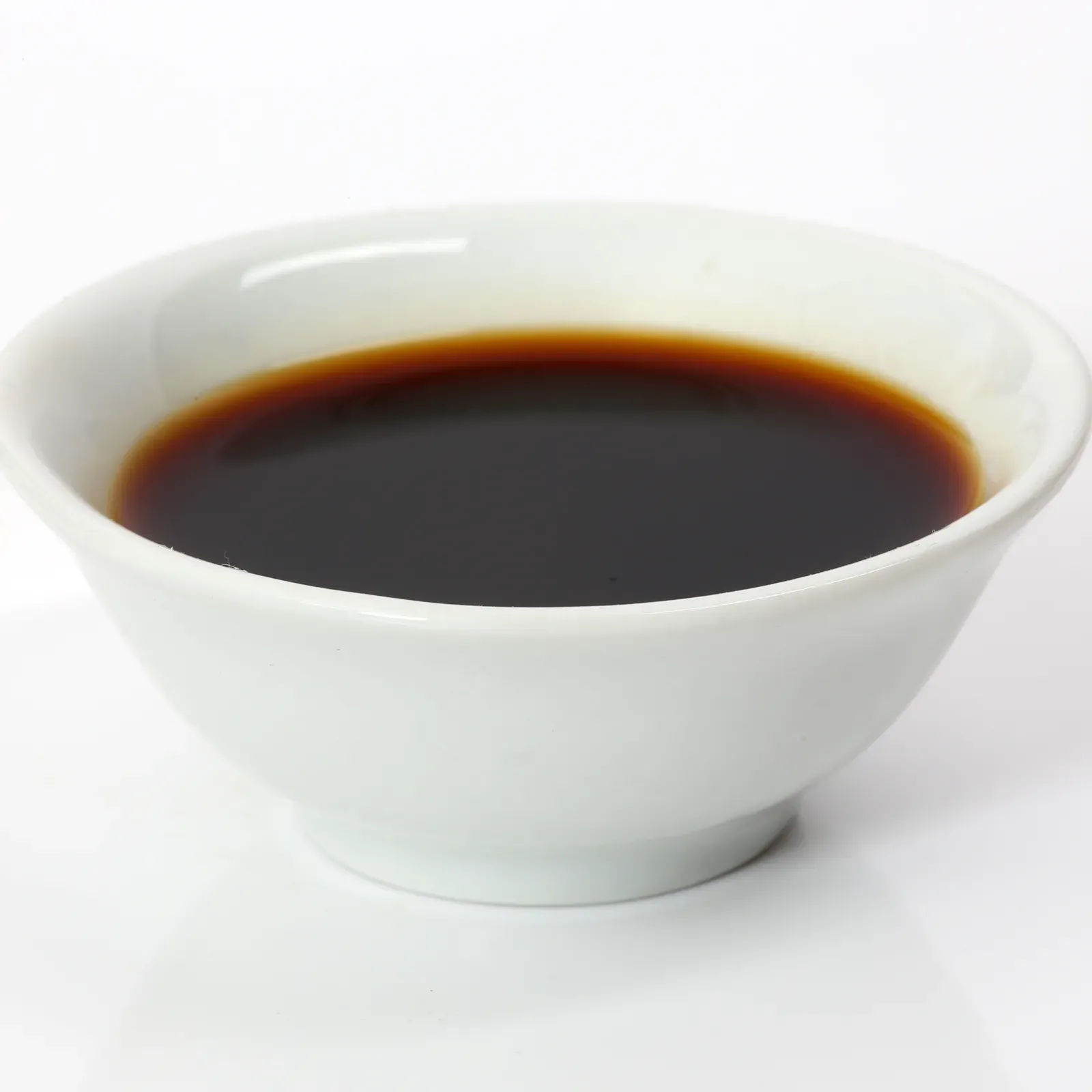 Soy sauceFive types, a brewery in every bottle.
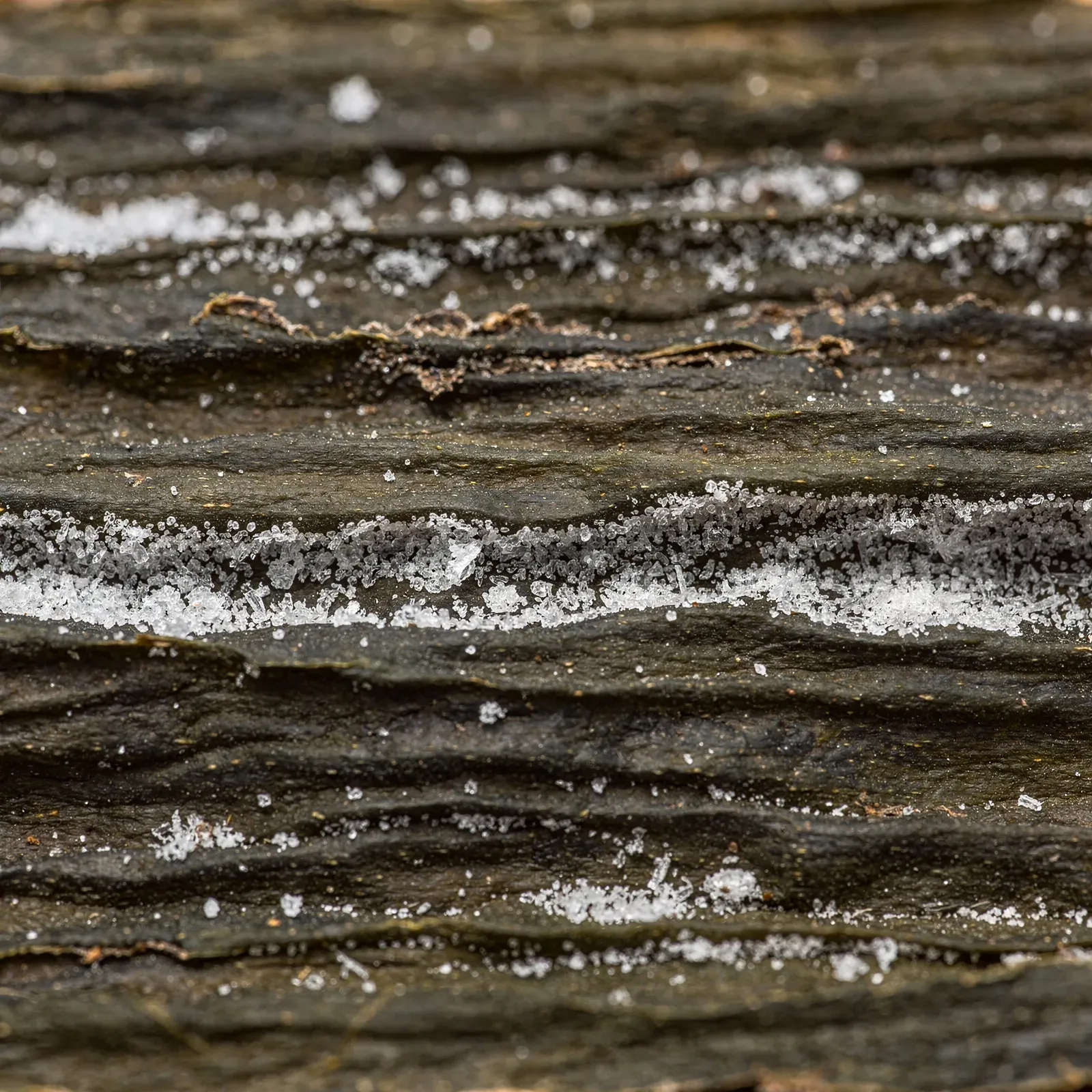 UmamiThe fifth basic taste, and the reason Japanese food satisfies.
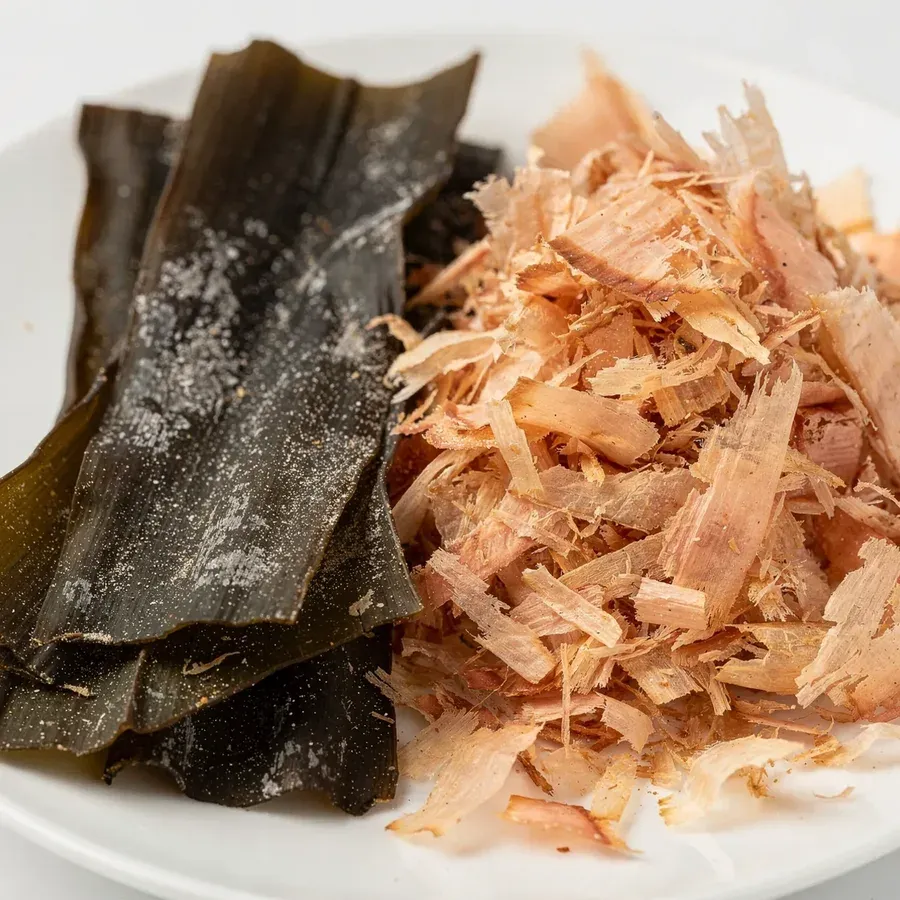 Umami synergyOne plus one makes eight.
Keep exploring
Related in the Zukan
- UmamiConcept
- Umami synergyConcept
- Dashi ingredientsFamily
- KombuSea vegetable
- KatsuobushiDashi ingredient
- NiboshiDashi ingredient
- Hoshi-shiitakeDashi ingredient
- MisoFamily
- Seaweed and kelpFamily
- Shiro-misoMiso type
- Awase-misoMiso type
- Mentaiko-furikakeFurikake variety
- Soy sauceFamily
Evidence
Sources
- Nekko Journal: Dashi, den japanska buljongen (retrieved 2026-08-08)
- Dashi (Wikipedia) (retrieved 2026-08-08)
Compiled by Basim Ali Yoshiguchi. .